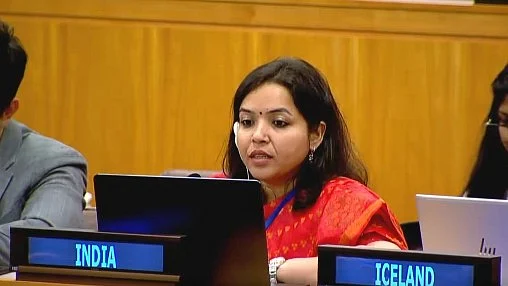
India’s higher judiciary continues to face a severe shortage of diversity, with data presented in the Rajya Sabha revealing that Scheduled Caste, Scheduled Tribe and OBC communities remain drastically underrepresented in High Court appointments, while women account for just three percent of sitting Supreme Court judges. The figures were shared by Minister of State for Law and Justice Arjun Ram Meghwal in a written reply on March 12 in response to questions raised by Rajya Sabha MP Dr. John Brittas.
How Bad Is the Representation Gap?
Of the 849 judges appointed to High Courts since 2018 until March 6, 2026, only 33 belong to the Scheduled Caste community, representing 3.89 percent of total appointments. Just 17 judges, or 2 percent, belong to Scheduled Tribes, and 104, or 12.25 percent, come from Other Backward Classes.
The situation for women is equally alarming. Only one of the 33 sitting judges in the Supreme Court is a woman, amounting to just 3 percent. In the High Courts, 114 out of 810 sitting judges are women, which works out to 14.1 percent.
312 Vacancies Choking the Justice System
Beyond diversity, the data also lays bare a serious vacancy crisis. Against a sanctioned strength of 1,122 judges across all High Courts in the country, only 810 are currently working, leaving 312 posts unfilled. Of these vacancies, 132 proposals for appointment are at various stages of processing between the government and the Supreme Court Collegium, while recommendations against the remaining 180 vacancies are yet to be received from the High Court Collegiums. The Supreme Court itself is one judge short, functioning with 33 judges against a sanctioned strength of 34.
Government Says No Reservation Exists, But Pushes for Diversity
The minister clarified that the Constitution under Articles 124, 217 and 224 does not provide for reservation of any kind in judicial appointments. As a result, category-wise data of currently serving judges is not maintained centrally by the government.
However, Meghwal said the government is committed to enhancing social diversity and has since 2018 required all recommendees for High Court judgeships to provide details of their social background. The government has consistently written to Chief Justices of High Courts urging them to give due consideration to candidates from SC, ST, OBC, minority communities and women when sending proposals for appointment.
On the question of representation of marginalised communities in the non-judicial staff of courts, the minister said such appointments fall exclusively under the domain of the judiciary itself, with Supreme Court staff appointed by the Chief Justice of India under Article 146 and High Court staff under rules framed by respective Chief Justices under Article 229. The government therefore does not maintain this data centrally.