ABOO BAKR MAJEEDI
The war in Gaza has transformed Middle Eastern politics, global decision-making, and the intellectual climate of Europe. Despite the ceasefire, Israeli operations continue in a more organized manner than ever before. What is happening in the region is not just a military event, but also a story of a new direction for diplomacy, sociology, human rights, and international public opinion. This war is not only destroying Palestinian settlements, but is also causing cracks in Israeli society itself and in European and American politics.
Against this backdrop, the United Nations Security Council (UNSC) recently passed a US resolution endorsing President Trump’s Gaza peace plan. The plan includes the deployment of an international force and a blueprint for a future Palestinian state. But here too, there is no condition requiring the disarmament of the resistance forces in Gaza. One aspect of the resolution is that it proposes to breathe life into the corpse of the paralyzed Palestinian Authority (PA) and to resume political dialogue between Israel and Palestine, which is not consistent with the current realities on the ground. Despite all this, the resolution’s approval by 13 votes is a sign that global politics is shifting towards a new narrative. However, the absence of China and Russia during the vote suggests that powerful nations are not entirely united on Trump’s plan.
Ceasefire or Rubble Building? Gaza’s Practical Situation
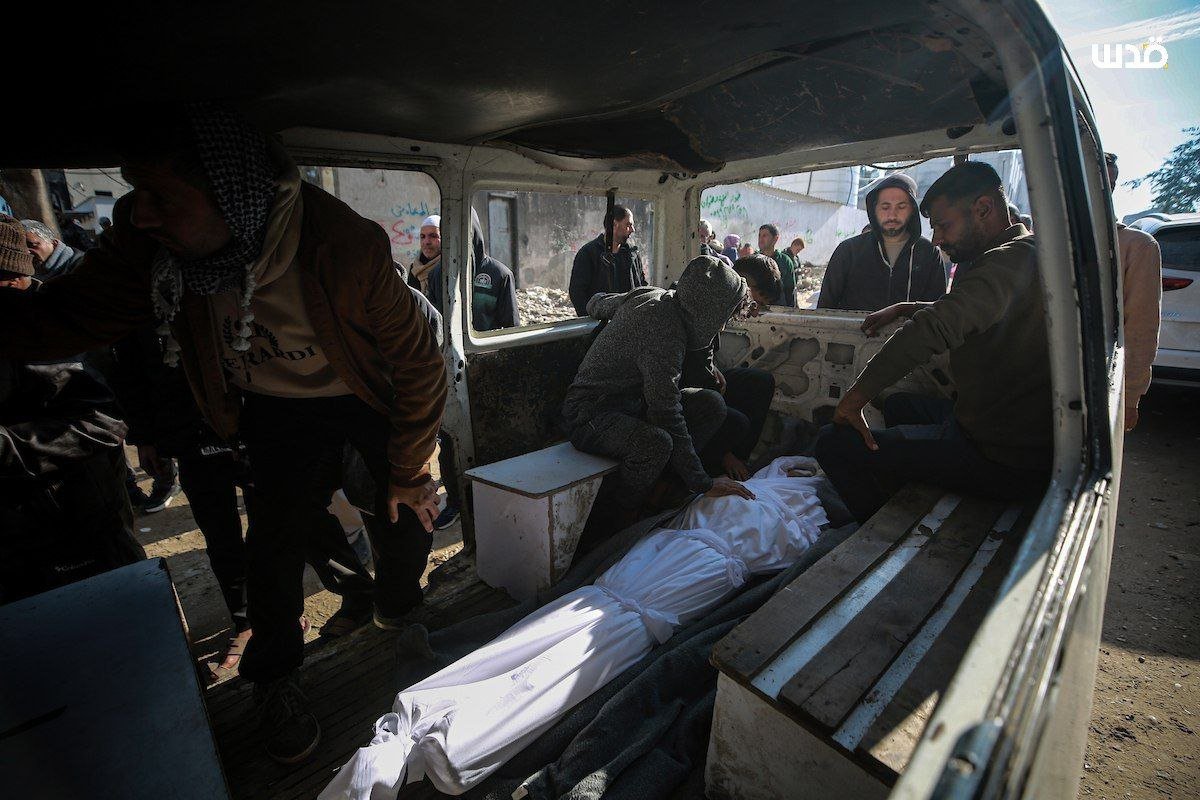
Despite the ceasefire, Palestinians face continued Israeli aggression. In these major attacks, 38 people were martyred in early October and 104 on October 29. A recent report by the BBC has revealed that since the implementation of the ceasefire on October 10, Israel has demolished more than 1,500 buildings in the areas of Gaza that it still controls. Satellite images show that this destruction was carried out in a few weeks through systematic demolition operations. In many places, entire settlements have been wiped out. These are not merely the destruction of buildings, but also the erasure of fields, gardens, and courtyards.

Khan Yunis, the eastern area of Rafah and the areas of Jabalia and Shujaiya, where there were once greenery and trees, are now just rubble and dust. According to observers, this is not just a military strategy but part of a political and social plan, examples of which have been seen in the West Bank for years.
On November 10, three Palestinians were martyred in an attack on a clinic in Gaza. On November 17, fourteen were martyred in Israeli shelling of several areas in Gaza, and then on November 23, twenty-four Palestinians were martyred in a simultaneous bombing by Israeli warplanes. Last month, Israel killed two Palestinians, including a 16-year-old, in the West Bank.
According to the United Nations agency UNICEF, the Israeli army has stopped trucks carrying 1.6 million injections and milk for vaccination of children. Preventing aid from reaching children during the worst humanitarian crisis is a serious violation of international law.
West Bank: Destruction, Desecration and Attacks on Sacred Sites
Homes, olive groves and small factories were set on fire in Nablus, Tulkarm, Qalqilya and Bethlehem. On Thursday, November 13, the grand mosque of ‘Deir Istiya’ was attacked and severely damaged, and copies of the Quran were burned. According to reports, all these actions are taking place under military auspices. However, the Palestinian people are not afraid of these tactics. On Thursday, a fire broke out in the mosque and Friday prayers were offered in a renovated part of the same mosque. It is this perseverance that helps to understand the true face of this war.
The European Union has remained silent on this destruction of the West Bank, but the work of preparing a constitution for a Palestinian state on paper has begun. In November, Palestinian Authority (PA) President Mahmoud Abbas and the French President agreed on a joint constitution-making panel in Paris. The question is: how can the Palestinian Authority be given the power to draft a constitution when it does not have a popular mandate? The state constitution is created by an elected constituent assembly, this sacred document is not drafted at the negotiating table.
A few months ago, US President Trump, in his address to the Israeli parliament, declared the attack on Gaza a ‘historic victory’. But now this ‘victorious army’ itself is breaking down from within. According to Israel’s Channel 12, thousands of officers from captains to lieutenant colonels have applied for early retirement. This trend is being seen in all branches of the military and is affecting positions that are considered the backbone of the future leadership of the Israeli army. Psychological stress, war fatigue, a burden of conscience, and disappointment with military strategy are being cited as the main factors.
When Brutality Breaches the Wall of Home
A report by the Israeli parliament has stated that the wives of one in three reserve soldiers are considering separation or divorce. Women are suffering from severe financial pressure and children are suffering from psychological problems. This crisis is a direct result of war policies. Presenting the report, the head of the committee, Meirav Cohen, said that 300,000 reserve soldiers have been on the front lines for a long time, which is the main reason for this terrible social crisis. More than half of the women say that marital problems are increasing due to the long separation of their husbands. Children are suffering from psychological stress due to the absence of fathers and the resulting irritability of mothers.
The effects of the Gaza war have now reached Israeli universities. Dr. Sebastian Ben-Daniel, a political science professor at Tel Aviv’s Ben-Gurion University, was giving a lecture on the ‘negative effects of the Gaza war on Israeli society’ when extremist Minister AlMog Cohen barged into the class and forcibly interrupted the lecture.
A World in Transition
The Oxford Union has overwhelmingly passed a resolution that says Israel is a greater threat to regional stability than Iran. Last year, the Oxford Union passed a resolution calling Israel a genocidal apartheid state by 278 votes to 59. These resolutions are an indication that serious circles in Europe are now turning away from the Israeli position and accepting the facts.
Germany’s Brandenburg Gate, once a symbol of unity and freedom, is now becoming a symbol of a new intellectual stagnation. A few young people hung a banner on the historic gate that read: “Genocide never again, free Palestine.” They were waving the Palestinian flag and appealing for peace. But in response, the police took action and arrested six people. Europe, which teaches the world to express its opinion, is now afraid of even a single word of human compassion. It is interesting that despite arrests, fines and trials, such incidents are becoming the norm in Europe. People know that arrest is certain, yet they do not stop speaking out because silence has now become a crime.
The Gaza Education Board announced the intermediate results on November 13. Zuha Nazmi topped with 96.7 percent marks. But when the results were out, Zuha was not there to celebrate this brilliant performance. Last month, when the barbarians bombed the Nussirat refugee camp in a clear violation of the ceasefire, this girl lost her life along with her parents and siblings. Brutality is burying not only bodies but also dreams, hard work, efforts and futures in the rubble.
Despite the biased attitude of the Western press, the conscious class of Europe is becoming aware of the truth through social media. The world’s slowly awakening conscience towards genocide is making Israel an unwelcome state. This is the changing intellectual climate that will influence the political future of Palestine tomorrow. Blind power may bring temporary gains, but victory always belongs to truth and conscience.
The views expressed in this article are the author’s own and do not necessarily reflect the policy of the platform.