The Association for Protection of Civil Rights (APCR) has documented 322 hate crimes against Muslims and Christians across 24 states and union territories between January 1 and September 30, 2026. The incidents resulted in 54 deaths, according to two reports released by the civil rights organisation.
Based on APCR’s Hate Crime Tracker and Hate Speech Tracker, the reports also recorded 83 hate speeches by 57 speakers across at least 16 states during the same period.
Of the 83 speeches, 33 were delivered by people holding public office, while only one incident resulted in an arrest, the report said.
The Hate Crime Tracker recorded state involvement in 119 incidents, accounting for 37 per cent of the total. It also documented 21 deaths at the hands of state authorities. These included 12 deaths in alleged police encounters and nine deaths in custody or prison.
Among the cases cited were the deaths of brothers Zeeshan and Gulfam in Ghaziabad in March, and 70-year-old Zaheer Shaikh, who died in custody in Ahmedabad.
The tracker also documented 15 incidents targeting Christians, most of them linked to allegations of religious conversion. One such incident involved an attack on a prayer meeting attended by more than 25 people in Sukma, Chhattisgarh.
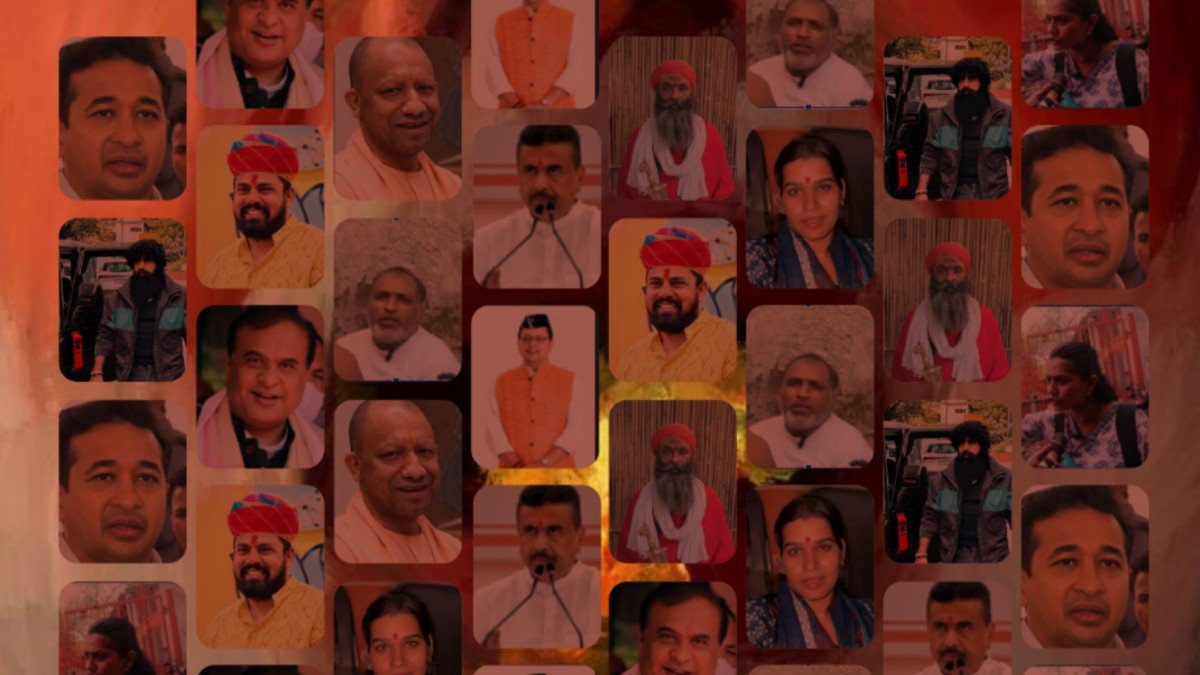
Public figures among those accused of hate speech
The Hate Speech Tracker identified Prime Minister Narendra Modi, Union Home Minister Amit Shah and four chief ministers among those holding public office whose speeches were recorded. Modi’s speech in Kolkata on March 14 was among the incidents included in the report.
Thirty-seven of the 83 speeches reportedly contained calls for violence or appeals for Hindus to arm themselves. The report also identified a recurring group of around 12 speakers who were responsible for nearly 50 speeches and video clips. Seven of them held public office.
Activists and journalists discuss findings
The release of the reports brought together civil rights activists, researchers, journalists and public intellectuals to discuss the findings and the wider implications of hate crimes and hate speech in India.
Moderated by Fawaz Shaheen, the discussion examined how targeted violence has increasingly become part of political mobilisation and public discourse. Shaheen argued that hate crimes were shifting from planned, structural forms of violence to becoming a regular feature of political activity.
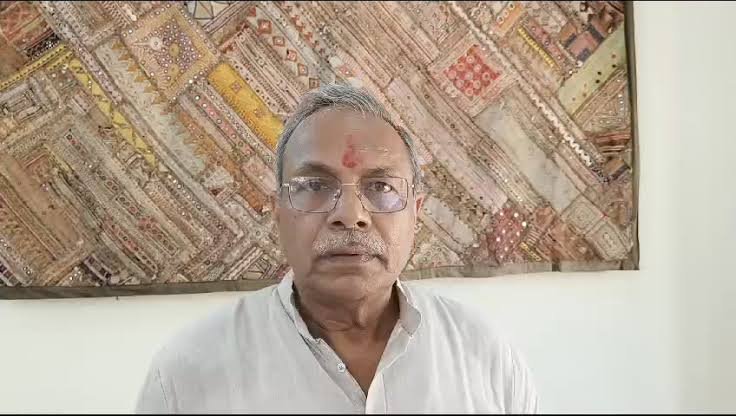
Aqsa Sayed spoke about the role of state institutions in incidents targeting religious minorities. She said state involvement could take the form of refusing to register FIRs against alleged perpetrators or failing to intervene when violence takes place in the presence of authorities. She highlighted the distinction between state inaction and state complicity.
John Dayal addressed the consequences of hate speech, arguing that statements leading to targeted violence should not be dismissed as ordinary conversation or expressions of opinion. He described such speech as a crime against humanity.
Journalist Nidheesh Tyagi emphasised the need to remember victims and keep their experiences in public discussion. He said the state was either complicit in these crimes or incompetent in addressing them. Referring to the responsibility of the Prime Minister and other public authorities, Tyagi said the Prime Minister was “the Incharge of the Nation” and could have stopped these crimes if he wanted to.
Syeda Hameed raised concerns about the harassment and intimidation faced by people documenting and researching hate crimes.
Through the two reports, APCR said it aims to bring documented incidents, victims’ experiences and the role of state institutions into public discussion. The organisation called for accountability in cases of hate crimes and hate speech, effective implementation of the Supreme Court’s directions, and protection for those documenting violations of civil and constitutional rights.