

































India marked the 78th death anniversary of Mahatma Gandhi on Friday, observing the day as Martyrs’ Day and paying tribute to the Father of the Nation across the country. A Sarva Dharma Prarthana was held at Raj Ghat in New Delhi, where national leaders gathered to remember Gandhi’s life and legacy.
President Droupadi Murmu visited Raj Ghat and offered floral tributes at Gandhi’s samadhi. Vice President C P Radhakrishnan and Prime Minister Narendra Modi also paid their respects. Union Home Minister Amit Shah remembered Gandhi in a social media message, saying that Bapu united a nation divided by language, region and caste, and gave India’s freedom movement a wider moral vision. “Gandhiji wove together swadeshi, independence and cleanliness into a single thread to build a strong and glorious India,” Shah said.
Every year on January 30, India observes Martyrs’ Day to honour Mahatma Gandhi and all freedom fighters who sacrificed their lives for the country’s independence and unity. Gandhi was assassinated on this day in 1948 during an evening prayer meeting at Birla House in Delhi.
While the nation remembers the moment of his death, history shows that Gandhi survived several assassination attempts before 1948. Records indicate that he faced at least five such attempts. In 1934, a bomb exploded near his car in Pune, but he escaped unharmed. In 1944, there were failed dagger attacks during prayer meetings in Panchgani and Sevagram involving Nathuram Godse and his associates. Another suspected attempt involved the sabotage of a train in 1946. Just ten days before his assassination, a bomb was detonated at his prayer meeting at Birla House on January 20, 1948, but Gandhi remained unharmed.
Despite repeated threats and warnings, Gandhi refused to take security cover and continued to meet people openly. “Despite all dangers, Gandhiji chose fearlessness and faith in the people,” historians often note, describing this as a defining part of his moral courage.
Mahatma Gandhi was finally assassinated by Nathuram Godse, a member of the Hindu Mahasabha, who fired three shots at point-blank range during the prayer meeting. Gandhi is believed to have uttered “Hey Ram” before collapsing. Godse opposed Gandhi’s commitment to non violence and his efforts toward Hindu-Muslim unity after Partition. Following a trial, Godse and Narayan Apte were executed in 1949.
Remembering Gandhi on Shaheed Diwas is seen as a reminder of the dangers of hatred and political extremism. Justice, peace and communal harmony were central to Gandhi’s life and work. Leaders and citizens alike say the day calls for reflection on values like truth, non violence and unity.
Across India, Martyrs’ Day is being observed with prayer meetings, tributes at memorials and a two-minute silence at 11 am. Schools and public institutions are also holding commemorative programmes.
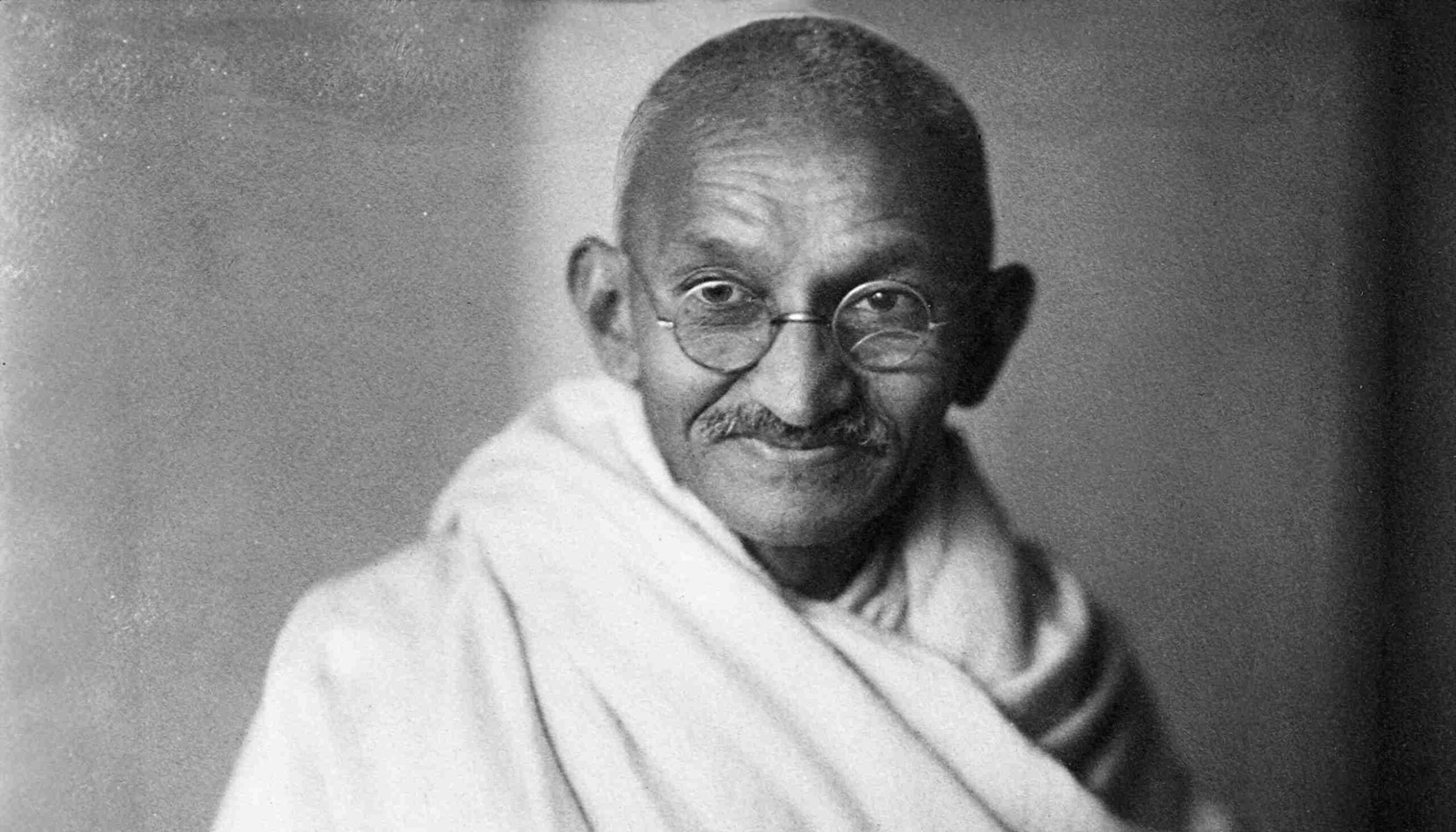
Born on October 2, 1869, in Porbandar, Gujarat, Mohandas Karamchand Gandhi went on to lead India’s freedom struggle through non-violent movements such as the Salt Satyagraha, Non-Cooperation and Quit India. His simple life and moral leadership earned him global respect.
Even decades after his death, Gandhi’s ideas continue to resonate. As one of his most quoted lines reminds the nation, “My life is my message.”