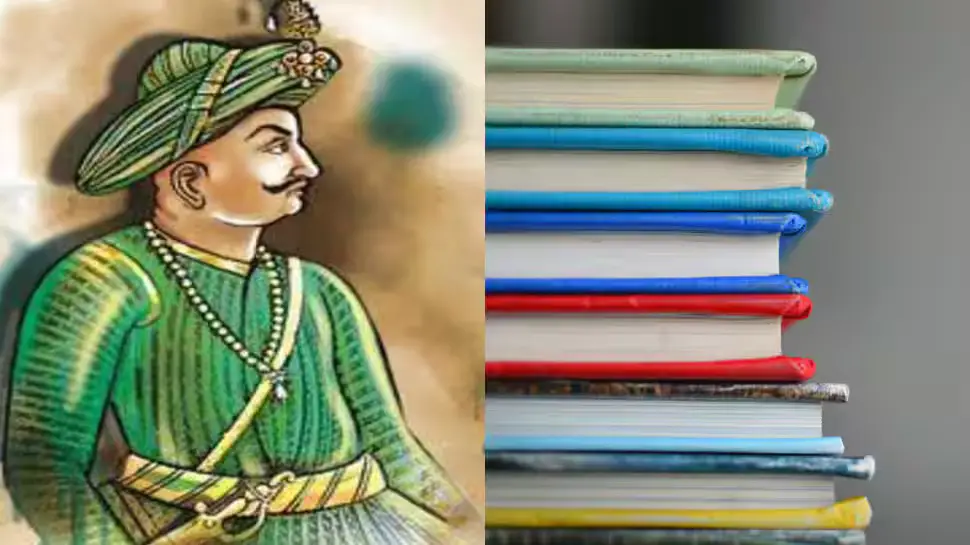
The National Council of Educational Research and Training (NCERT) has removed key historical figures, including Tipu Sultan, Haider Ali, Raziya Sultan, and Nur Jahan, from its new Class 8 Social Science textbook. These changes are part of a broader revision of school curriculum under the National Education Policy (NEP) 2020 and the National Curriculum Framework for School Education (NCF-SE) 2023.
In response to a question in the Rajya Sabha on August 6, MP Ritabrata Banerjee raised concerns over these omissions. Minister of State for Education Jayant Chaudhary confirmed that the new textbook, titled Social Science: Part I, no longer includes the 18th-century Mysore ruler Tipu Sultan or his father Haider Ali, both of whom played a major role in resisting British colonial expansion. The book also excludes the Anglo-Mysore Wars, which were significant in India’s struggle against British rule. Similarly, references to Raziya Sultan of the Delhi Sultanate and Empress Nur Jahan, both influential women in Indian history, have been dropped.
The revised textbook is divided into four themes—India and the World: Land and the People, Tapestry of the Past, Governance and Democracy, and Economic Life Around Us. According to officials, these themes are designed to support a competency-based and contextual understanding of social science topics. The NCERT claims the textbook now promotes experiential learning, fieldwork, and a focus on understanding history through evidence rather than memorising events.
While figures like Tipu Sultan have been excluded, others such as Rani Durgavati, Ahilyabai Holkar, and Rani Abbakka I have been included under the historical theme. The Education Ministry said that the new curriculum does not aim to present detailed biographies or timelines of rulers but rather a broad overview of India’s civilisation from ancient times to Independence.
“The idea is to make the content age-appropriate and connected to students’ lives. History is being taught through themes that help students grasp the larger picture rather than names and dates,” a government official said.

The Ministry also reminded Parliament that education falls under the Concurrent List of the Indian Constitution, meaning states have the right to design or adapt their own curricula. State education boards can choose to retain or reintroduce lessons on figures like Tipu Sultan and others in their own textbooks if they wish.