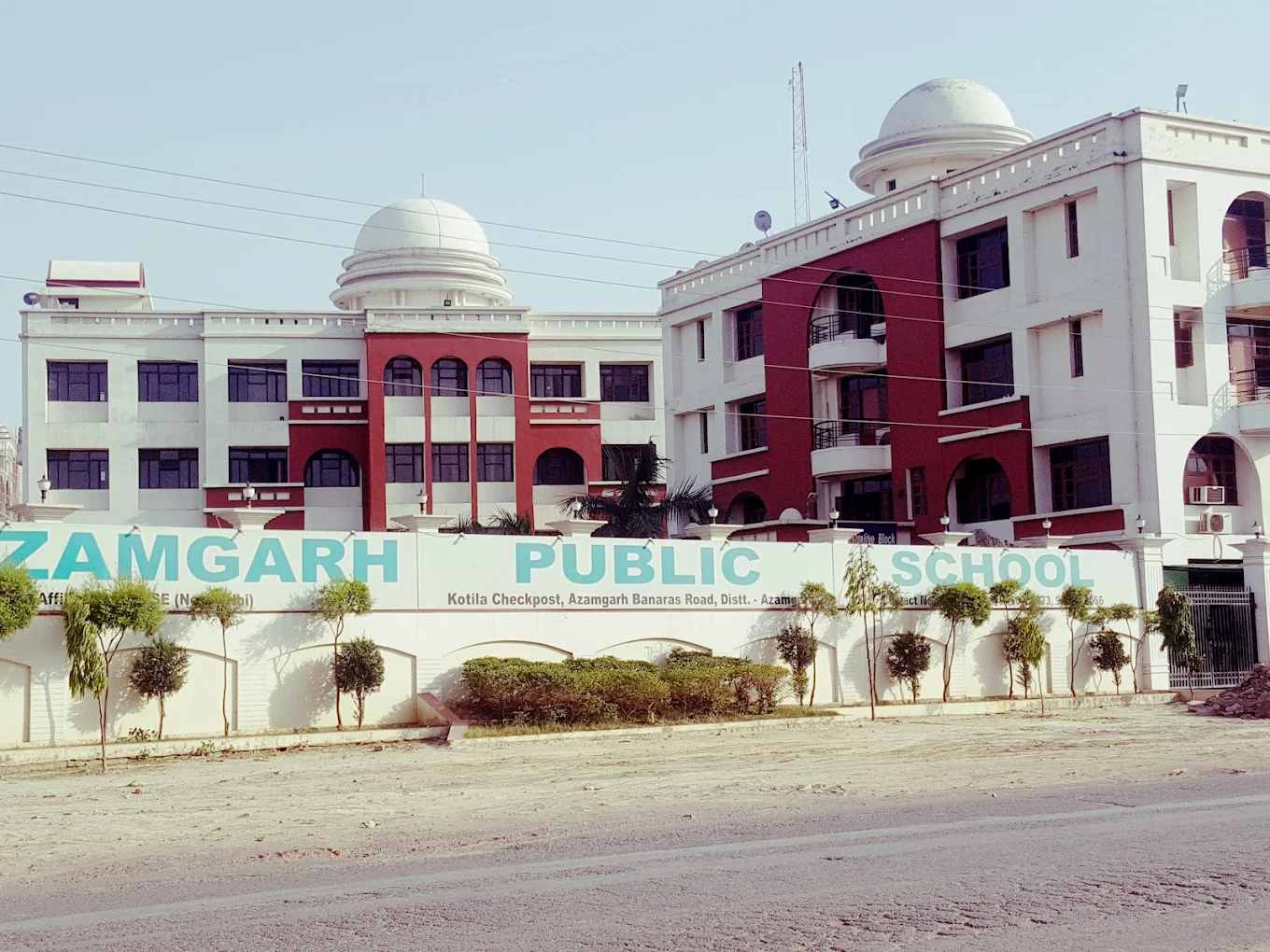
A private school in Uttar Pradesh’s Azamgarh district has triggered a major controversy after a video allegedly showing young children being taught Islamic religious lessons in Urdu went viral on social media, drawing sharp reactions from Hindu organisations and prompting an official investigation.
The video, reportedly recorded on December 23, shows children aged around five to six years standing in a classroom in school uniform and answering religious questions asked by a teacher. In the clip, the teacher asks questions such as who they are, who created the world, and details related to Islam and the Prophet. The children respond in unison with answers like “Muslim” and “Allah Taala.” The teacher’s face is not visible, but her voice can be heard clearly.
The school named in the controversy is Azamgarh Public School, a CBSE-affiliated English medium institution located in the Rani Ki Sarai area under the Sarai police station limits. The school was established by Samajwadi Party Legislative Council member Shah Alam, also known as Guddu Jamali, and is managed by Mohammad Noman. The area has a mixed population, with a Muslim majority.
Following the backlash, school authorities said the matter is being examined. Principal Rupal Pandya said the school has sought an explanation from the concerned teacher. “We have asked the teacher to submit a reply. After receiving it, we will be able to confirm whether the video is from our school and when it was recorded. Necessary action will be taken accordingly,” she said.
School manager Mohammad Noman said Urdu is taught as a subject in the school, and the lesson may have been part of that. “A notice has been issued to the teacher and an explanation has been sought. Further action will depend on the findings,” he said.
Right-wing organisations have strongly objected to the video, accusing the school of promoting religious fanaticism. Vishva Hindu Mahasangh national executive president Arun Kumar Singh Sadhu said teaching religious content in a CBSE school was unacceptable. “This is not a madrasa. Children from all religions study here. Teaching only Islamic religious education is condemnable,” he said, adding that he would write to Chief Minister Yogi Adityanath seeking cancellation of the school’s recognition.
The district administration has now stepped in. Azamgarh District Magistrate Ravindra Kumar confirmed that a complaint has been received. “A three member committee has been formed to investigate the viral video. Action will be taken based on the committee’s report,” he said.
Legal and constitutional experts have pointed out that private schools are legally allowed to impart religious education. Constitutional expert Dr Meena Sharma said, “Article 28 bars religious instruction only in government funded schools. Private institutions are free to provide religious education. Article 30 also protects the rights of minority institutions to manage their affairs, including cultural and religious teaching.”
Local residents and social workers have questioned what they call selective outrage. A resident of Rani Ki Sarai said, “Missionary schools teach about Jesus and Hindu run schools teach Sanskrit and religious values. When Muslim children are taught their religion, it suddenly becomes controversial.”
Social worker Saqib Ahmed said the issue was being politicised. “This is fear-mongering. Private schools have constitutional rights. The focus should be on education, not communal targeting,” he said.
Several Muslim parents associated with the school expressed anxiety over the developments. One parent said, “Our children are learning about their faith in a safe environment. There is no force or conversion involved, yet we are being targeted.”
Education experts have warned that such controversies can harm minority education. Education policy researcher Dr Anil Kumar said, “Creating fear around minority run schools discourages parents and affects children’s education. This goes against the goal of inclusive development.”