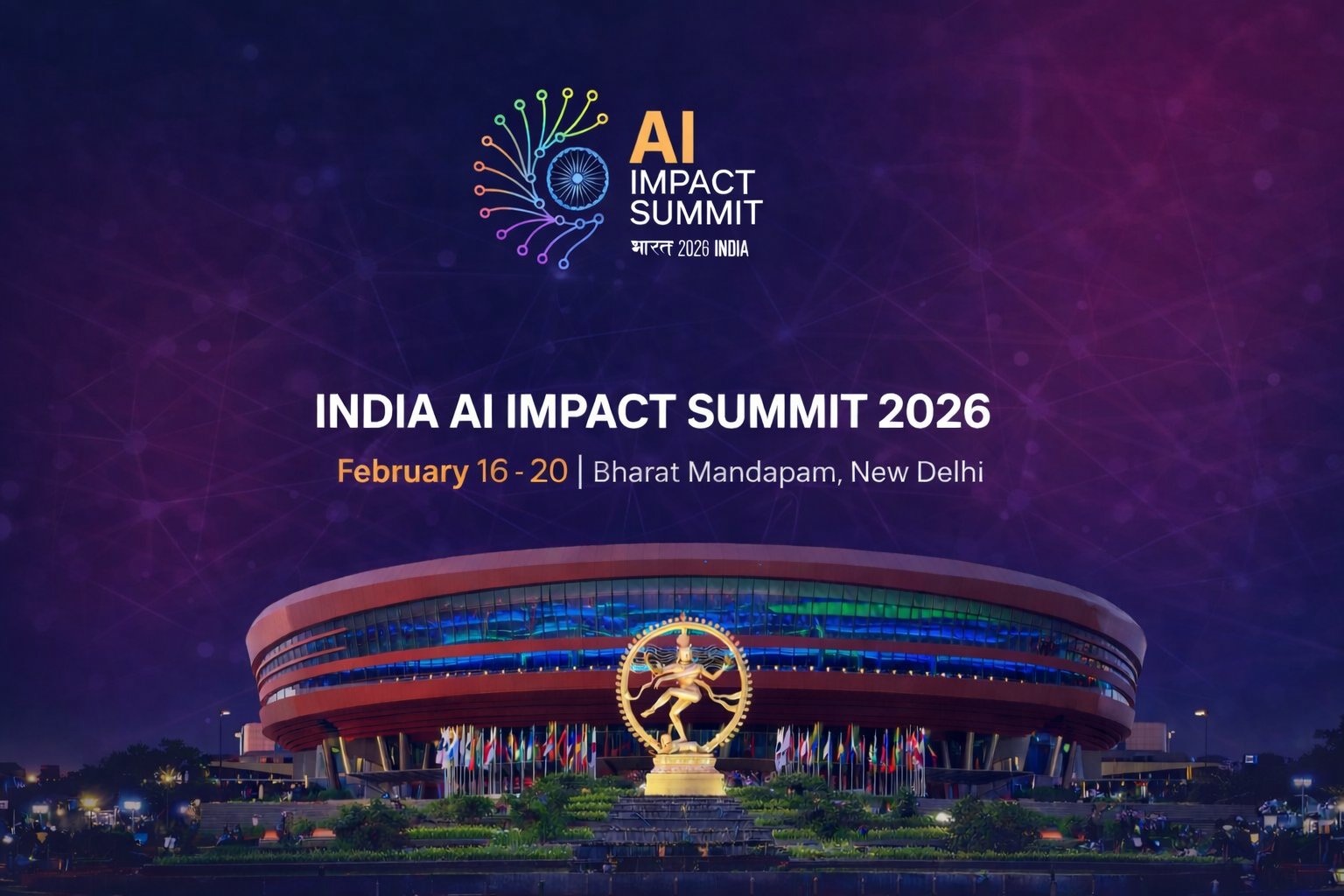
At the AI Impact Summit 2026 held at Bharat Mandapam in New Delhi, top technology leaders urged employees not to panic over fears that artificial intelligence could take away jobs, saying the key to survival is to upskill and keep learning.
Speaking at a session on “The Future of Employability in the Age of AI”, industry experts said artificial intelligence may change the nature of work, but it will also open new opportunities for those who are ready to adapt. They stressed that lifelong learning will be necessary over the next three to five years as companies restructure their workforce in response to rapid AI adoption.
Sanjeev Bikhchandani, Founder of Info Edge, which owns Naukri.com, said technological change should not always be seen as a threat. Referring to the time when computers were introduced in banks, he said, “Nobody lost their job and instead productivity went up.”
Addressing concerns about whether AI adoption would cost jobs, Bikhchandani told young people, “Don’t worry about policy. Just think what should you do so that AI does not make you lose your job and instead help you get a job.”
“Here it begins — shaping the future at IndiaAI Impact Summit 2026.”
— STPI (@stpiindia) February 16, 2026
🎥 Camera in motion… LIVE from the IndiaAI Impact Summit 2026
📍 Bharat Mandapam, New Delhi
🗓 16th February 2026
Be part of the movement driving Responsible AI, innovation, and global collaboration for a… pic.twitter.com/JThUVjnxQu
He advised youngsters to actively learn and use AI tools. “AI is happening, it is relentless, if you don’t do AI, AI will be done to you,” he said. He suggested setting a personal goal of learning at least three AI platforms within three months. “The more you do that the more your job is safe,” he added.
Puneet Chandok, President of Microsoft India and South Asia, said AI will not kill jobs but will “unbundle” them, meaning tasks within jobs will change. He said professionals must embrace AI tools to stay relevant in the evolving job market.
Sateesh Seetharamiah, CEO of EdgeVerve, said AI will act as a faster capability multiplier and that lifelong learning is the core mantra to manage the AI wave. “So the jobs are not going anywhere, nature of jobs will change,” he said, adding that humans will continue to take accountability for work.
Vineet Nayar, Founder Chairman of Sampark Foundation, offered a mixed outlook. He said 50 percent of current jobs may go because of AI but another 50 percent more jobs could be created that will require skilled manpower to handle artificial intelligence. “AI offers us a scope to reskill ourselves. But what skills are required that we need to figure out,” Nayar said.

The leaders agreed that while artificial intelligence will disrupt traditional roles, employees who invest in learning and upgrading their skills will be better placed to benefit from the AI-driven economy.