Tension gripped parts of Darjeeling in West Bengal during the ongoing Special Intensive Revision SIR of electoral rolls after nearly 30 members of the Muslim community were summoned for hearings over doubts about their citizenship.
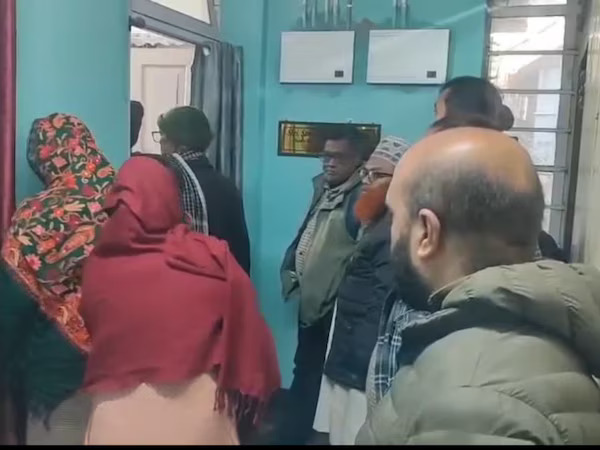
The hearings were held on Sunday, February 16, the last day after the SIR deadline was extended in the state. The final voter list is scheduled to be published on February 28. According to local residents, an emotional atmosphere prevailed at the District Magistrate’s office as several people broke down during the proceedings, insisting they were born and raised in Darjeeling and had valid documents to prove their Indian citizenship.
One resident from the Chowk Bazar area alleged that complaints had been filed against 30 to 35 people from the Muslim community. “Someone accessed the voter list and identified names of people from our community. After that, complaints were filed with the Election Commission to remove our names,” he claimed. He said two individuals had raised doubts about his citizenship and that of his brother. “We have submitted all necessary documents today. We are Indians and our names have been on voter lists for years,” he said.
Another woman from the Rockville Road area said she received a notice on Friday asking her to appear for a hearing over allegations that she was not an Indian citizen. “I have all valid documents. I submitted them to the election office. I was born and brought up here,” she said.
Several others who appeared for the hearing said their names had been included in previous voter lists, including in 2002, yet they were called this time based on complaints. Many described the experience as distressing and said they felt targeted on mere allegations.
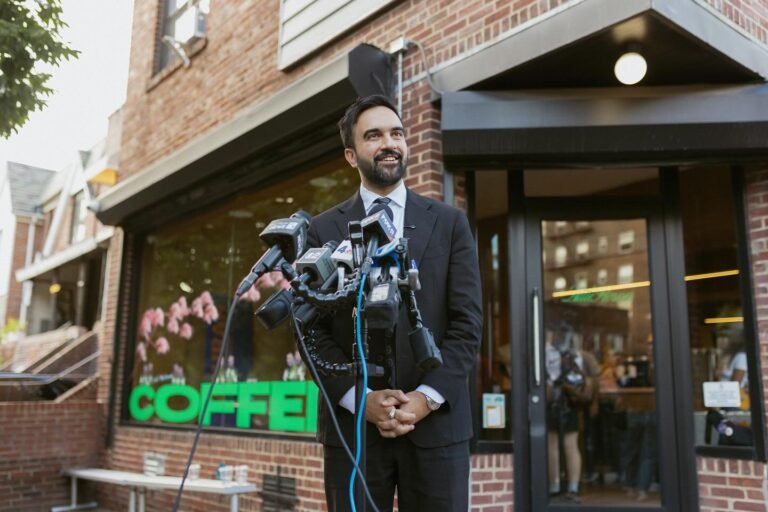
Taushik Ashraf alleged that a person named Sunil Chhetri had filed complaints claiming that around 30 Muslim residents were not Indian citizens and that their names should be struck off the voter list. “Everyone submitted valid documents and told authorities they are Indians, born and raised in Darjeeling,” he said. He added that the administration disclosed only the complainant’s name but not the address, making it difficult to pursue any action.
Officials associated with the SIR process said that calling individuals for hearings based on complaints is part of the normal verification procedure. They maintained that such complaints were not limited to one community and that similar objections had been raised against people from other backgrounds as well. According to the administration, names of those whose documents were found valid have been retained in the voter list, while those unable to produce proper documents have been removed.