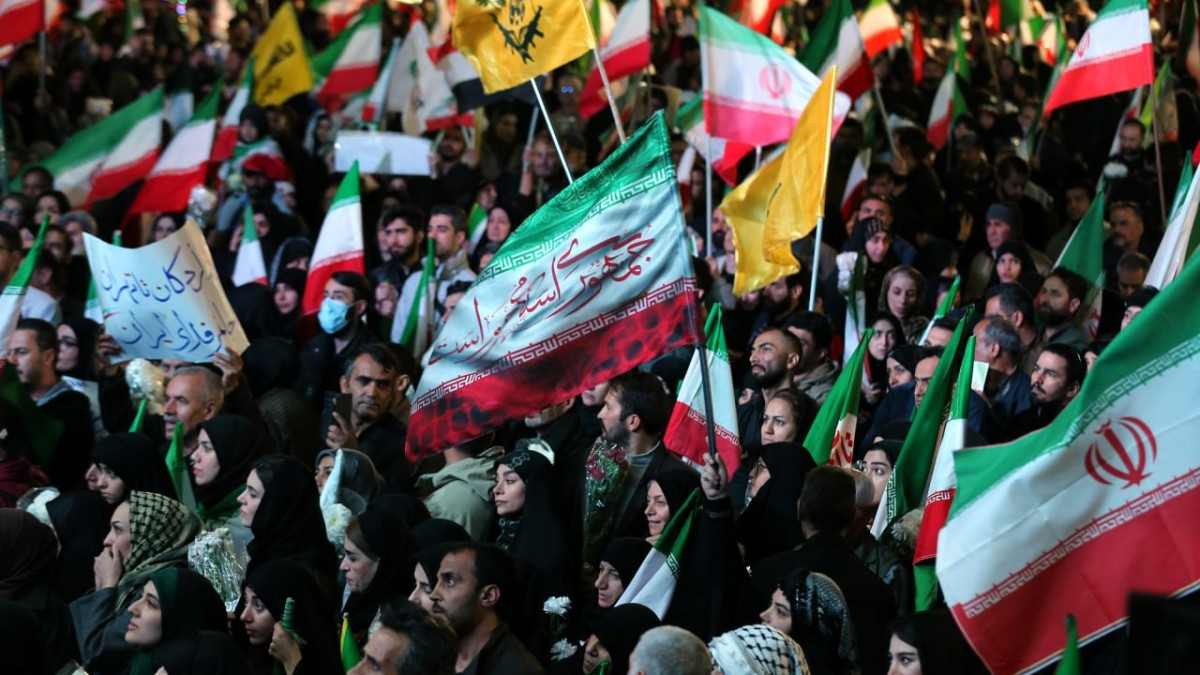
Tensions between Iran and the United States have escalated after Tehran said it has no immediate plans for a new round of negotiations, following the seizure of an Iranian-flagged cargo ship by US forces in the Strait of Hormuz.
A spokesperson for Iran’s Foreign Ministry said the government is not currently preparing for further talks, accusing Washington of inconsistent behaviour and continued pressure on Tehran.
“The United States is not serious about negotiations,” the spokesperson said, adding that Iran would respond firmly to what it called “repeated violations and coercive actions.”
Iran Warns Against “Coercion” as Trust Breaks Down
Iranian President Masoud Pezeshkian said there remains “deep historical mistrust” toward the United States.
He wrote on social media that while Iran supports diplomacy, “honouring commitments remains the basis of meaningful dialogue.”
He also said Iran rejects “surrender under pressure,” stressing that the country will continue pursuing its national interests while remaining open to rational and diplomatic solutions.
US Push for Islamabad Talks
Meanwhile, US President Donald Trump said a US delegation led by Vice President JD Vance is heading to Islamabad for talks with Iran.
Trump claimed that negotiations could lead to an agreement, although Iranian officials have not confirmed participation in any new round of talks.
Pakistan has reportedly increased security in its capital, deploying around 20,000 personnel and restricting movement in sensitive areas ahead of possible diplomatic engagements.
Pakistan’s Mediating Role
Pakistan has emerged as a key mediator between the two sides. Diplomatic sources say Islamabad has been facilitating indirect and direct communication channels between Washington and Tehran.

Former Pakistani envoy Jamil Khan said discussions are “moving quickly,” and that an Iranian delegation may arrive soon, although no official confirmation has been issued by Tehran.
Separate Tracks for Regional Conflicts
Analysts suggest that mediation efforts are now separating Iran–US negotiations from broader regional conflicts involving Israel and Lebanon.
The US State Department has confirmed that it will host a second round of ambassador-level talks between Israel and Lebanon on Thursday, describing the discussions as “productive engagement” aimed at maintaining ceasefire stability.
In Lebanon, a fragile 10-day ceasefire with Israel continues to hold, with displaced residents returning to damaged homes in the south.
Strait of Hormuz and Security Escalation
Tensions rose further after Iran reportedly reacted to US naval actions in the region, including the seizure of an Iranian vessel in the Sea of Oman. Iranian officials warned of retaliation and accused Washington of violating ceasefire understandings.

Iran has also reiterated its opposition to external pressure, with officials saying the country will not accept ultimatums or deadlines in negotiations.
Talks Remain Uncertain
Despite diplomatic movement through Pakistan, Iran has not formally agreed to attend a new round of talks in Islamabad. Officials in Tehran say any negotiations would depend on “mutual respect and removal of coercive measures.”
At the same time, Washington maintains that discussions remain possible, though tied to broader security concerns, including Iran’s nuclear programme and regional influence.