A fact-finding report by the Association for Protection of Civil Rights (APCR) Maharashtra has found no evidence to support claims of an organised religious conversion racket in the recent controversy involving employees at Tata Consultancy Services in Nashik.
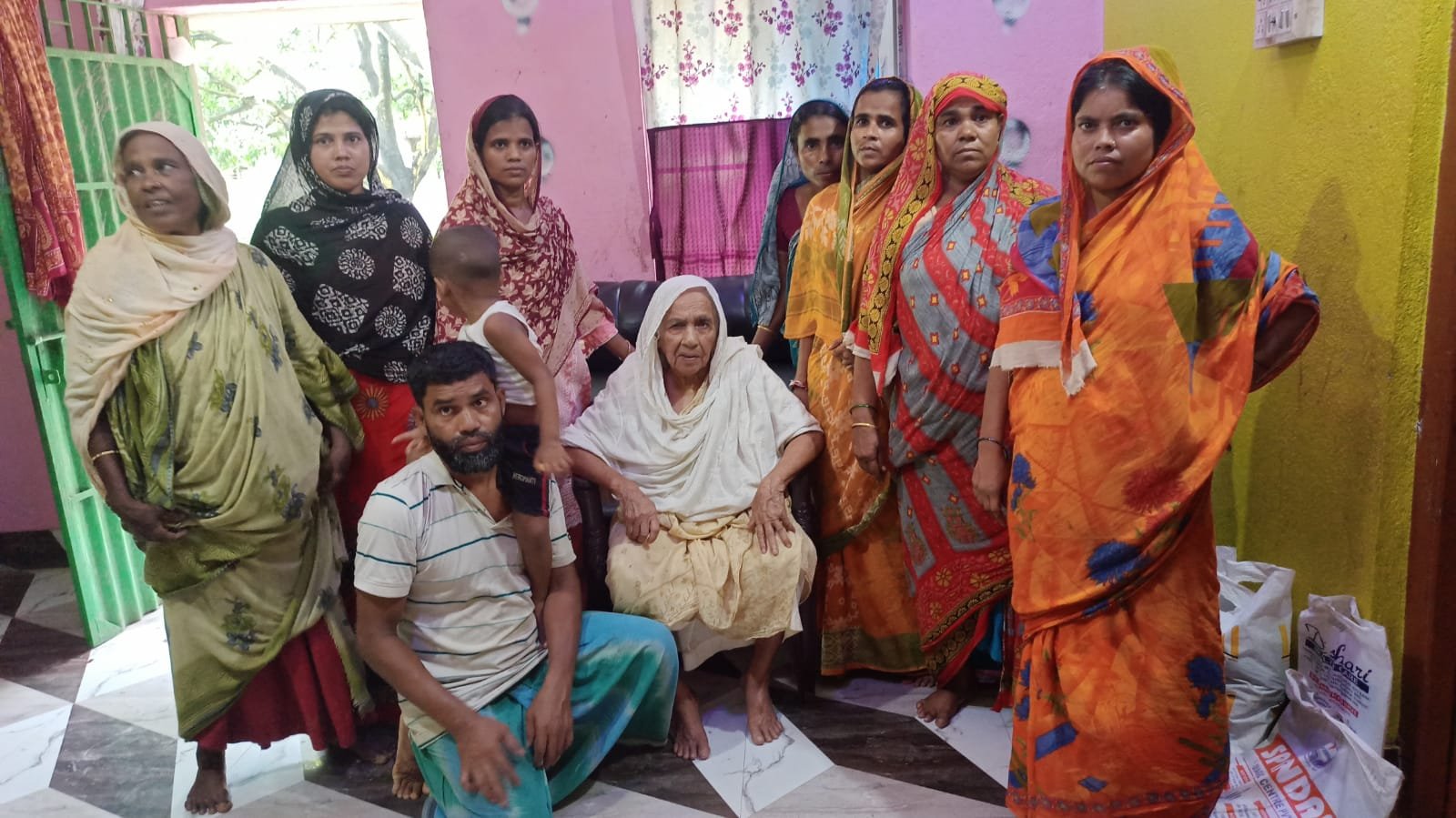
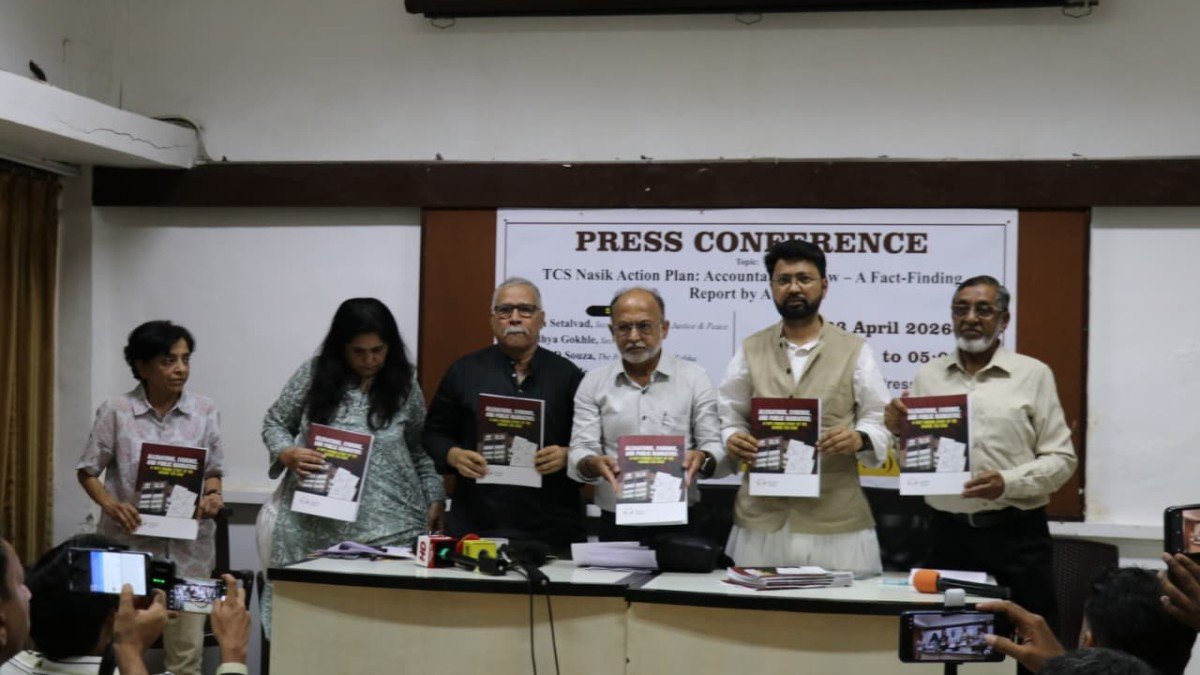
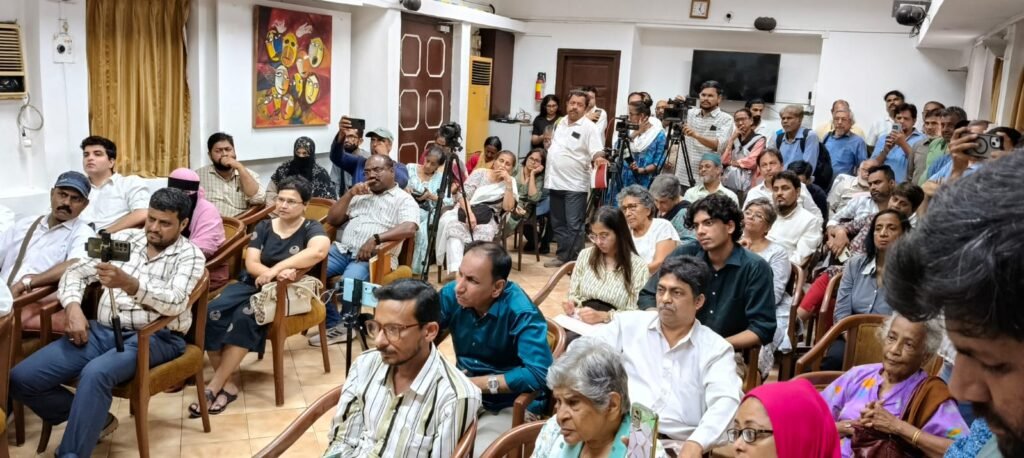
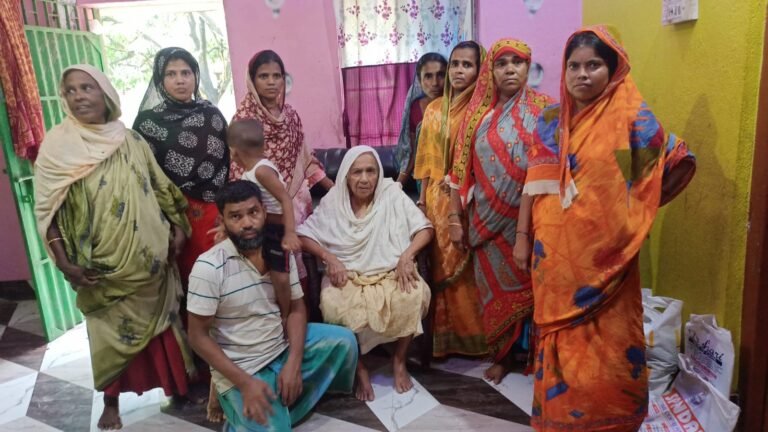
The report was released at a press conference held at the Mumbai Press Club after a field visit conducted on April 4, 2026. The team interacted with families, lawyers, and local residents, examined FIRs, and observed court proceedings to understand the situation on the ground.
Allegations versus findings
The controversy began in February when an FIR alleged that Muslim women employees were practising their religion at the workplace, including observing Roza. However, APCR members said these claims do not stand up to scrutiny.
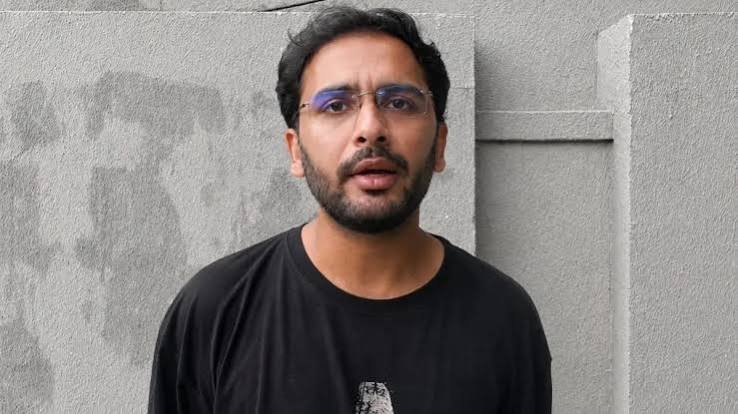
Nadeem Khan, national secretary of APCR, said, “There is no clear evidence of any organised religious conversion activity. The allegations do not even pass basic logic, especially the claim that someone can be forced to observe fasting.”
He also pointed out that the FIRs were not filed by any alleged victims. “It is important to note that these complaints were filed by a third party, not by the women or their families,” he added, questioning the basis of the case.

Concerns over growing narrative
Speakers at the event said the issue must be seen in a larger context. Dolphy D’Souza of the Bombay Catholic Sabha said such incidents are not isolated.
“These narratives are being built deliberately. Terms like ‘corporate love jihad’ are being used to create fear and suspicion, especially around minority employees,” he said.
Echoing similar concerns, Sandhya Gokhale from the People’s Union for Civil Liberties said that what was earlier seen in informal sectors is now reaching corporate spaces.
“We are seeing signs of an economic boycott. Women, especially from minority communities, are the worst affected,” she said, adding that there are also concerns about whether investigations will remain unbiased.
Questions on media portrayal and inconsistencies
Activists also highlighted contradictions in how the case has been presented publicly. Journalist and activist Niranjan Takle said the role of one of the accused had been misrepresented.
“She was first described as a mastermind and HR head, but later it was clarified that she was only a telecaller with no such authority,” he said.
He further noted that the company has internal systems to deal with complaints, but no formal complaints were filed through those channels.
“This raises serious questions about the narrative that is being pushed,” he added.
Call for due process and fair investigation
Teesta Setalvad stressed that workplace harassment issues should not be communalised.
“Harassment is about power, not religion. Institutions must follow proper procedures under workplace laws instead of allowing such issues to be turned into communal debates,” she said.

She also raised concerns about the reputational damage caused to individuals named in the case, asking who would be held accountable.
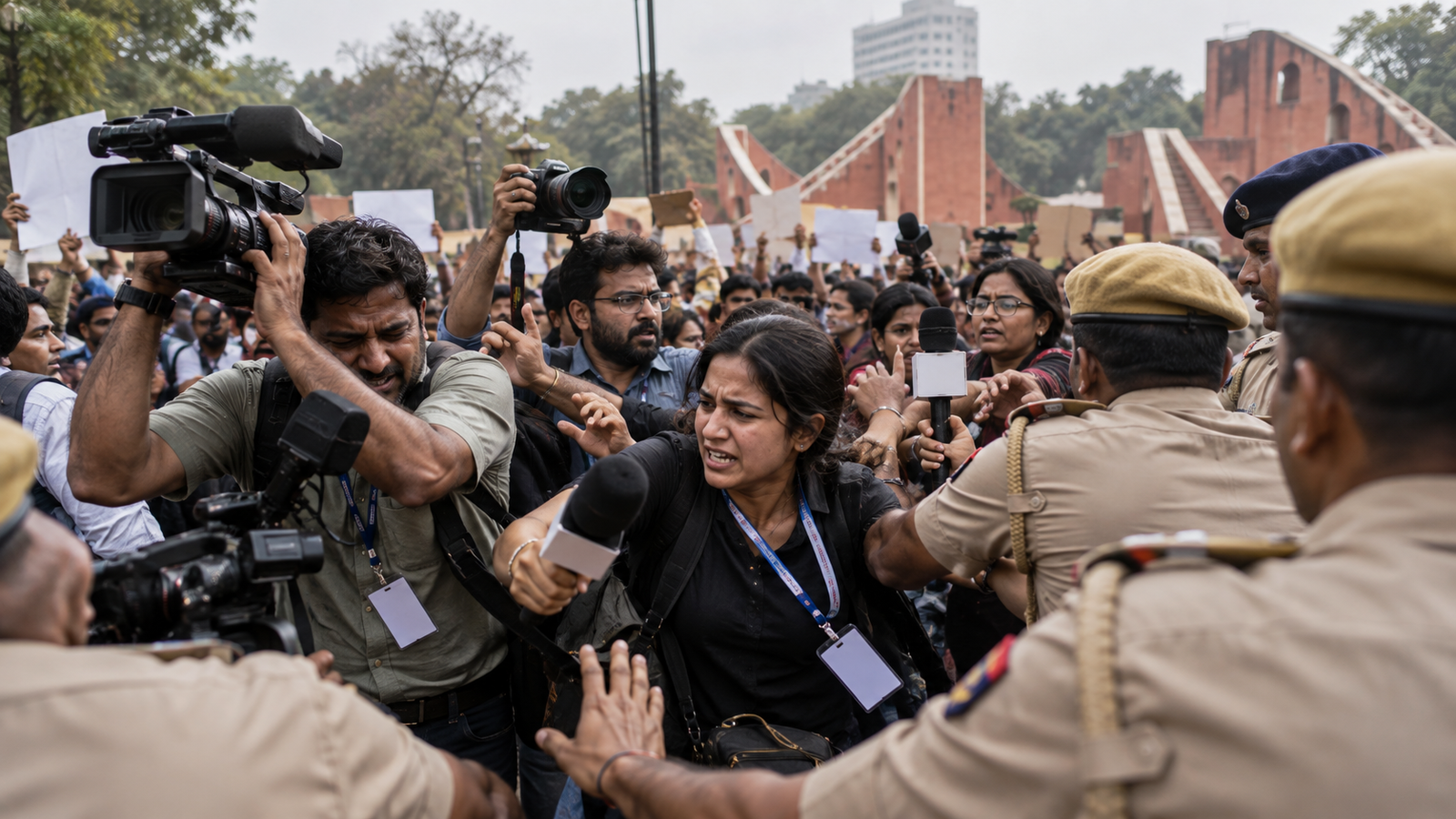
The APCR report concludes that there is a clear gap between documented facts and what is being circulated publicly. It has called for an independent and impartial investigation, possibly under a retired judge, as well as restraint in media reporting.
The organisation emphasised that due process must be followed and warned against spreading unverified claims that could deepen social divisions and harm innocent individuals.