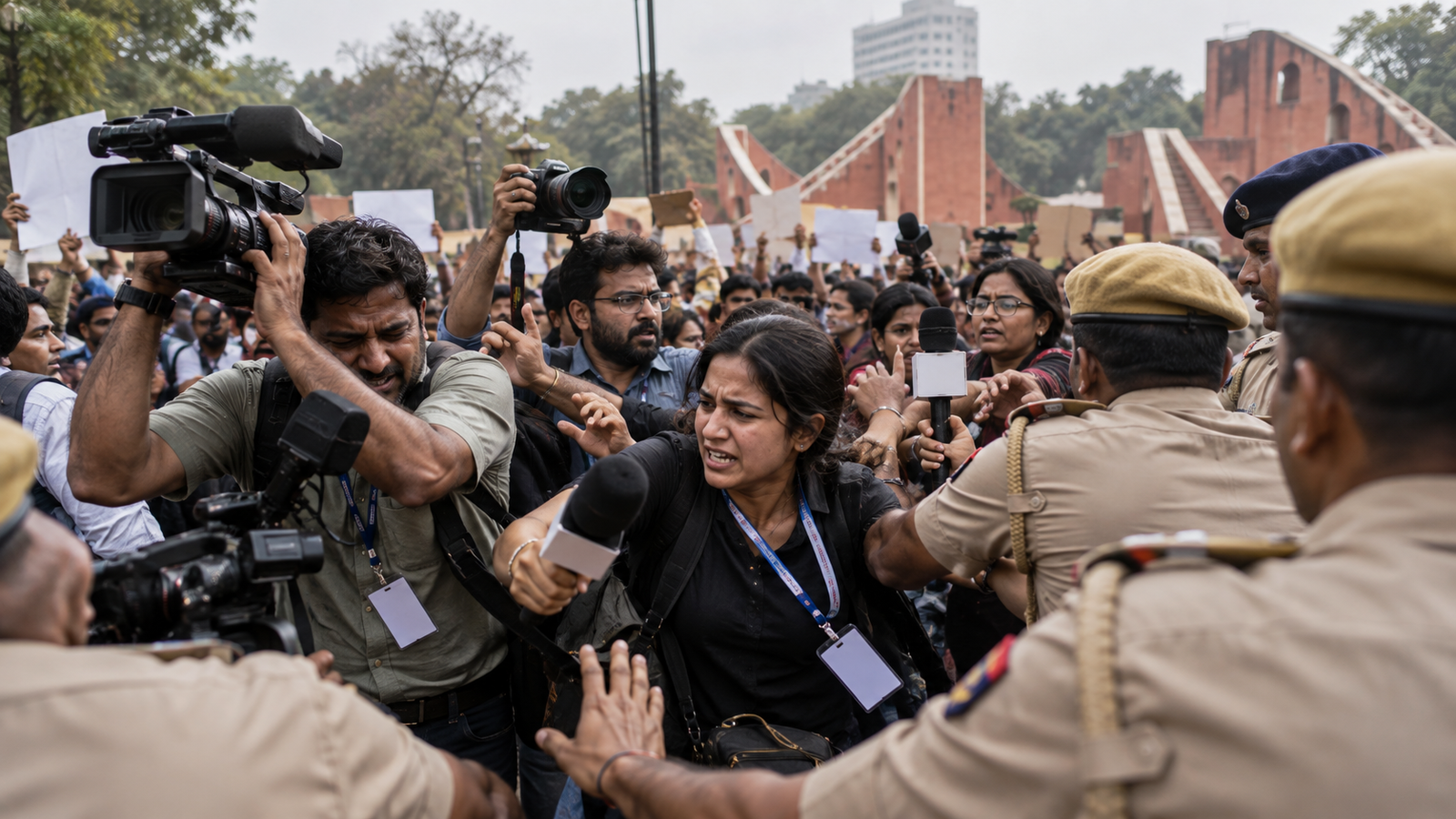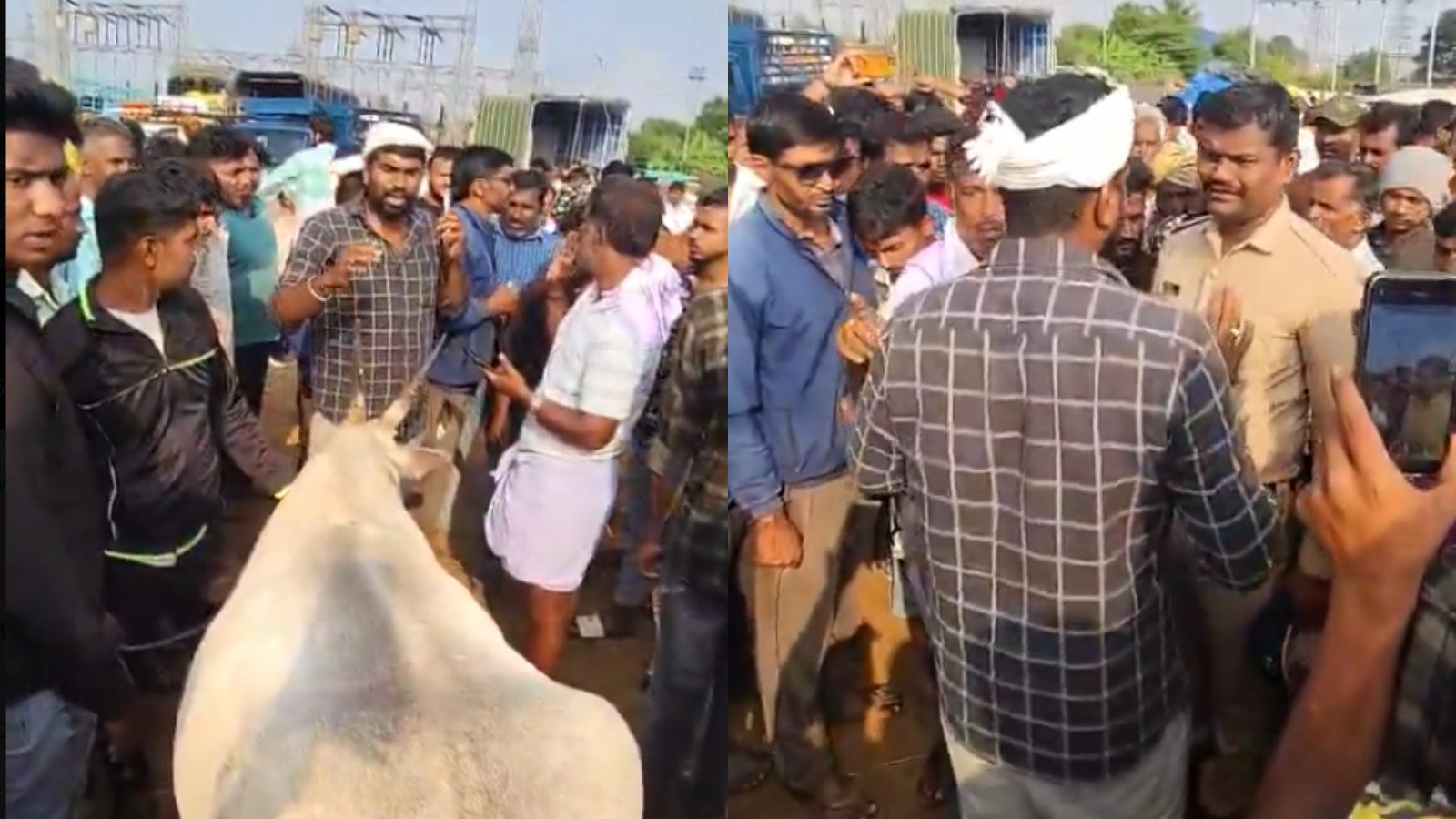
Tension surfaced in Karnataka’s Hassan district after Muslim organisations announced a boycott of purchasing cattle for slaughter ahead of Eid al-Adha, leaving many dairy farmers worried about their income. The decision led to a sharp fall in business at the district’s weekly cattle fair on Tuesday, with several farmers threatening protests if the situation continues.
Hundreds of farmers arrived at the Hassan cattle market early Tuesday expecting strong festive demand, but many returned disappointed as buyers remained absent. The weekly market, held every Tuesday morning, is considered an important source of income for local farmers, especially before Eid al-Adha when cattle sales usually rise.
“We have been selling cattle for generations; it is our primary livelihood,” said a protesting dairy farmer, identifying himself as a Vokkaliga Gowda. “Right now, I desperately need Rs 40,000 to purchase seeds and fertilisers for the upcoming agricultural season. I do not care if the money comes from the government, an organisation, or the Muslim community; I need it to survive.”
He warned that if livestock trade continues to suffer, farmers may take their cattle to the Deputy Commissioner’s office in protest.
Muslim Groups Cite Safety Concerns Behind Boycott
The boycott came days after local authorities, along with right-wing activists, reportedly intercepted 11 vehicles transporting livestock in Hassan and shifted the animals to cow shelters. Muslim organisations said the decision was taken due to growing fear and intimidation around cattle purchases.
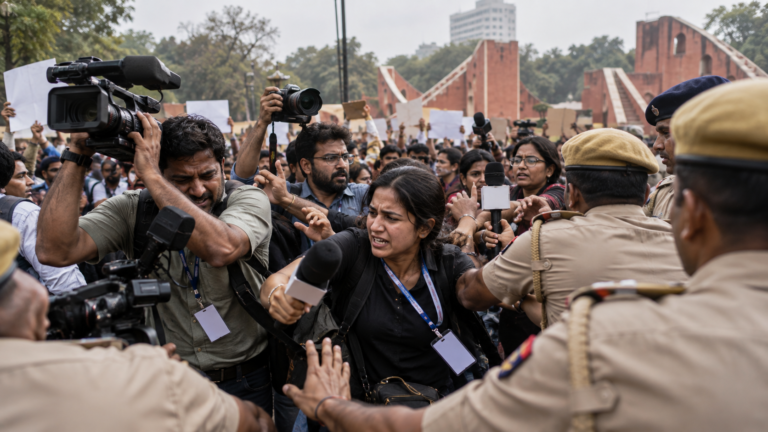
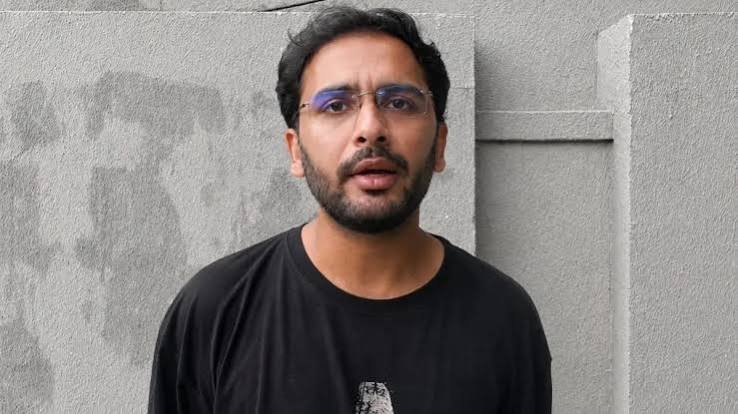
Representing Muslim organisations in Hassan, advocate Anshad-e-Palya said community members had been facing increasing threats in recent weeks.
“Intimidating posters were erected across several Muslim-majority neighbourhoods warning community members against buying cattle,” Anshad said. “The posters claimed that anyone found handling cattle would have their homes razed. We checked with the police, municipal corporation and district administration, and all denied involvement.”
He alleged that unidentified groups may have put up the banners and demanded strict action.
Anshad also argued that Muslims involved in cattle-related trade have faced growing scrutiny since the implementation of the Karnataka anti-cow slaughter law in 2020.
“Though only 20 to 25 percent of the local Muslim population consumes beef, the entire community is being painted as illegal cattle traders,” he said. “People are routinely harassed and targeted even while legally transporting livestock. Because of these safety concerns, the community decided to boycott the purchase of cows and buffaloes.”
In a joint statement, local Muslim organisations said the community was already socially and economically vulnerable and claimed that intimidation tactics had further increased fear among residents.
Police Say No Official Role in Threatening Posters
Hassan Superintendent of Police Shubhanwita denied any involvement of government agencies in putting up threatening posters.
“As of now, no complaint has been filed,” the officer said. “However, local police have been instructed to investigate where the banner was printed and who ordered it. The content mentioned in the posters is completely false, and no one has the authority to raze houses.”
Police officials said they are monitoring the situation to prevent tensions from escalating further.
What Karnataka Law Says on Cattle Slaughter
Under the Karnataka Prevention of Slaughter and Preservation of Cattle Act, 2020, slaughter of cows, calves, bulls and bullocks is prohibited regardless of age. However, buffaloes can be slaughtered only if they are above 13 years old and certified unfit for breeding or dairy purposes.
Farmers say the restrictions often create financial challenges, especially when aging animals stop producing milk and cannot be easily sold, making cattle fairs a crucial part of their agricultural economy.