Mohd Ashraf and Ghulam Ahmad Raza
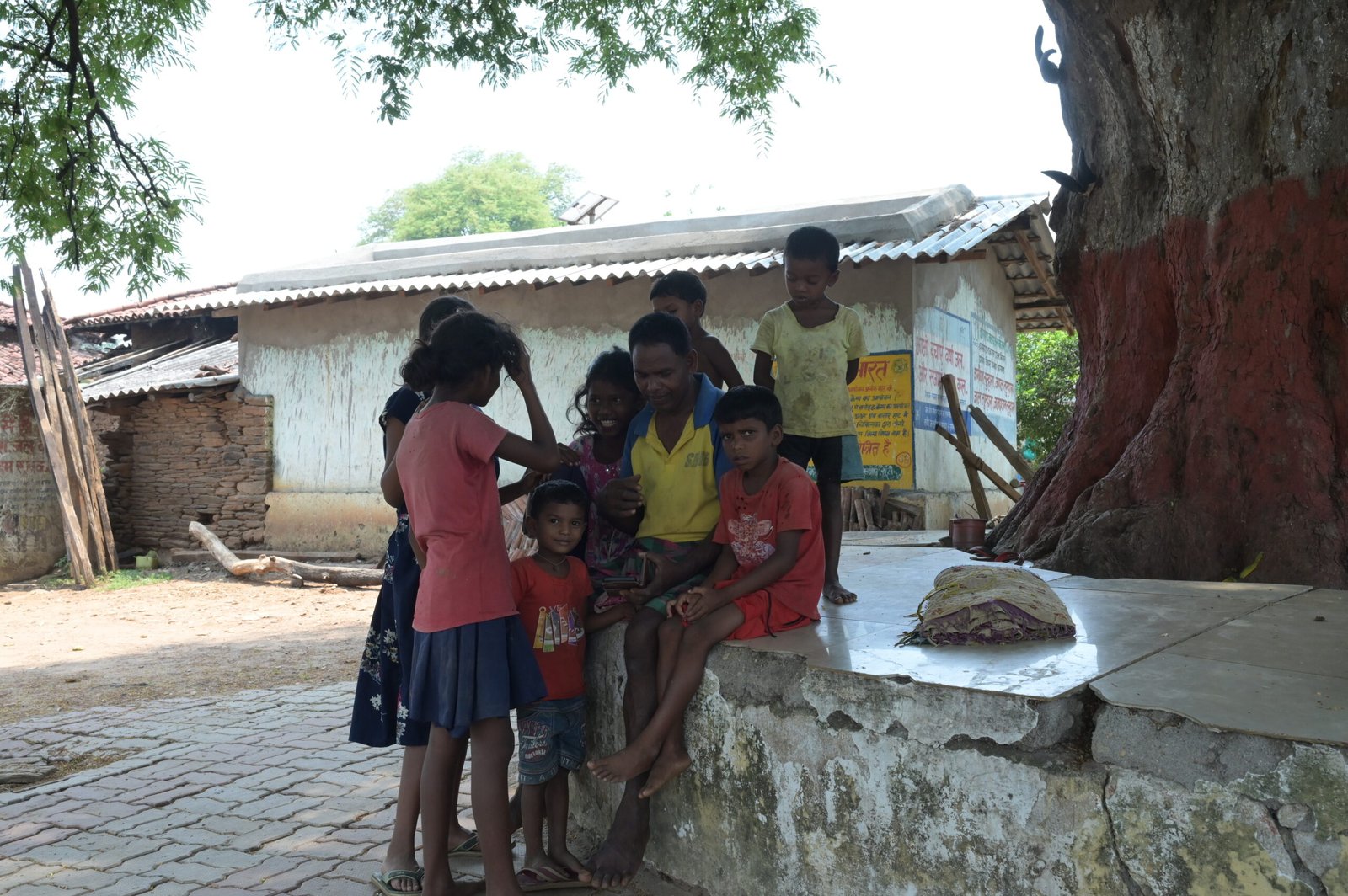
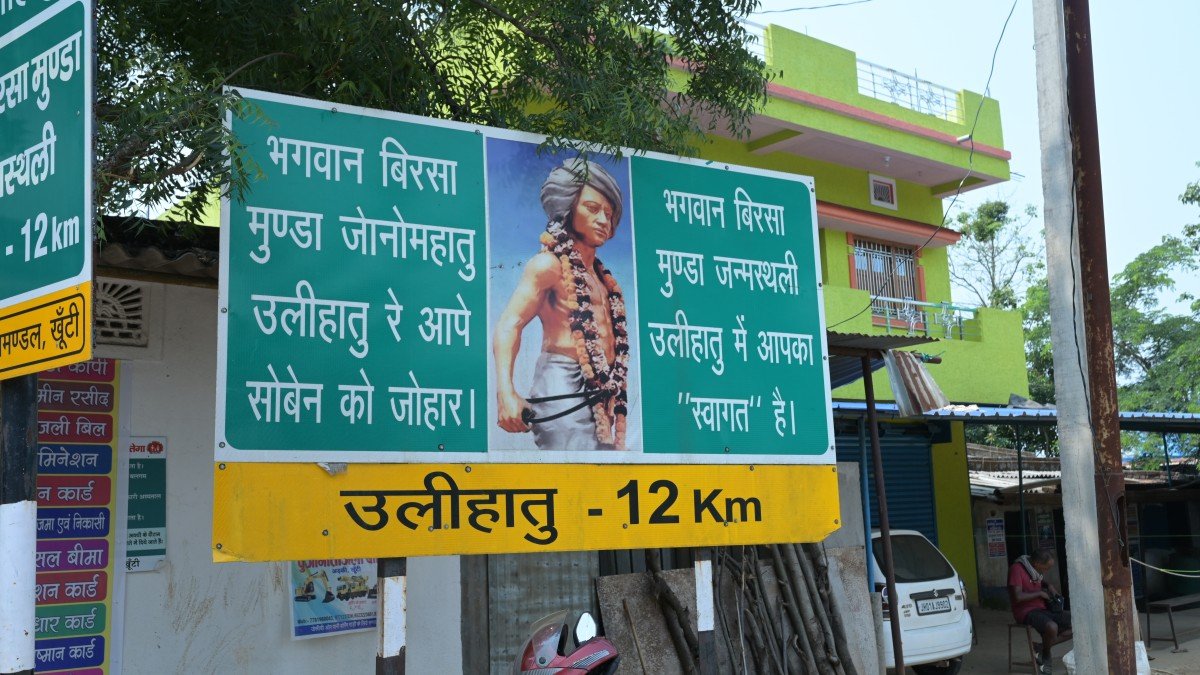
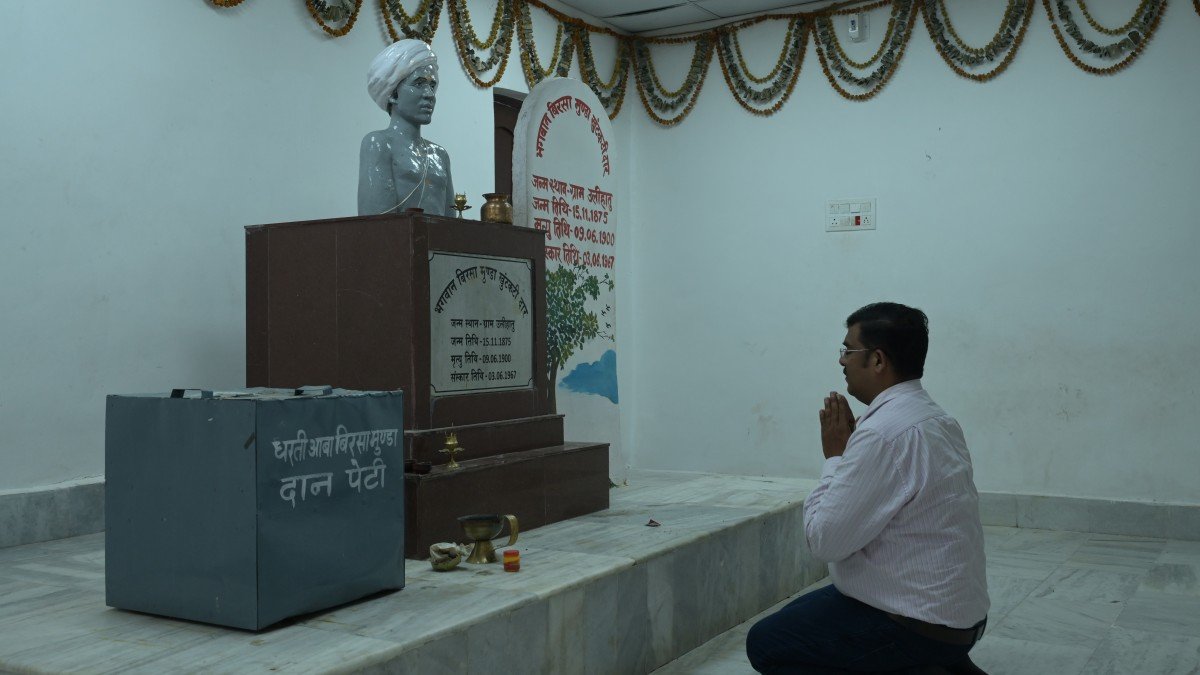
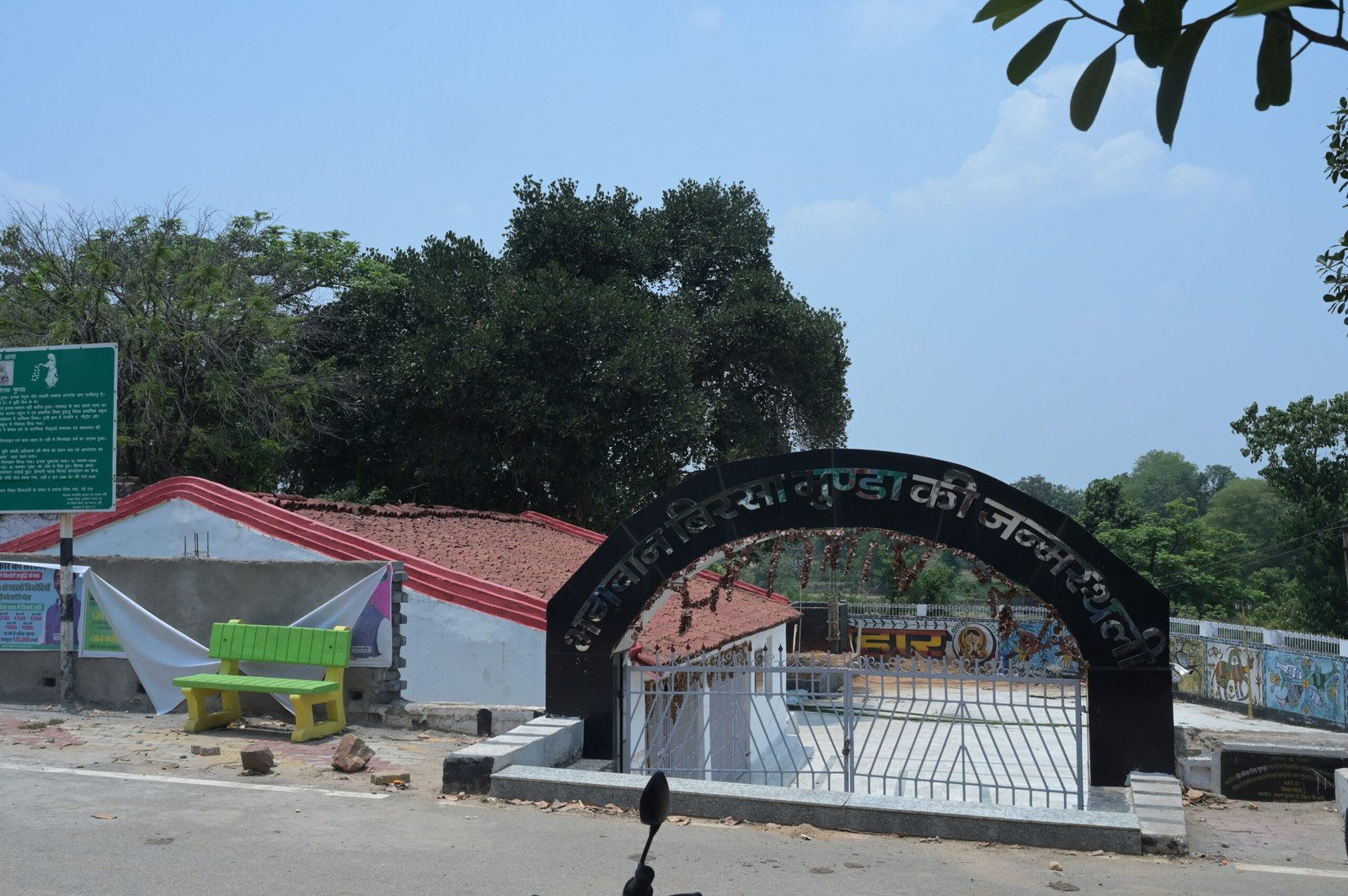
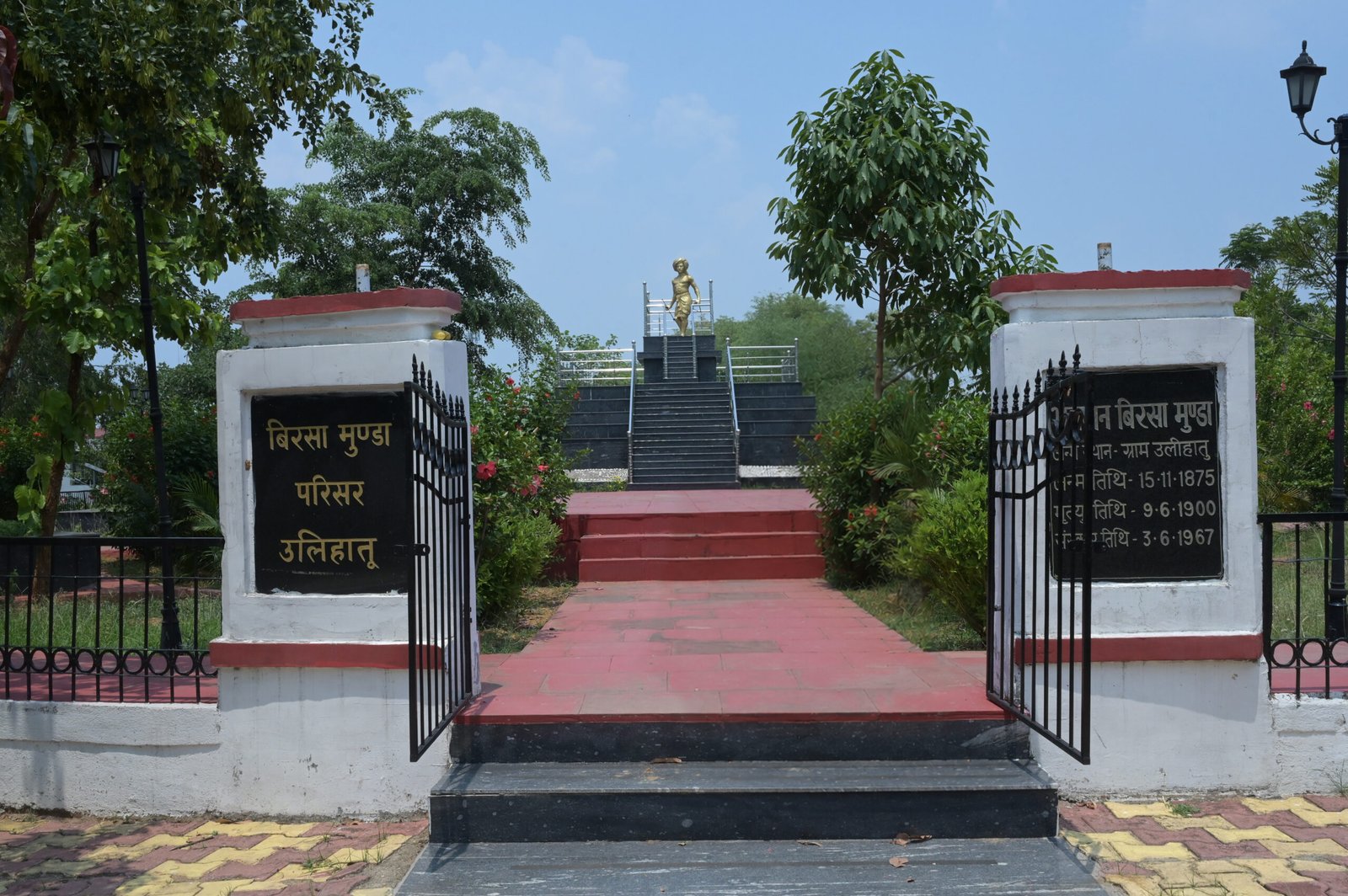
On June 9, people across India paid tribute to the revered tribal icon and freedom fighter, Bhagwan Birsa Munda, on his martyrdom day. Political leaders, social organizations, and citizens remembered his unparalleled struggle against colonial oppression and his sacrifices for the rights of indigenous communities. Yet, more than a century after his death, the descendants of the legendary leader continue to grapple with the absence of basic healthcare facilities in his ancestral village Ulihatu, Khunti district, Jharkhand.
In November 2024, Birsa Munda’s great-grandson, Mangal Munda, died while undergoing treatment following a road accident. According to a resident of Ulihatu, Birsa Munda’s birthplace village, the tragedy might have been avoided had advanced medical care been available promptly.
“Had he received better medical treatment immediately after the accident, his life could perhaps have been saved,” a villager said on condition of anonymity.
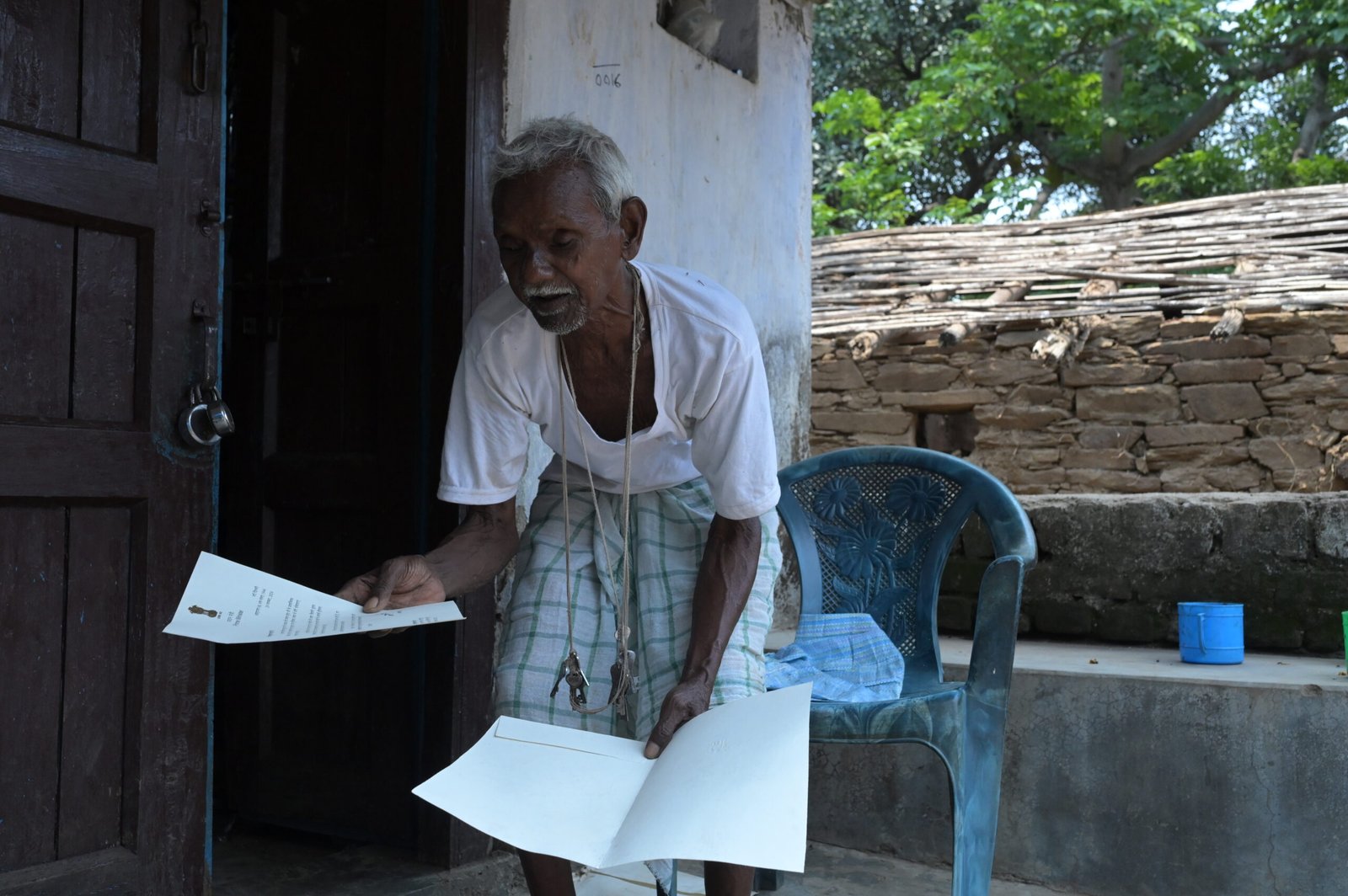
Speaking to The Observer Post, Sukhram Munda, Birsa Munda’s grandson and father of the deceased Mangal Munda, recalled the days following his son’s death. He said Prime Minister Narendra Modi had sent a condolence message to the family, which briefly raised hopes that the long-standing healthcare concerns of the region would finally receive attention.
“After my son’s death, Prime Minister Narendra Modi sent a message of condolence. At that time, we hoped that the healthcare system here would be improved. The absence of a well-equipped hospital causes immense hardship for people living in this area,” Sukhram Munda said. A copy of the condolence message is available with The Observer Post.
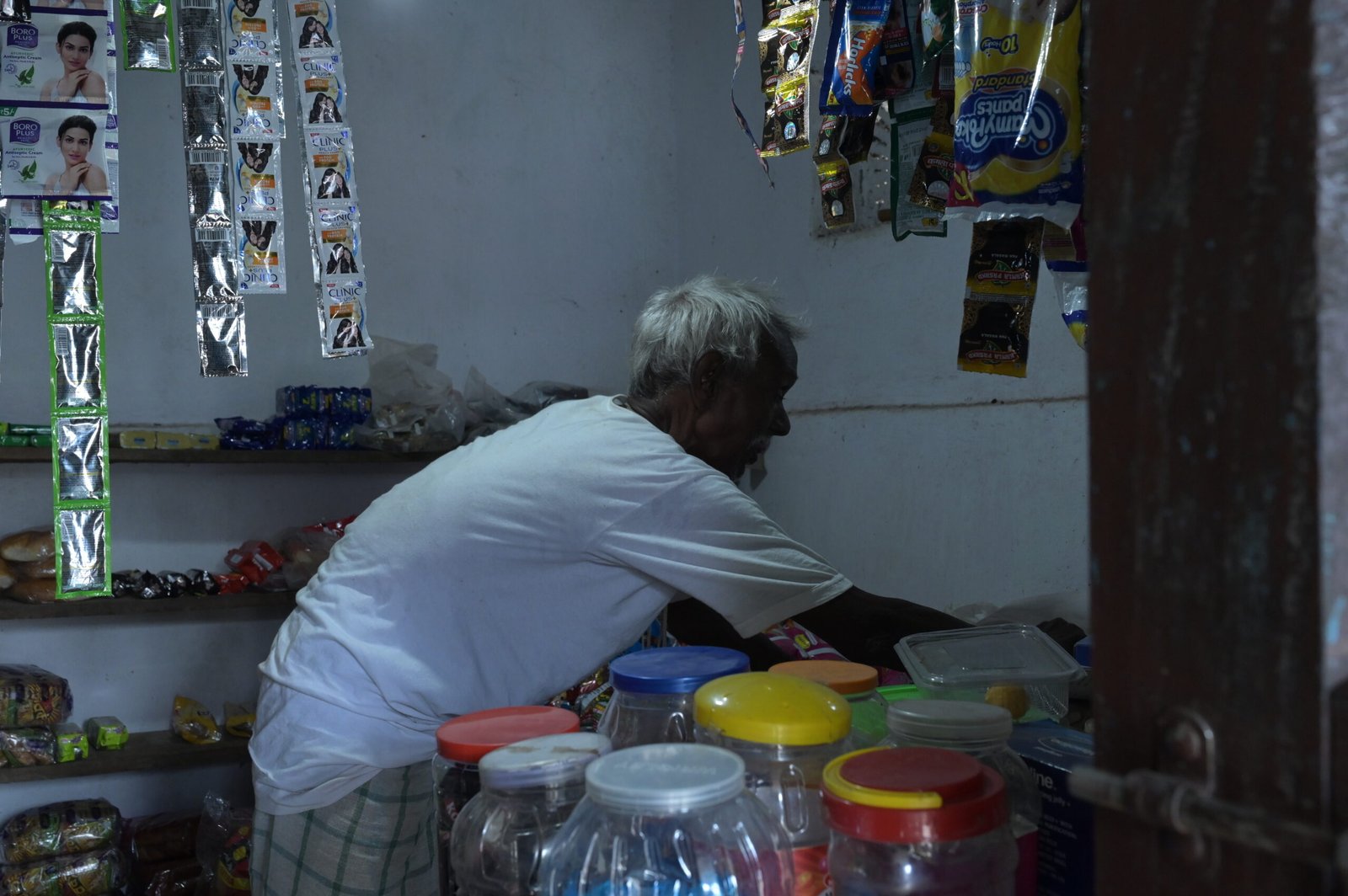
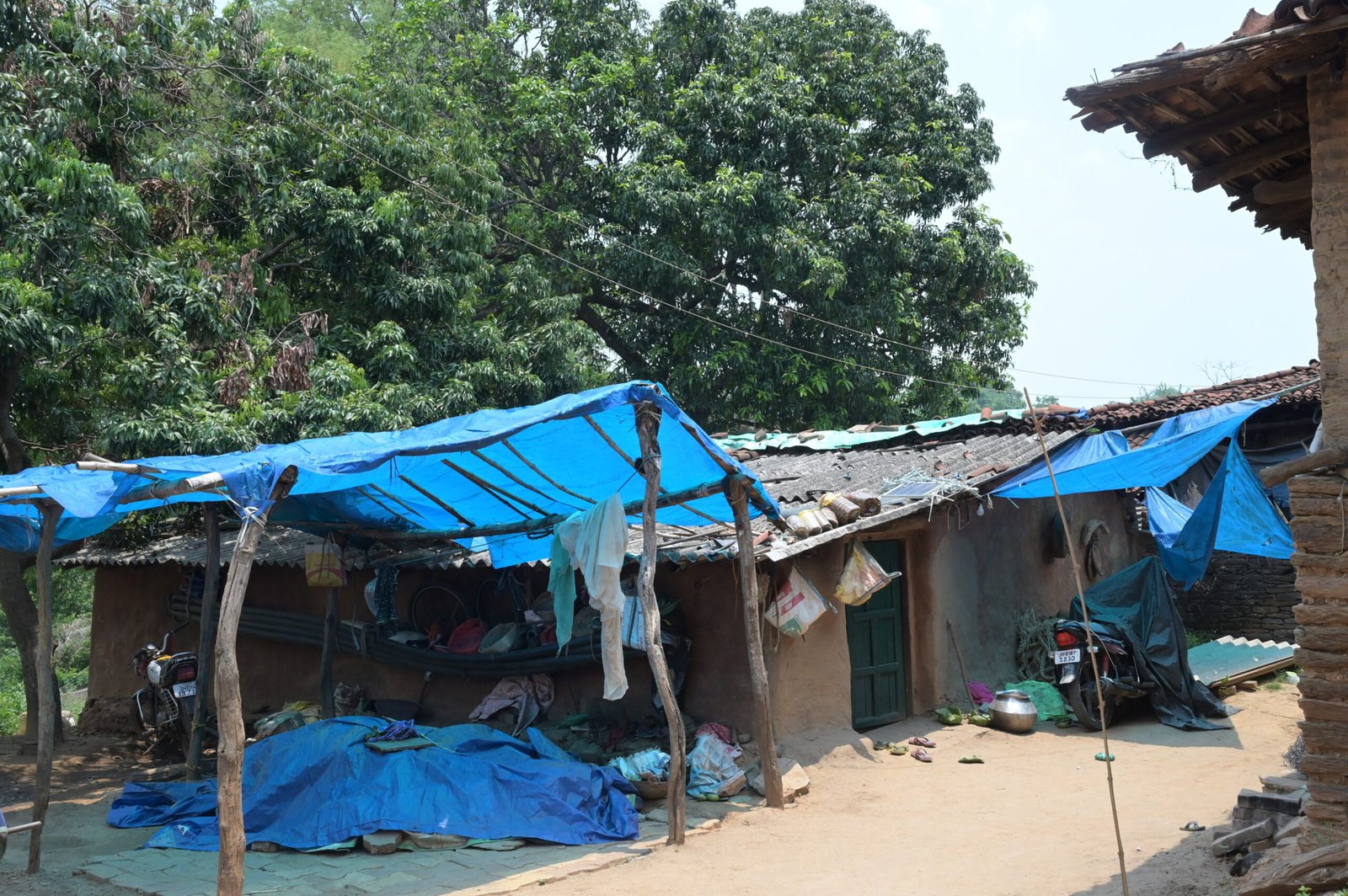
Now 85 years old, Sukhram Munda spends his days running a small grocery shop in the village and lives in a Kuccha house. Age has taken its toll—his back is bent, his hearing has weakened, and he struggles with vision-related ailments. He believes access to a proper healthcare facility could significantly improve his quality of life.
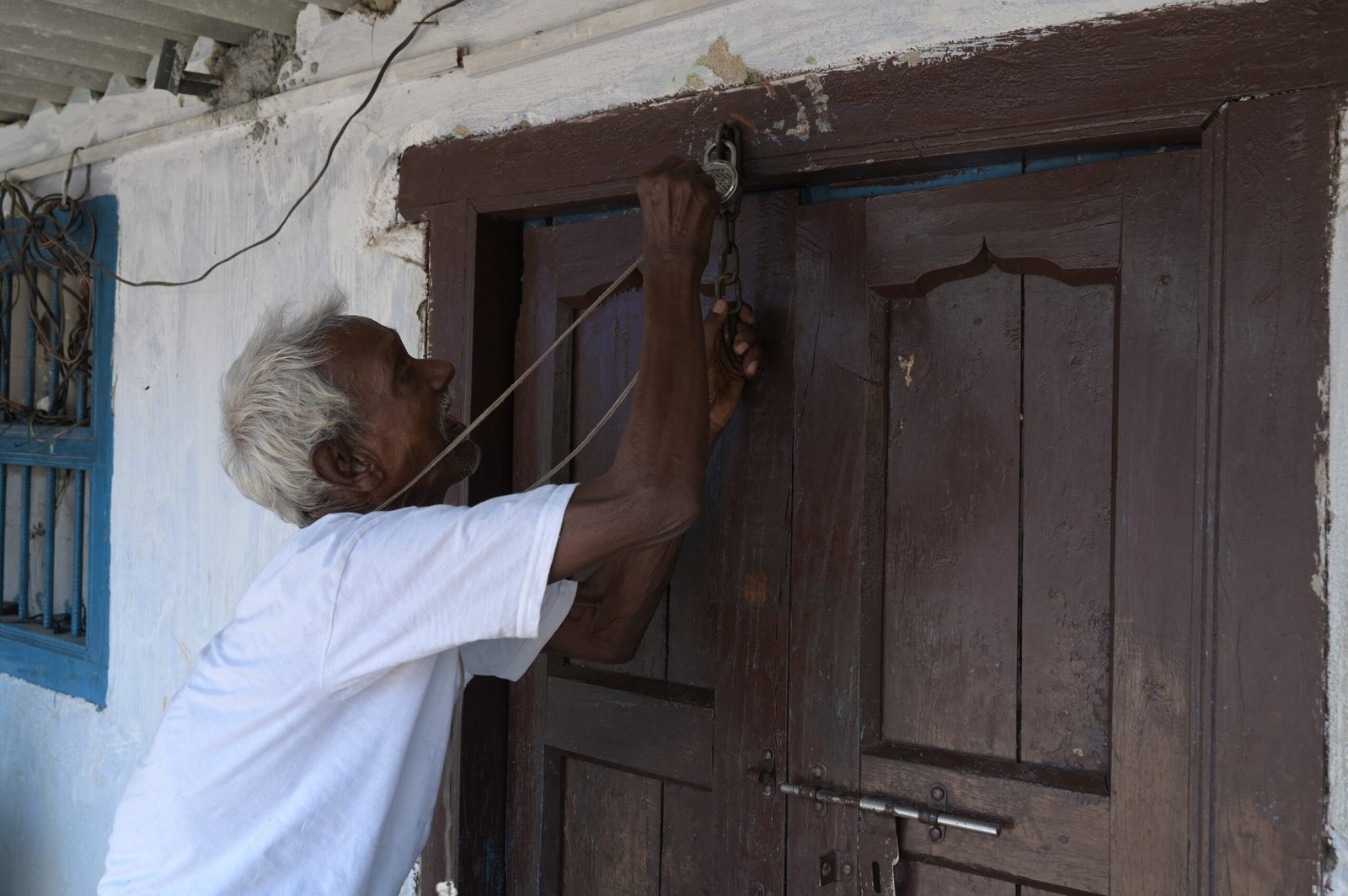
“If there were a better hospital nearby, my eyes could have been treated,” he said.
Residents say the healthcare infrastructure in Ulihatu remains severely inadequate despite the village’s historical significance. Ibda Munda, another villager, explained that while a Primary Health Centre exists near the Birsa Munda Complex, its services are limited to treating common illnesses such as coughs, colds, and minor infections.
“For emergencies or diseases such as malaria, patients have to travel either to the hospital in Arki or to the Sadar Hospital in Khunti,” he said.
The Khunti Sadar Hospital is located approximately 30 kilometres from the village. Residents say transportation remains a challenge, especially during medical emergencies, as vehicles are not always readily available.
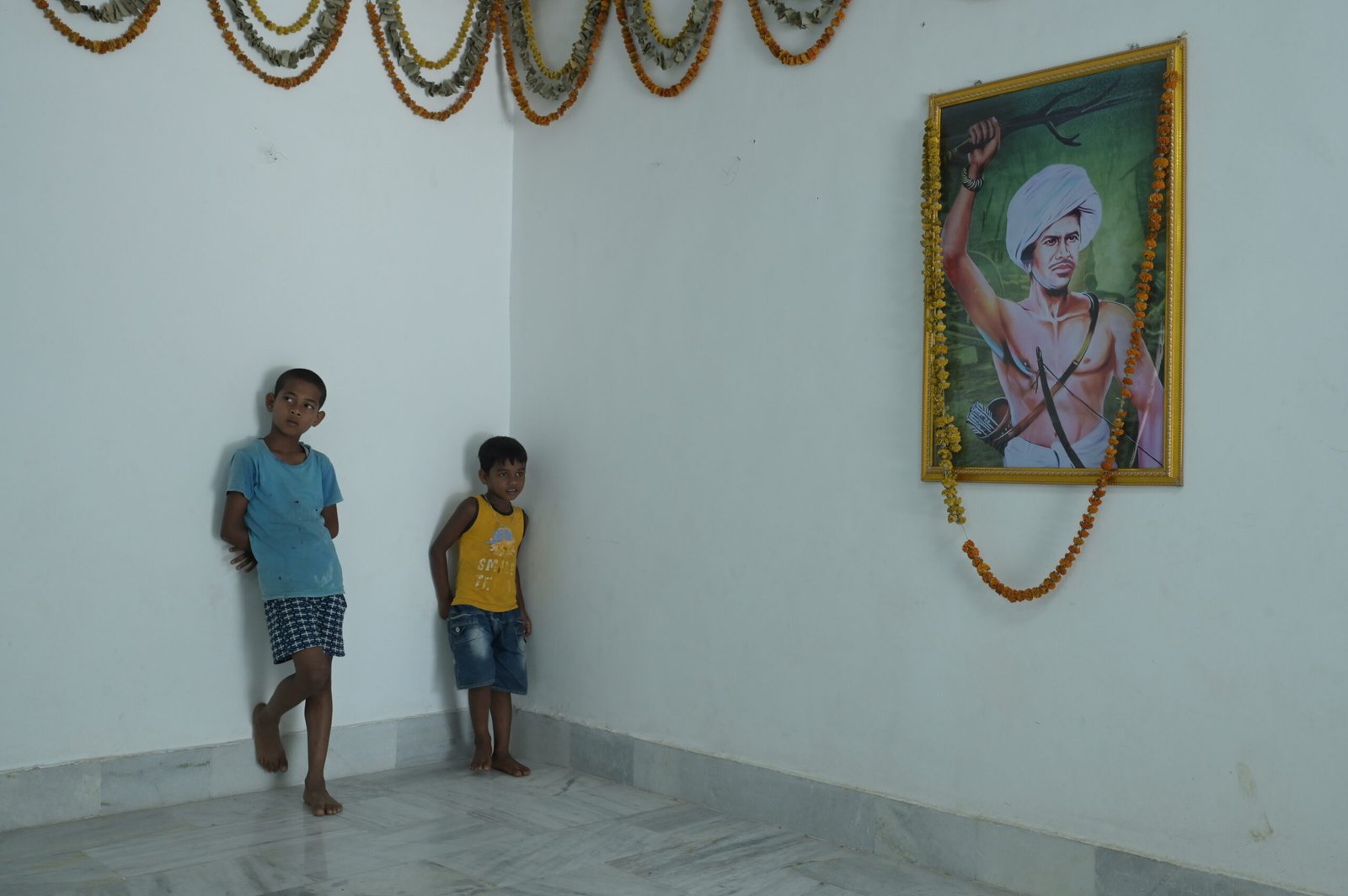
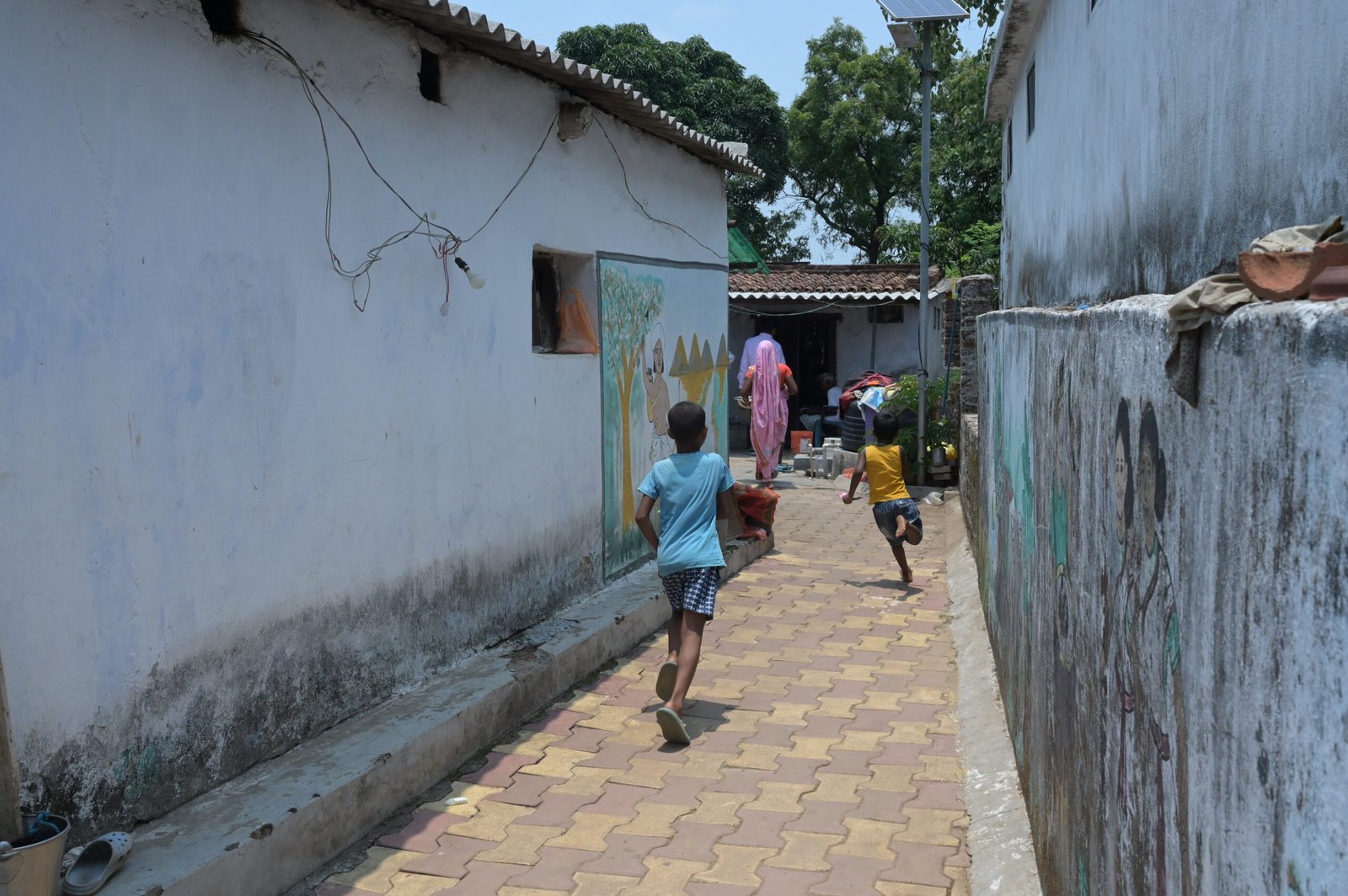
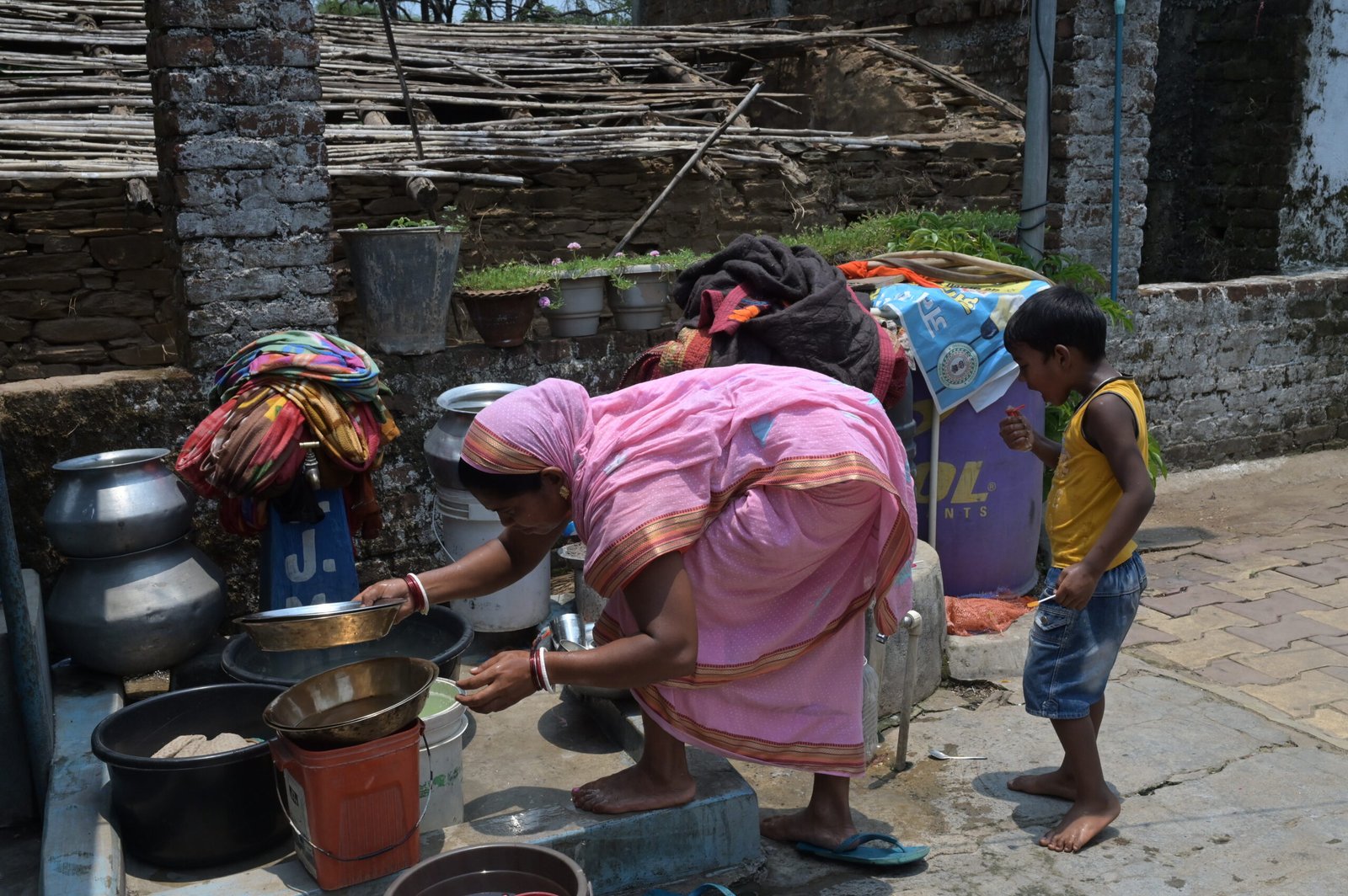
Nestled amidst forests and rolling hills, Ulihatu lies far from major urban centres. The village is inhabited predominantly by members of the tribal community, many of whom continue to live in modest mud houses. Over the years, several developmental initiatives have been undertaken by the government to improve local infrastructure. Roads connecting the village to nearby towns have been upgraded, electricity and drinking water have reached households, and a well-maintained school and library now serve the community.
However, despite these improvements, villagers argue that one crucial gap remains unaddressed: access to quality healthcare.
For the descendants of Birsa Munda and the people of Ulihatu, the absence of a well-equipped hospital stands as a stark reminder that while the nation celebrates the legacy of its tribal hero, the basic needs of those living in his birthplace are yet to be fully met.
The Observer Post attempted to reach the Chief Medical Officer of Khunti district through official contact numbers and email for comment. However, no response was received at the time of publication. This report will be updated upon receiving a response.
About Authors:
Mohd Ashraf is a Delhi-based freelance photojournalist, pursuing an MA in Convergent Journalism at the AJK Mass Communication Research Centre, Jamia Millia Islamia, New Delhi. His reporting focuses on civic issues, marginalised community, labour class and human rights.
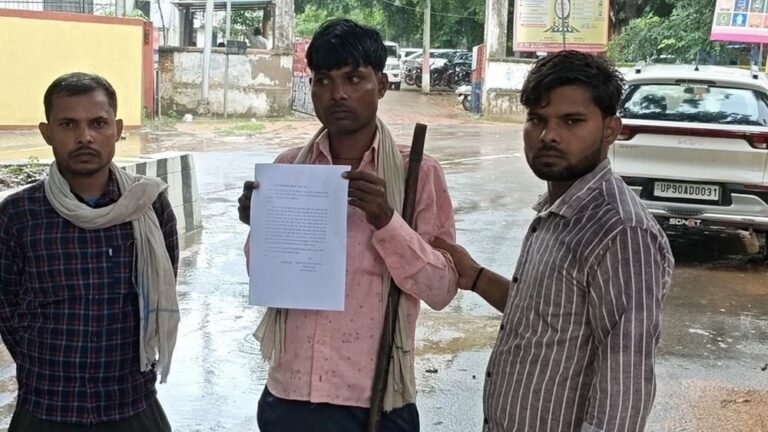
Ghulam Ahmad Raza is a Jharkhand-based freelance journalist with over four years of experience. He has worked as a City Reporter with Pratah Awaz and as a Sub Editor (web) with Prabhat Mantra. His reporting focuses on marginalised communities, forgotten histories and grassroots political narratives.