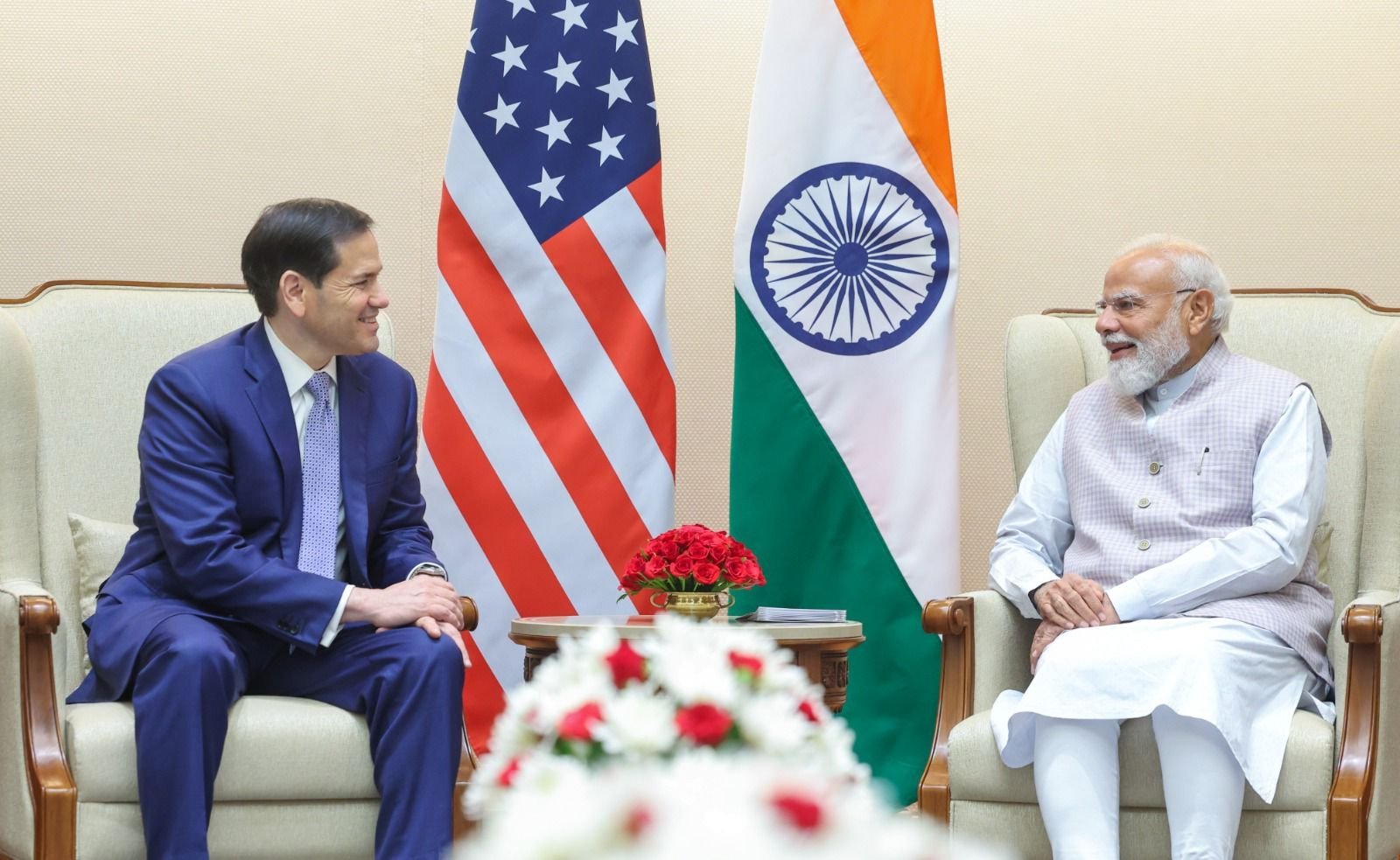
Tensions between India and the United States have escalated after three Indian mariners were killed in a US military strike on a merchant vessel near the Strait of Hormuz. External Affairs Minister S. Jaishankar raised the issue directly with US Secretary of State Marco Rubio during a phone call on Friday, reiterating India’s strong objection to attacks on commercial shipping.
Jaishankar, who is currently on a Europe visit, said India had conveyed its concern over the deaths and described the use of lethal force against civilian vessels as unjustified.
“Such lethal actions against commercial shipping are not justified,” Jaishankar said after the conversation.
Rubio Warns Against Violating US Blockade
Following the call, Rubio defended Washington’s position and said all commercial vessels operating through the Strait of Hormuz must comply immediately with orders issued by US forces.
According to a statement from the US State Department, Rubio told Jaishankar that “violations of the US blockade and illicit transport of Iranian oil will not be tolerated.”

He stressed that commercial vessels should cooperate with US naval instructions as American forces attempt to maintain what Washington described as “peace and security” in the strategically important waterway.
Three Indian Sailors Killed in Gulf Strike
The diplomatic row comes after three Indian-crewed vessels reportedly came under US military action near the Gulf of Oman amid heightened tensions linked to Iran and maritime security.
The most serious incident involved the Palau-flagged tanker Settebello, which was struck on June 10, killing three Indian sailors among the crew of 24.
Earlier, another vessel, Marivex, carrying 24 Indian seafarers, was reportedly disabled by US forces, though all crew members survived. A third tanker, Jalveer, carrying 20 Indian crew members, also came under attack later in the week.
In response, India summoned senior US diplomat Jason Meeks twice this week to formally protest the incidents.

India Questions Use of Force
India has maintained that commercial vessels should not be subjected to military strikes, especially when civilian crews are involved.
The Ministry of External Affairs reportedly conveyed to the US that attacks resulting in civilian deaths were unacceptable and raised concerns about the safety of Indian sailors working in conflict-prone shipping routes.
The Strait of Hormuz remains one of the world’s most critical oil transit routes, and tensions in the region have increased amid conflict involving Iran and US-led naval operations.
Political Reactions in India
The US response also drew criticism from Indian political leaders. Shashi Tharoor questioned the absence of regret in Washington’s official statement.
Calling the response “deeply shocking,” Tharoor said a strategic partner should have shown sensitivity over the deaths of Indian citizens.
He also questioned whether non-lethal methods could have been used to stop vessels instead of military strikes that endangered civilian crews.