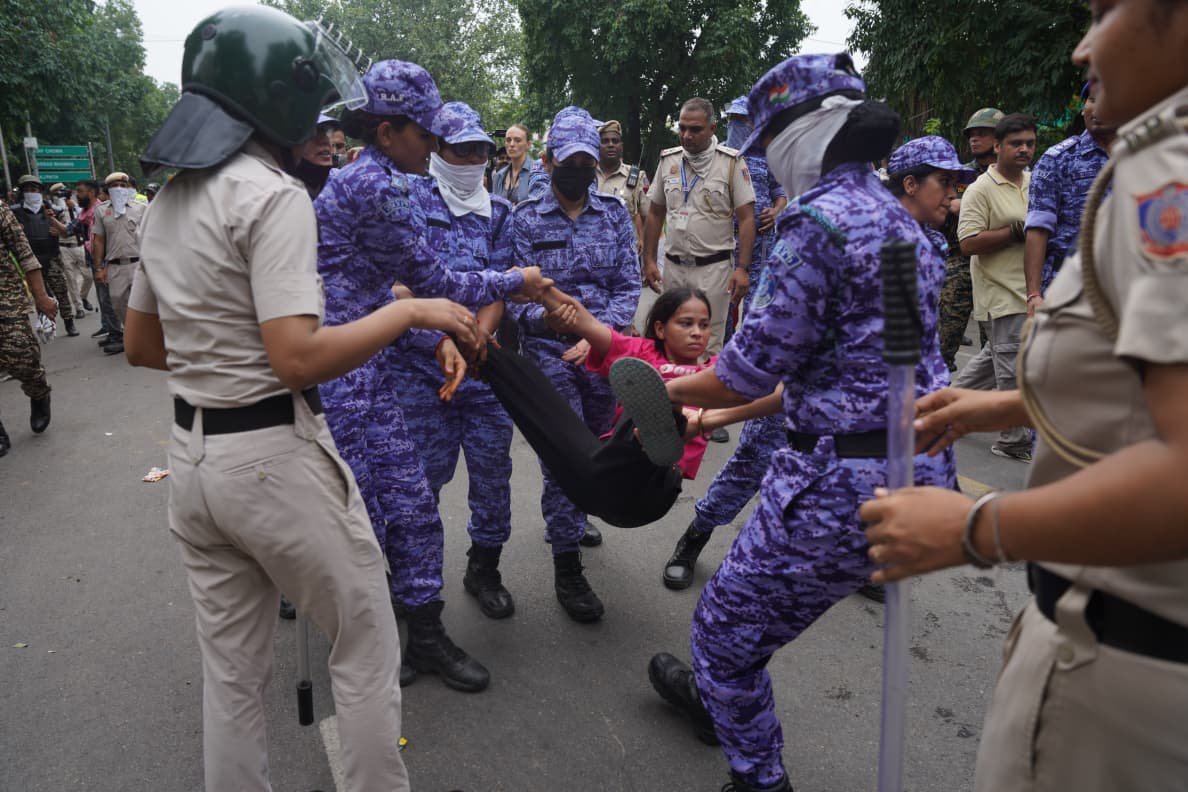
Thousands of protesters gathered in central Delhi on Monday as the Cockroach Janta Party (CJP) organised its “Chalo Sansad” march, demanding the resignation of Union Education Minister Dharmendra Pradhan over the alleged NEET paper leak and broader concerns about examination irregularities.
Although the march towards Parliament was stopped by heavy police barricades, protesters occupied large parts of Central Delhi, leading to clashes with security personnel. Police used tear gas shells and carried out baton charges after demonstrators allegedly attempted to breach barricades near Parliament Street. Several videos from the protest showed emotional confrontations between protesters and police, including students pleading with officers to allow them to march peacefully.
According to Delhi Police, around 70 protesters were detained, while officials claimed more than 50 police personnel were injured during the clashes. Police alleged that protesters displayed “unruly, violent and aggressive behaviour” and damaged police vehicles and public property. Authorities said legal action has been initiated and investigations are underway.
Security Tightened Under Section 163 BNSS
Ahead of the Monsoon Session of Parliament, Delhi Police had imposed prohibitory orders under Section 163 of the Bharatiya Nagarik Suraksha Sanhita (BNSS), prohibiting assemblies of five or more persons in the New Delhi district except at Jantar Mantar with prior permission.
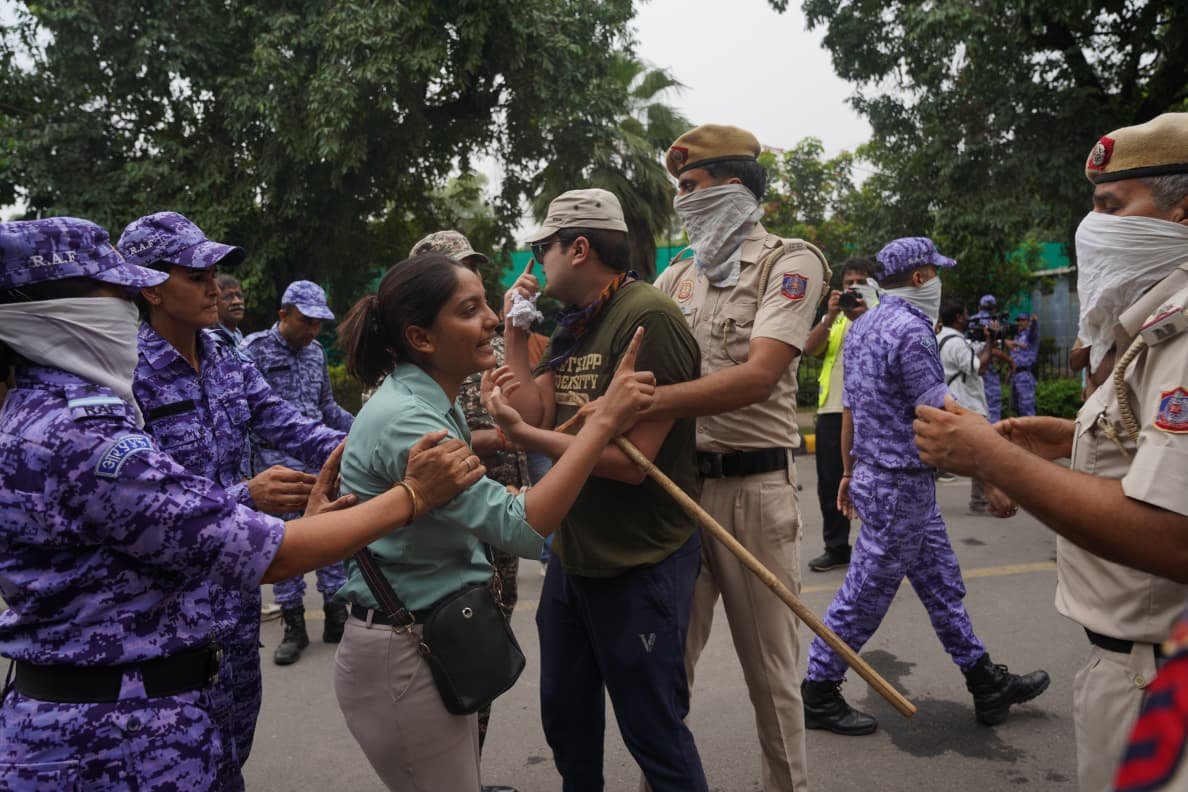
Heavy security arrangements were made across Parliament Street, Central Vista, Connaught Place and adjoining areas. Multi-layered barricades, CCTV surveillance, vehicle checks and rapid response teams were deployed to prevent protesters from reaching the high-security zone around Parliament.
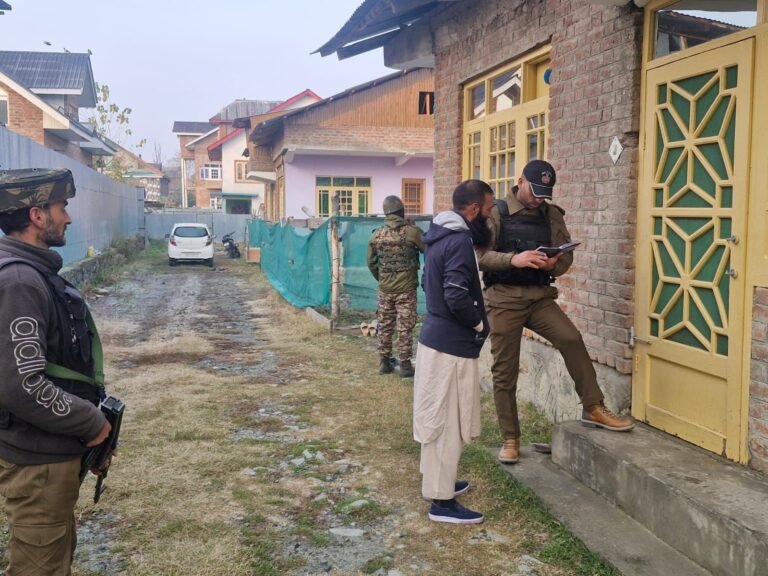
Police maintained that the CJP had not sought permission for the proposed march and warned that violations of prohibitory orders would invite legal action.
CJP Meets JP Nadda, But Protest Continues
During the day, a delegation of CJP leaders met Union Health Minister and BJP president J.P. Nadda at his residence after the government reportedly reached out to the organisation.
CJP spokesperson Ashutosh Ranka said the delegation presented three demands before the minister: the immediate release of Sonam Wangchuk from hospital care, the resignation of Union Education Minister Dharmendra Pradhan, and ₹1 crore compensation for the families of NEET aspirants who allegedly died by suicide.
According to the CJP, Nadda assured the delegation that he would discuss the demands internally and appealed to protesters to end the agitation. However, hours later, Ranka said no concrete response had been received from the government and announced that the protest would continue until Pradhan resigned.
Sonam Wangchuk Extends Hunger Strike
Activist Sonam Wangchuk, who has been on an indefinite hunger strike for over three weeks, announced that he would continue his fast after witnessing what he described as police brutality against peaceful protesters.
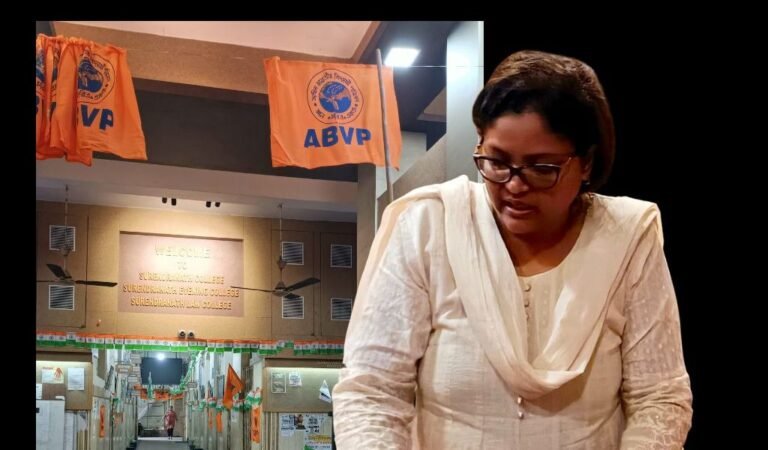
In a handwritten statement issued from Safdarjung Hospital, Wangchuk said he would end his fast only if youth leaders were allowed to meet Members of Parliament inside Parliament or if he was permitted to meet them at the hospital. He also reiterated his demand that the government fix accountability for alleged failures in the education system, including examination paper leaks.
Meanwhile, the Delhi High Court sought Wangchuk’s latest medical reports while hearing a petition filed by his wife seeking his transfer to a private hospital. The matter is scheduled for further hearing on Tuesday.
Opposition Slams Police Action
The police action triggered sharp political reactions from opposition parties.
Leader of Opposition Rahul Gandhi accused Prime Minister Narendra Modi of being “the most anti-youth Prime Minister in India’s history”, alleging that the government had failed students while protecting those responsible for examination paper leaks. He criticised the use of tear gas and lathi-charge against protesters, calling their demands legitimate.
Congress leader Priyanka Gandhi Vadra also condemned the police action, saying Parliament belongs to the country’s youth and that the government should engage with students rather than suppress their voices.
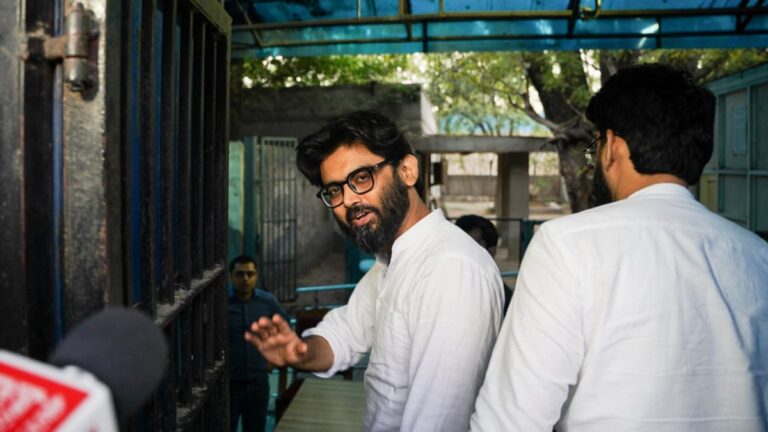
Aam Aadmi Party chief Arvind Kejriwal appealed to the Centre to “listen to the youth instead of beating them”, while Punjab Chief Minister Bhagwant Mann echoed similar concerns. Samajwadi Party alleged that several of its leaders, including MP Dimple Yadav, were detained while marching in solidarity with the protesters.
Solidarity Protests Held Across India
The agitation also spread beyond Delhi, with solidarity demonstrations taking place in Mumbai and Ahmedabad.
In Mumbai, protesters gathered at Chaityabhoomi and outside Mumbai University demanding Dharmendra Pradhan’s resignation and expressing support for Sonam Wangchuk. Several protesters, including political activist Fahad Ahmad, were detained by police.
In Ahmedabad, around 150 demonstrators were detained after staging a protest without permission. Protesters accused the government of suppressing democratic dissent and demanded accountability over repeated examination paper leaks.
Despite the police crackdown and dismantling of the protest stage at Jantar Mantar, CJP leaders maintained that the agitation would continue until the government addressed their demands, with Dharmendra Pradhan’s resignation remaining at the centre of the movement.