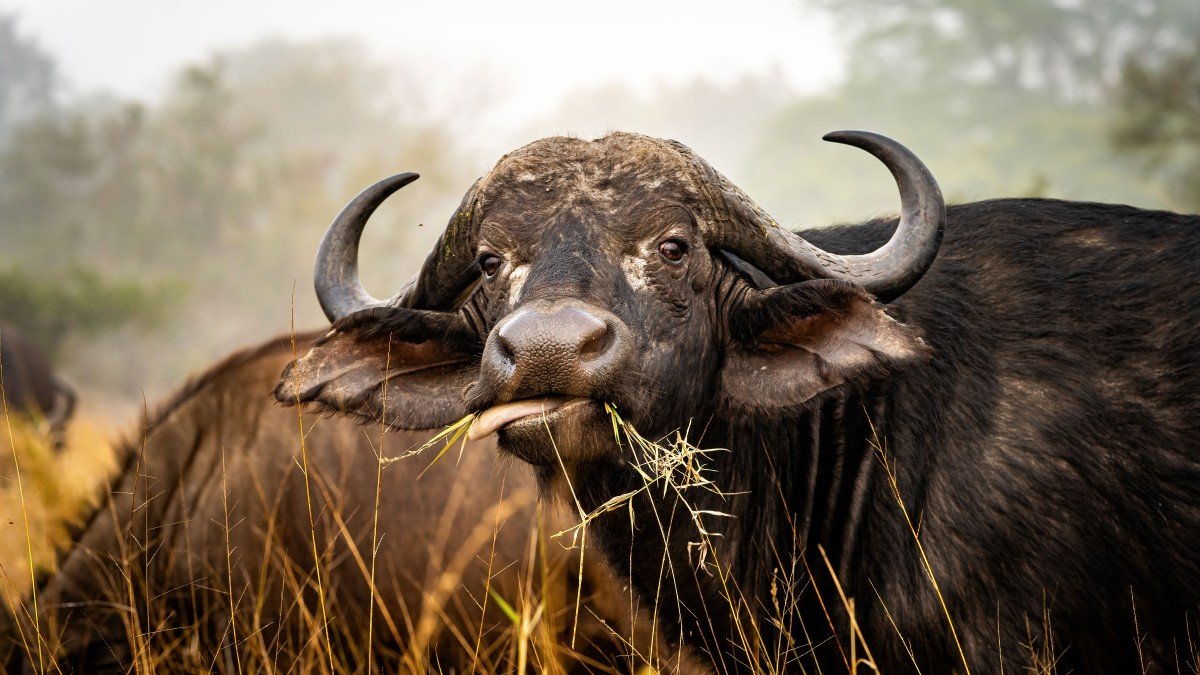
India’s buffalo meat exports crossed the $5-billion mark for the first time in 2025-26, making buffalo meat the country’s best-performing agricultural export item, according to government data.
Exports rose 25.6% to around $5.1 billion in 2025-26, up from $4.06 billion a year earlier. The momentum has continued in the current financial year, with exports estimated at nearly $1.5 billion between April and June 2026, a 66.6% increase from $896.8 million during the same period last year.
A Commerce Ministry official said India was now on track to cross $6 billion in buffalo meat exports in 2026-27 if the current pace continues.
The growth has not only been driven by higher volumes but also by a significant increase in the value realised per tonne. The average export value rose from around $3,236 per tonne in 2024-25 to $3,591 in 2025-26, before reaching $4,392 per tonne in the April-June 2026 quarter.
Buffalo meat, commonly referred to as “carabeef” in international markets, accounts for about 79.4% of India’s total animal-product exports, according to the figures provided.

Growing overseas demand
India has also expanded its export markets. While Vietnam accounted for around 45% of Indian buffalo meat exports in 2014-15, its share has declined as demand from other countries has increased.
Malaysia, Egypt, the UAE, Saudi Arabia and Vietnam are among the major buyers, while markets such as Uzbekistan, Russia, Georgia, Jordan, Oman and the Philippines have also emerged or expanded.
Exporters have attributed the rise in prices to improvements in processing standards, product quality and access to new overseas markets. The price gap between Indian buffalo meat and Brazilian beef has reportedly narrowed considerably.
Link with the dairy sector
The buffalo meat trade is closely connected to India’s dairy industry. Indian rules prohibit the export of meat from cows, bulls and calves, while boneless buffalo meat can be exported subject to regulations.
The animals entering the meat supply chain generally include older, low-yielding or otherwise unproductive buffaloes. Farmers can sell these animals and use the proceeds to purchase younger, higher-yielding animals, creating an additional source of income for dairy households.
With India’s buffalo population estimated at around 110 million, the expanding export market provides a recovery value for animals that have reached the end of their productive dairy cycle.
The surge in exports therefore reflects not only growing international demand for Indian buffalo meat but also the economic link between the dairy, livestock-processing and agricultural export sectors.