Hridbina Chatterjee
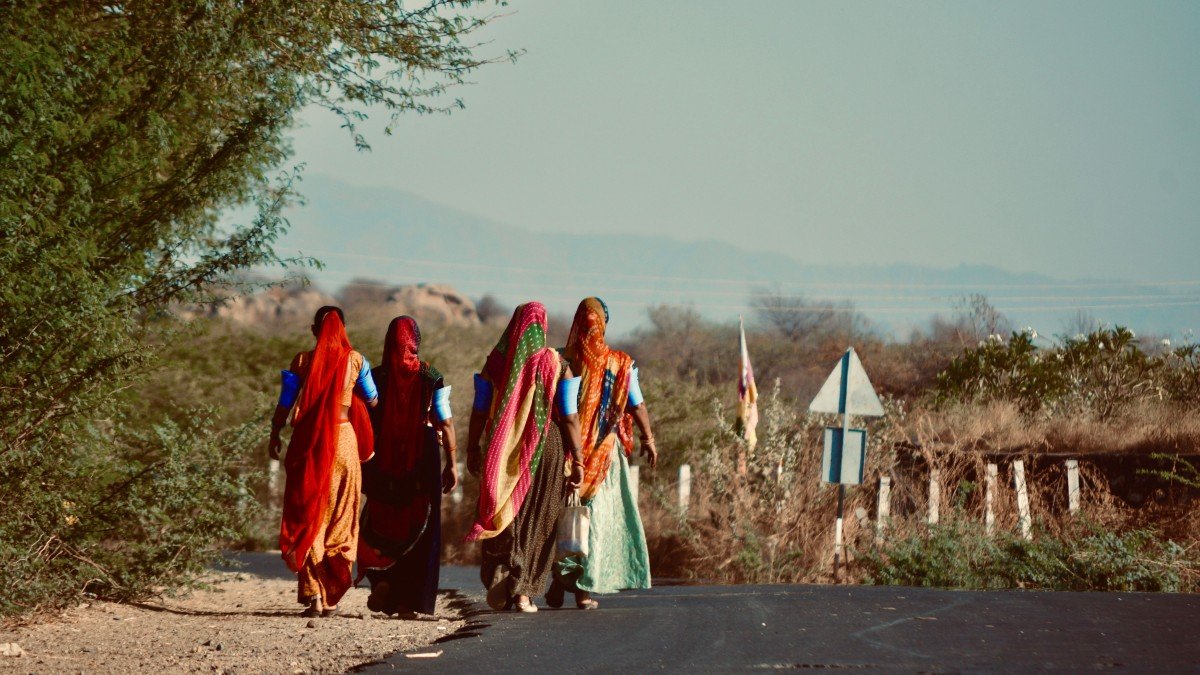
In the vast, densely forested belts of Central India, the connection between Indigenous communities and their surrounding ecosystems is not a romantic abstraction; it is the absolute foundation of daily economic survival and social identity. For generations, Tribal women have served as the primary custodians and economic backbone of these forest economies. Their daily labour—gathering Non-Timber Forest Produce (NTFP) such as mahua flowers, tendu leaves, medicinal herbs, and seasonal produce—provides critical subsistence and household income. Beyond mere collection, women manage intricate traditional knowledge systems regarding ecological sustainability, biodiversity conservation, and communal water management.
This fragile socio-ecological environment is being rapidly and violently disrupted. With the advent of commercial resource extraction in the form of industrial mining projects, major infrastructure development, as well as erratic climate-related weather patterns affecting Central India, environmental destruction and land acquisition are resulting in the forcible evacuation of tribal people from their lands as never before. As forests are being cut or legally restricted, the burden is being felt first and foremost by women whose autonomy is based on land. Systematic devastation of the three J’s—water, forest, and land—is something more than simple ecological loss or statistics about forest cover; it is a form of sudden, gender-based deprivation of tribal women of their self-sufficiency. Their position in society is taken away, and they are left in a socio-economic crisis.
From Ecological Self-Reliance to Precarity: The Downward Spiral of Distress Migration
When customary forest-based livelihoods are rendered unsustainable through environmental destruction or displacement, Indigenous families face the necessity to migrate for survival towards the edges of cities or industrial areas. In that transition phase, Indigenous women suffer an immense loss of social status and power. Once they lose their accepted positions as the independent administrators of forest resources, they enter the urban and peri-urban informal economy as the lowest-level workers in the socio-economic hierarchy.
The displacement of tribal women has invariably led them to unregulated sectors without any formal education or certification, depriving them of the safety net of any organisation. Most of them are employed either as construction workers, brick kiln labourers, domestic workers, or sanitation workers. All of these industries pay less than the minimum wage and do not follow safety rules and regulations. The transformed economic agency in their own villages, however, puts them in a position of total vulnerability, as they face dual kinds of wage discrimination compared to men, suffer from the threat of exploitation, and face the direct risk of maltreatment in workplaces. The women have undergone a transformation from being economically active and self-sufficient in the forest to experiencing serious exploitation in the form of daily wage labour.
Institutional Failures, Disrupted Kinship, and the Health Deficit
Beyond the immediate collapse of income, the societal fallout of environmental displacement systematically destroys the informal support networks that historically protected Indigenous women. In traditional Tribal settings, collective labour practices, shared childcare, and village-level decision-making bodies like the Gram Sabha offered women a safety net against domestic and economic shocks. Displacement fragments these tight-knit kinship networks, isolating women in unfamiliar, hostile environments where community solidarity no longer functions.

This social fragmentation leads to serious health conditions and a nutritional crisis that mostly goes overlooked. Displaced hinterlands on the urban fringes are areas that often lack fundamental civic infrastructure essential for human livelihood, including safe drinking water, sanitation, and proper housing. As a result of the destruction of dietary diversity that has its roots in forest products and indigenous crops, displaced women and children begin to suffer malnutrition because all cheap staple foods are poor in micronutrients. They stick to the cultural norm that forces women to eat the least, allowing the rest of the family to get something to eat, leading to a situation where they become anaemic and are exhausted by childbearing. Moreover, state welfare services such as the Public Distribution System (PDS) and schemes providing healthcare for rural residents may be rigidly designed and lead to their invisibility when it comes to the coverage of entitled migrants, thus limiting their access to the provided services.
Reframing Development: Demanding Structural Accountability and Gender Justice
Dealing with the silent disaster of environmental displacement necessitates a long-overdue rethinking of how climate policy, land acquisition, and industrial development are discussed in mainstream discourse. Through their typical approach to reporting on land-use issues, journalists and policymakers present environmental loss as if it is solely a question of macroeconomic indicators, corporate investment goals, or overall reforestation achievements. Thus, they eliminate the human aspect of dislocation and ignore the specific trauma suffered by Indigenous women on the ground.
True rehabilitation for displaced Tribal communities cannot be achieved through token cash compensation or temporary, under-resourced resettlement colonies that fail to restore sustainable livelihoods. Policy frameworks must fundamentally recognise Indigenous women not as passive victims of environmental change, but as primary rights-holders with legal claims to forest resources, land titles, and participatory decision-making under laws like the Forest Rights Act (FRA). Reclaiming justice demands that environmental impact assessments strictly evaluate the long-term gendered consequences of resource extraction before projects are cleared. Until development models integrate gender-sensitive rehabilitation, protect informal labour rights, and respect customary land governance, the social and economic costs of modern industrialisation will continue to be paid by the most vulnerable women in Central India.
Hridbina Chatterjee is a policy analyst, author, and researcher with research experience in South Asian geopolitics, maritime security, diplomacy, and climate governance. To date, she has authored over 50 published articles across prominent national and international platforms.