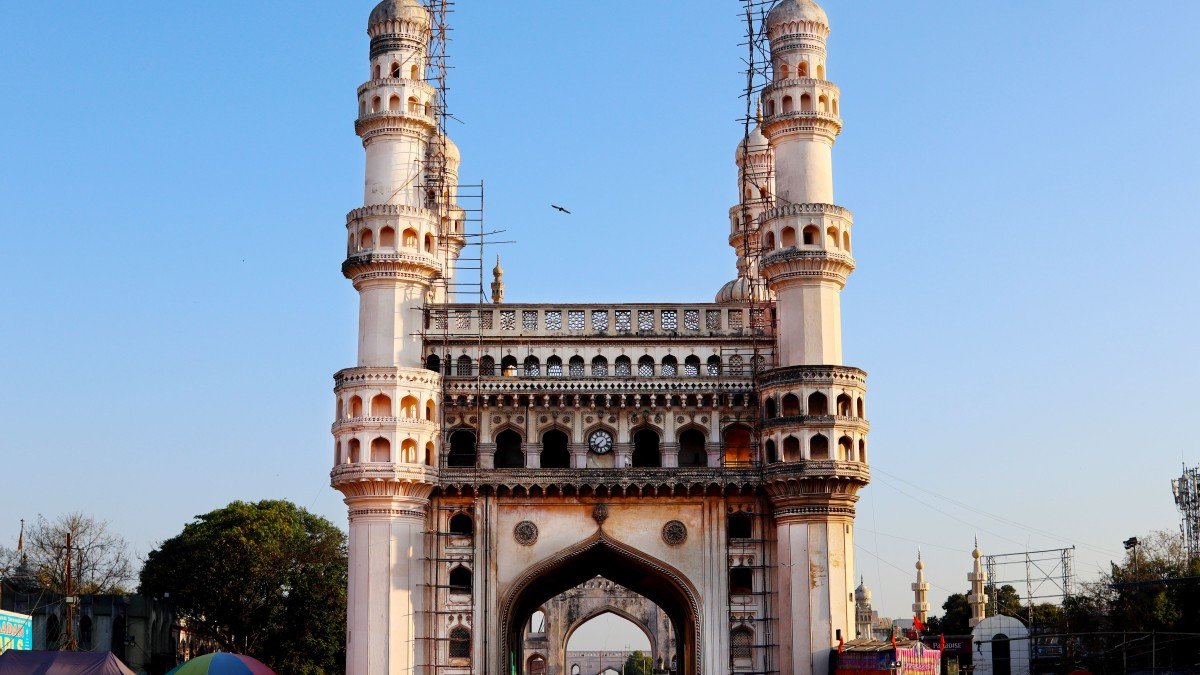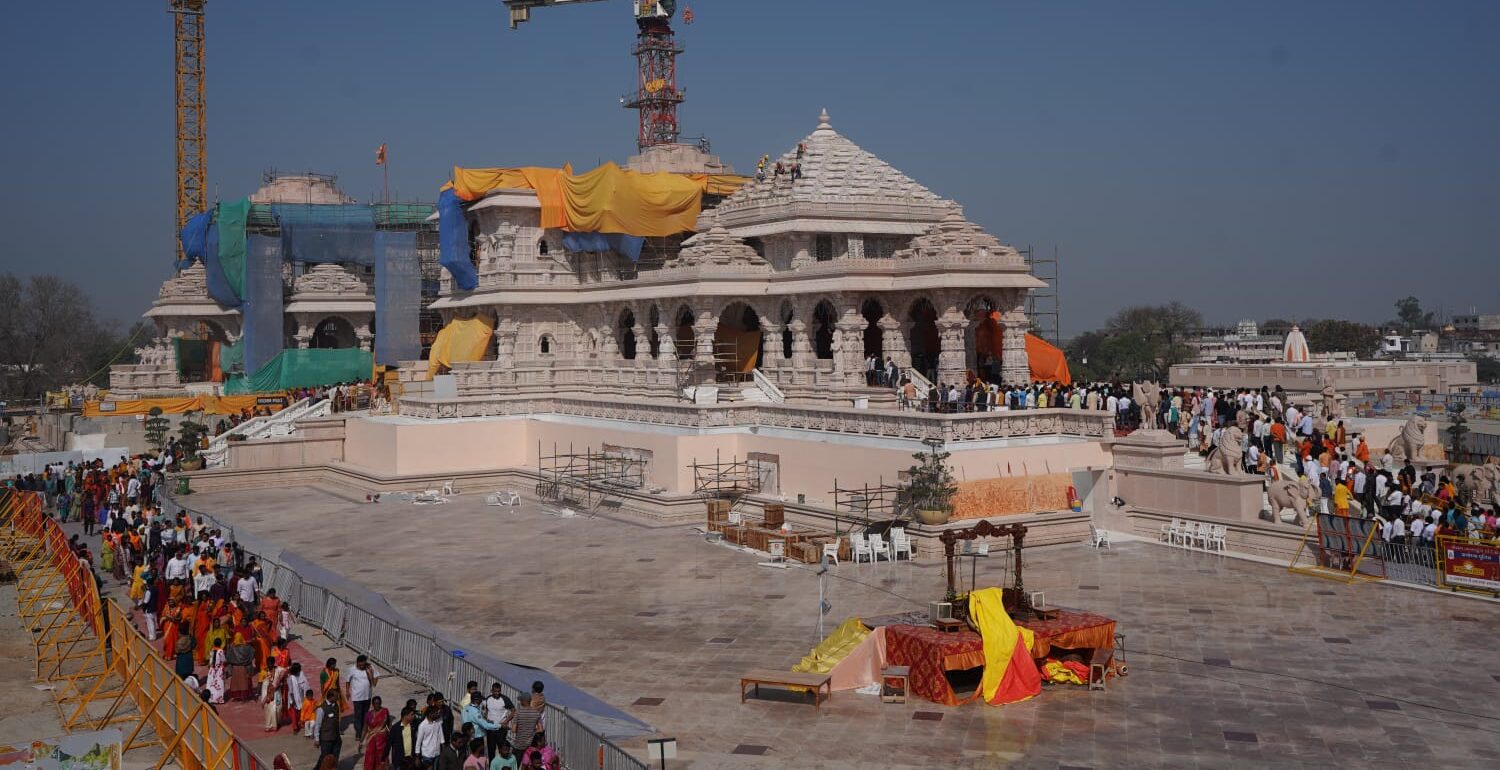
Journalist Abhishek Upadhyay has approached the Supreme Court alleging that Ghaziabad Police sought his digital data from social media platform X in connection with a road-rage case. He said the move could expose the identities of sources who provided information for his reports on alleged embezzlement of donations at Ayodhya’s Ram temple.
Police Sought Data From June 1
During the hearing on Tuesday, Upadhyay’s lawyer, Anoop P Awasthi, told a bench led by Chief Justice Surya Kant that X had informed the journalist that the police were seeking his “digital footprint” from June 1.
The lawyer argued that the police’s request for historical digital information was unrelated to the road-rage case, which allegedly took place on August 18.
“The FIR concerns an alleged incident of Aug 18, yet the investigating agency seeks the petitioner’s IP and account-related information from June 1,” Upadhyay said in his application.
He argued that no connection had been shown between the alleged incident and the sweeping request for months of digital data.
Journalist Fears Sources Could Be Exposed
Upadhyay’s lawyer said the data sought by the police could reveal the identities of people who shared information with the journalist while he was reporting on the alleged misuse or embezzlement of donations at the Ram temple in Ayodhya.
Awasthi argued that handing over such information to the police could violate Upadhyay’s right to privacy and compromise the confidentiality of his journalistic sources.
“All my journalistic sources would be at the mercy of the state machinery and subject to harassment,” the lawyer was quoted as saying.
Upadhyay was among the journalists who reported on the alleged irregularities involving donations at the Ram temple.
SC Had Earlier Protected Journalist From Arrest
The digital-footprint plea comes days after the Supreme Court granted Upadhyay protection from arrest in the road-rage case.
The FIR was registered following a complaint by a two-wheeler rider, who alleged that Upadhyay hit his vehicle from behind and later threatened and abused him. The FIR also invoked provisions of the Scheduled Castes and Scheduled Tribes (Prevention of Atrocities) Act.
Upadhyay has denied the allegations and claimed that the case was filed to harass him because of his reporting on alleged corruption in Uttar Pradesh.
During the August 25 hearing, he told the Supreme Court that CCTV footage from the location would support his version of events and sought preservation of the footage.
Chief Justice Surya Kant said the court could understand the journalist’s apprehension, while noting that it could not determine the truth of the allegations at that stage.
The Supreme Court directed the police to provide Upadhyay with a copy of the FIR and asked him to approach the High Court if he wanted the case quashed.
Fresh Plea To Be Listed
On Tuesday, the Supreme Court noted that it had already protected Upadhyay from coercive action in the road-rage case on August 25.
The bench said the journalist’s fresh application concerning the alleged collection of his digital data would be listed for hearing in due course.
The road-rage case is scheduled for further hearing on September 7.