Baharina Tanweer
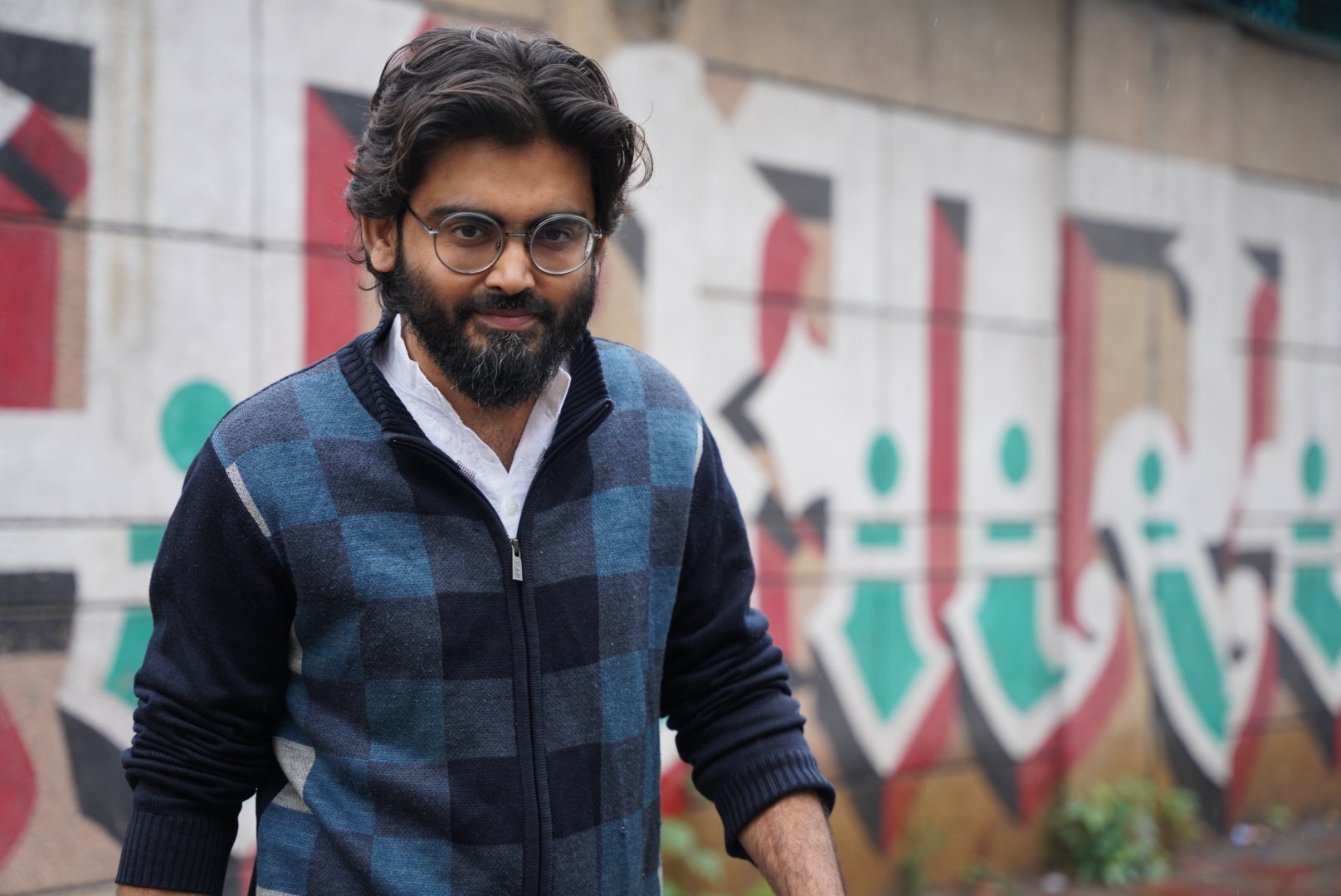
I remember it was my birthday eve when Sharjeel Imam was arrested for his alleged involvement in the Delhi riots. Six years have passed since, and my birthdays have never felt the same. His incarceration lingers at the back of my mind throughout the year, but every 28th of January brings a sharper, more personal reminder of one of the darkest moments for those who stood against CAA-NRC.
This, however, is not an article about my personal grief. It is about the collective conscience of Indian Muslims, and of those who claim to stand with political prisoners.
I closely follow public discourse, both online and offline, around Umar Khalid. Each time his name comes up, I find myself waiting almost instinctively for Sharjeel Imam to be mentioned alongside him. Occasionally, he is. But more often than not, his name is invoked briefly, almost reluctantly, before the conversation moves on. The hesitation is palpable.
This discomfort became more apparent during a recent Gen Z–led protest in Delhi, a student movement demanding a better future. It echoed, in many ways, the aspirations that both Umar Khalid and Sharjeel Imam had once articulated before being imprisoned. Yet, while a few protestors carried Umar’s face on placards and demanded his release, Sharjeel remained conspicuously absent from the discourse. It raised an unsettling question: why is it harder to speak of Sharjeel than Umar?
To understand this, I revisited Sharjeel’s speeches. For many, his words may seem provocative. Yet, to those familiar with protest politics, especially within left-leaning frameworks, his ideas are not extraordinary. His call for a chakka jam of the Siliguri Corridor was interpreted as radical, even dangerous, by the mainstream. But within the logic of mass movements, disruption has historically been a tool to compel the state to listen.
This is precisely where the discomfort lies.
The idea of disruption, of unsettling the status quo, does not sit well with the broader Indian public. It is often dismissed as excessive, unlawful, or “anti-national.”
In contrast, Umar Khalid’s ideas, centred around nation-building, institutional reform, and a better future for all, feel more accessible, more palatable. He fits within a framework people are more willing to engage with.
Sharjeel Imam represents something more difficult to accommodate: an assertive political voice that refuses dilution. His speeches did not merely critique the system; they proposed methods that challenged it more directly. Whether one agrees with his approach or not, the reaction to him reveals more about our collective limits than about the legitimacy of dissent itself.
We have seen how non-disruptive protests often fail to draw attention. Demonstrations can continue for weeks without acknowledgement until they disrupt the state’s normal functioning. Only when disruption occurs does power begin to respond. This pattern is neither new nor uniquely Indian; it is basic to protest politics.
And yet, Sharjeel Imam is singled out.
Perhaps because he does not soften his assertions. Perhaps because he foregrounds his Muslim identity without apology. Or perhaps because his articulation of resistance demands a level of engagement that many are unwilling to offer.
Six years later, the question of his freedom remains unanswered. But before that, there is a more immediate question we must confront:
Why is Sharjeel Imam so difficult to talk about?
The views expressed in this article are the author’s own and do not necessarily reflect the policy of the platform.