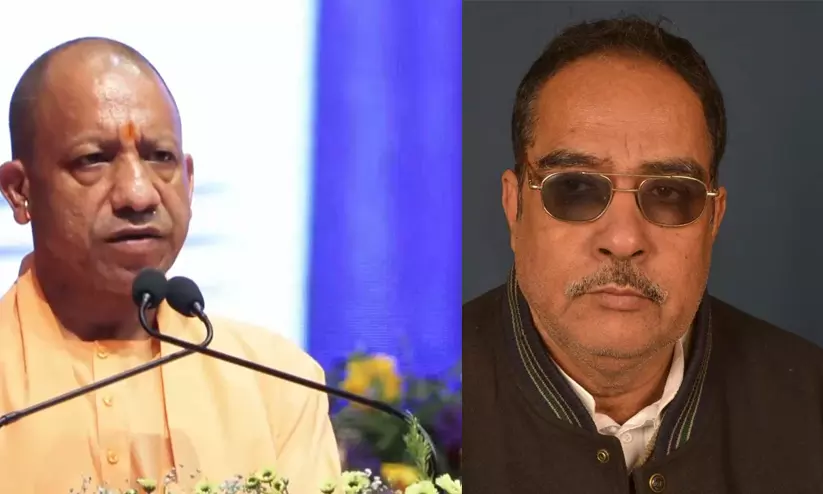
The Jammu and Kashmir Waqf Board’s move to introduce common themes for Friday sermons at mosques under its control has drawn criticism from National Conference leader Imran Nabi Dar, who questioned the role of the authorities in deciding what religious preachers should discuss.
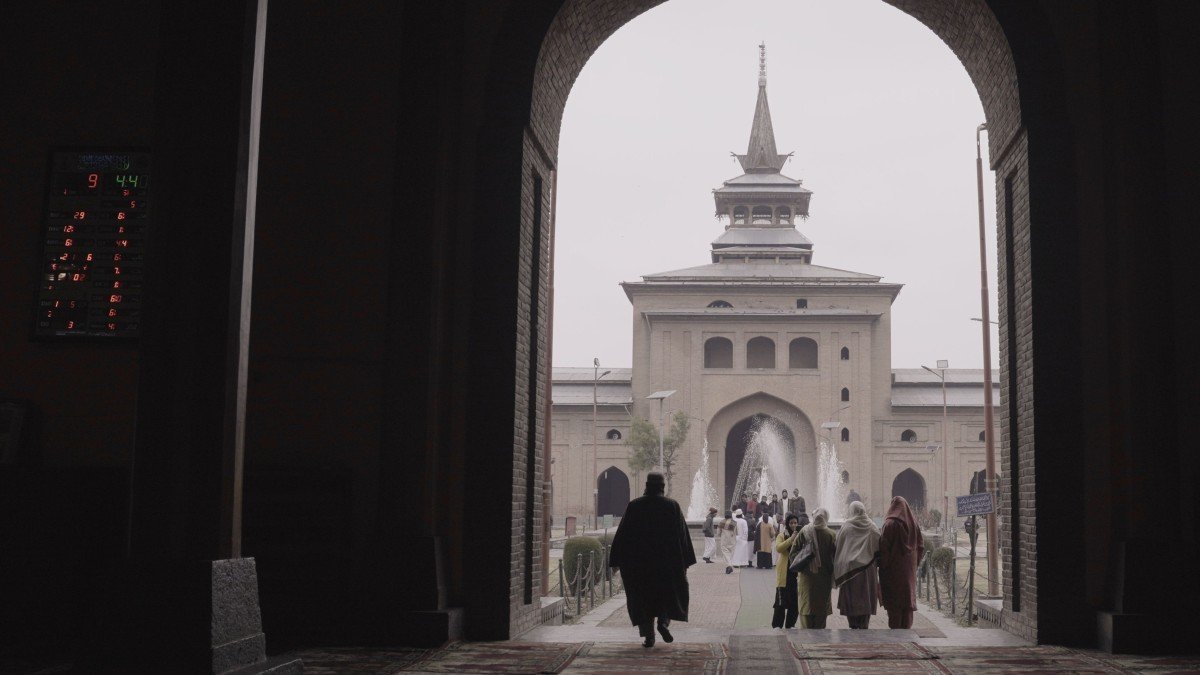
The Waqf Board has proposed forming a committee of Islamic scholars and preachers to select topics for sermons delivered at mosques and shrines across the Union Territory. The initiative aims to bring greater uniformity to discussions on social issues, including drug abuse and women’s concerns.
Reacting to the proposal, Dar alleged that the move could allow the BJP to influence religious discourse in Kashmir.
“[The] BJP will draft Friday sermons for mosques across Kashmir. They will decide what issues our preachers will talk about, what colour they will give them and what issues are brushed under the carpet,” Dar said in a social media post.
“The content will be theirs, the wording will be theirs and the intent will be theirs,” he added.

Dar said he was not a fundamentalist but opposed the proposed arrangement as a Muslim. He also expressed confidence that religious leaders, including Mirwaiz Umar Farooq, would resist the move.
Waqf Board Says Religious Scholars Will Select Topics
Waqf Board chairperson Syed Darakhshan Andrabi has said a committee of religious scholars will decide which issues should be addressed in the sermons. She said the board’s chairperson and government officials would not have a direct role in selecting the topics.
“Sermons are about faith, society and the future of this place,” Andrabi said, adding that the traditional Khutba Rasool, referring to sermons associated with Prophet Muhammad, would remain unchanged.
She said common themes could include drug abuse, women’s issues and other social concerns. The aim, according to the board, is to encourage imams and khateebs to address such matters in a coordinated manner.

The board has also sought suggestions on how to involve mosques that are not affiliated with it.
Proposal Raises Questions Over Religious Autonomy
During an online meeting with preachers from different districts, the board discussed its plan to introduce common sermon topics. Executive Magistrate Ishtiyaq Mohi-ud-Din said a directive had been issued around a month earlier asking preachers to address a shared topic.
The proposal has raised questions about how the committee will operate, how its decisions will be implemented and whether individual preachers will retain the freedom to interpret topics according to their religious understanding and local circumstances.
The board has said the topics will be chosen by religious scholars, but further details about the committee’s composition and working procedures have not been provided in the material available.