India has rejected criticism of its human rights record at the United Nations, arguing that unverified allegations should not be used to target the country selectively. The response comes amid growing international concern over police action against youth-led protests, reported detentions and restrictions on public gatherings.
The government’s position has drawn attention as UN human rights experts, international rights organisations and opposition leaders have called for investigations into alleged police excesses and the treatment of protesters.
India Says Human Rights Concerns Should Not Be Politicised
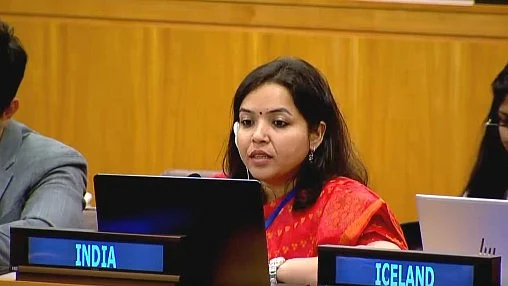
Addressing the United Nations General Assembly’s Third Committee on Tuesday, during a discussion concerning the Working Group on Enforced or Involuntary Disappearances, Ministry of External Affairs Deputy Secretary Barkha Tamrakar said human rights should not be used as a tool for political pressure or selective targeting.
Tamrakar said India was willing to address specific cases supported by proper documentation through established mechanisms. However, she opposed drawing broad conclusions from allegations, incomplete statistics or reports that did not contain country-specific observations on India.
“We call on delegations to cite the report faithfully, not to inflate a humanitarian communication into a verdict,” she said.

She added that international human rights engagement should be based on dialogue, cooperation, transparency and non-selectivity.
UN Experts Seek Independent Investigation
India’s response comes as more than 20 UN human rights experts have called for an independent investigation into the authorities’ handling of recent demonstrations.
The experts raised concerns about the alleged excessive use of force, restrictions on peaceful assembly and the treatment of protesters. They also called for accountability for reported human rights violations.
Rights organisations have separately raised concerns over detentions and restrictions imposed on people seeking to demonstrate peacefully.
Amnesty International has called for the release of Campaign for Judicial Accountability and Reforms (CJP) leaders Saurav Das and Ashutosh Ranka, who were detained after attempting to protest at Jantar Mantar in New Delhi. Human Rights Watch has also urged authorities to end arbitrary detentions and ensure that security forces follow international standards governing protests.
Opposition Parties Condemn Arrests and Restrictions
Opposition leaders have criticised the government’s handling of the demonstrations and raised concerns over the detention of protest organisers.
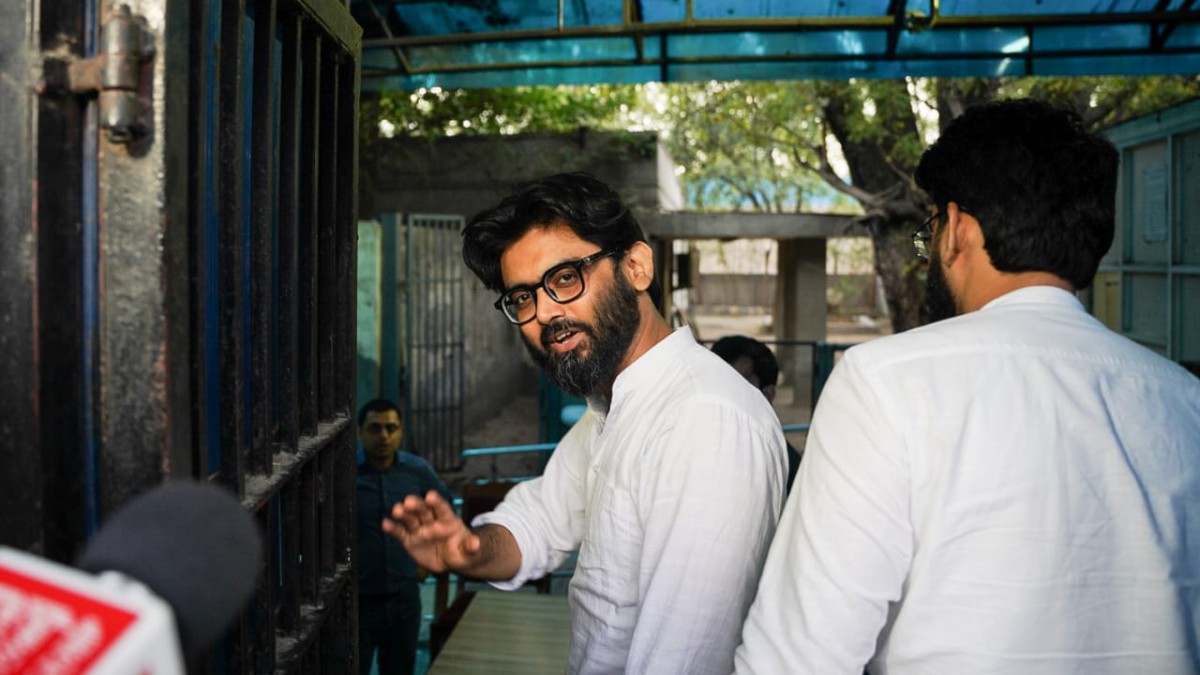
Trinamool Congress leader Mamata Banerjee described the restrictions and detentions as a “super Emergency”. The criticism followed the detention of CJP leaders Abhijeet Dipke, Das and Ranka after they arrived in Delhi on October 10.
The CJP has questioned the restrictions imposed on people demanding the resignation of Chief Election Commissioner Gyanesh Kumar. The organisation has also raised concerns over the detention of its members and the right to peaceful protest.
Das and Ranka have approached the Delhi High Court, challenging the extension of their custody. Their petition questions the rejection of their sureties and argues that their continued detention violates their constitutional right to liberty.
CJP legal head Ratna Singh has also criticised the extension of their custody.
Dispute Over Electoral Roll Revision
The demonstrations have also focused on the Special Intensive Revision (SIR) of electoral rolls. Opposition parties and protesters have raised concerns that the exercise could exclude eligible voters, while the government maintains that the revision aims to remove ineligible entries and includes an appeals process.
Indian authorities have defended the police response as lawful and rejected international criticism as interference in domestic affairs. New Delhi has previously dismissed concerns raised by UN experts over mass detentions.