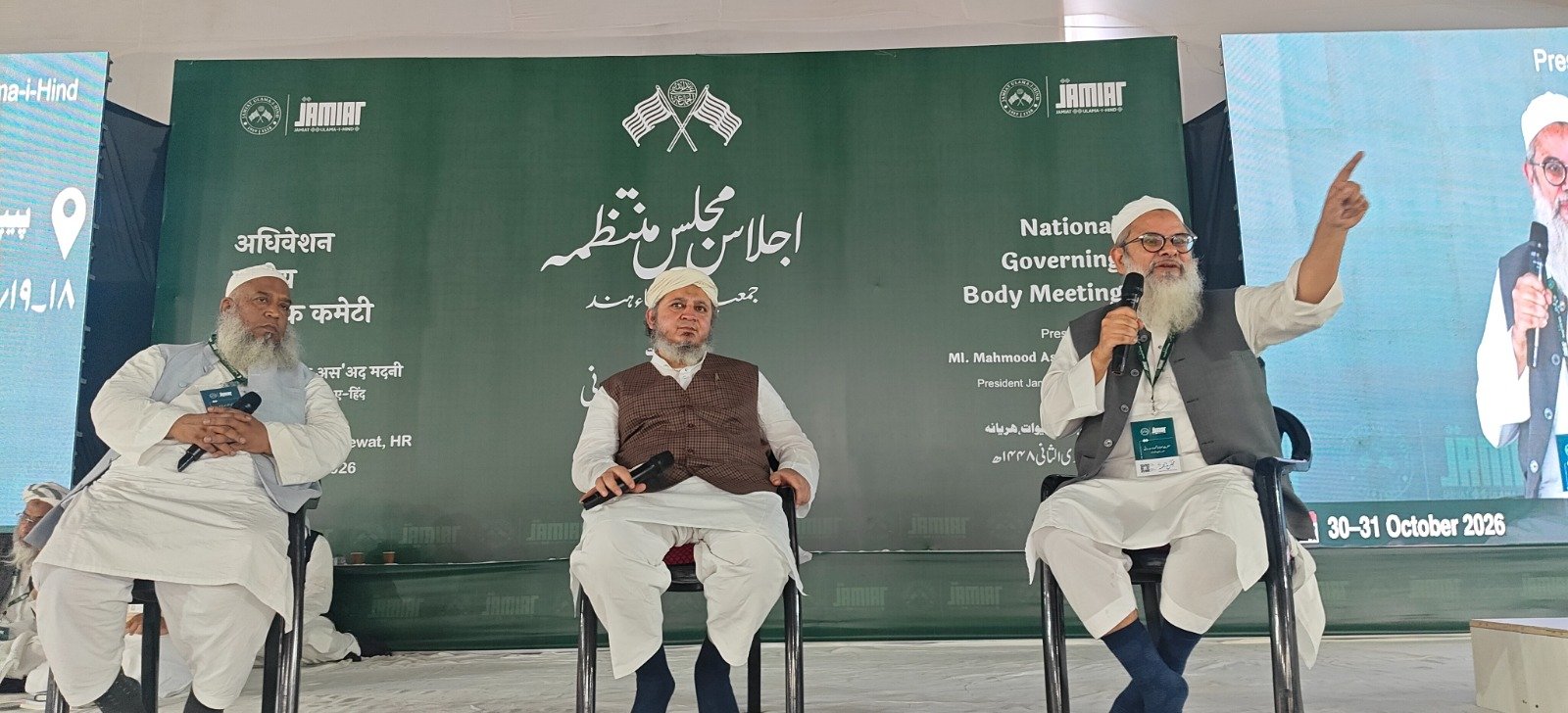
Jamiat Ulama-i-Hind president Maulana Mahmood Madani on Saturday expressed concern over what he described as the deteriorating condition of Muslims and other minorities in India, alleging that attempts were being made to undermine their constitutional rights and weaken democratic institutions.
Addressing the two-day meeting of the organisation’s Governing Council in Nuh, Mewat, Haryana, Madani said those conspiring to turn Muslims into outsiders or second-class citizens were betraying the Constitution, the freedom struggle and democracy.
“We are not tenants here but stakeholders. We are not in this country because of anyone’s mercy or the favour of any political party or communal forces,” he said, adding that the sacrifices of Muslims during the freedom struggle were reflected in the graves of their ancestors across the country.
“Has being a Muslim in this country become a crime?” he asked.
The meeting, held on October 30 and 31 at DLF Spring Field in Nuh, brought together members of the Governing Council, religious scholars and other representatives from across the country. It discussed issues including communalism, hate speech, the Uniform Civil Code (UCC), Waqf properties and developments in Palestine.
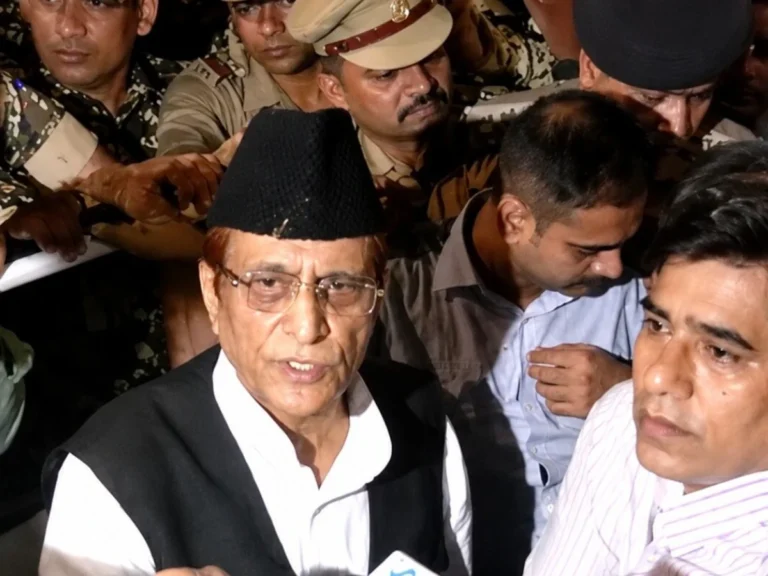
Madani alleged that the country was being pushed towards an ideological conflict based on religious discrimination. He also expressed concern over hate speech, mob lynching and alleged inaction by law enforcement agencies.
Citing figures presented at the meeting, he claimed that more than 1,600 incidents of hate speech had been reported across the country over the previous year, and that police had not registered FIRs in 87 per cent of the cases.
He alleged that a lack of police action and collusion among sections of the police, administration and media had allowed such incidents to continue.
Madani criticises ‘bulldozer justice’
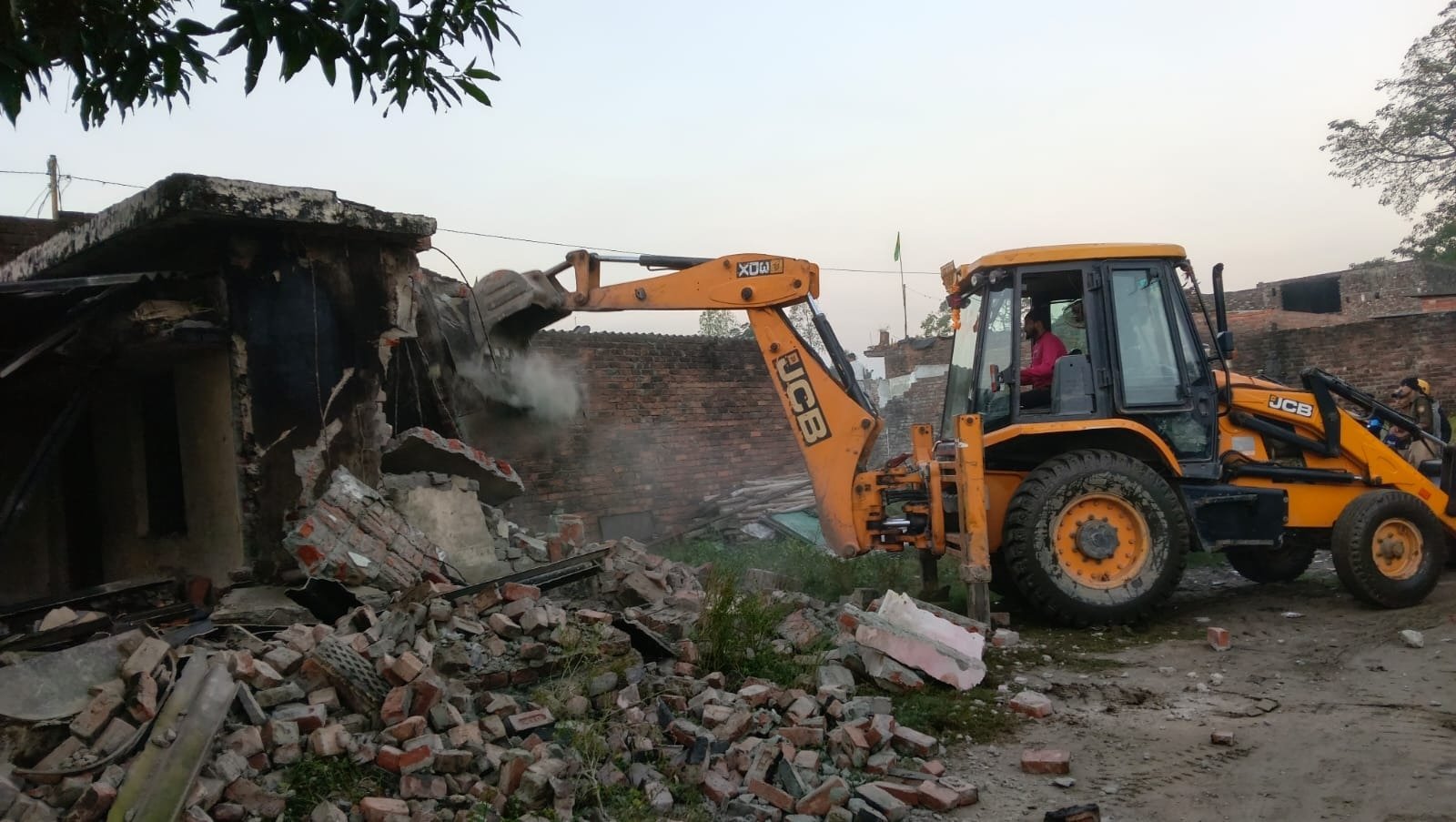
Madani also criticised demolition drives targeting homes and properties, describing what he called “bulldozer justice” as an assault on the rule of law and judicial authority.
“A bulldozer does not merely run over a building made of bricks and mortar; it runs over the Constitution, the rule of law and the dignity of the judiciary,” he said.
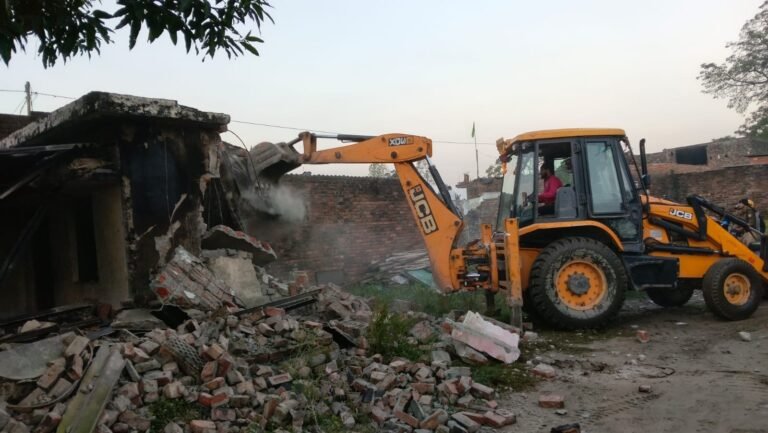
He argued that demolishing homes or properties without following due legal procedures violated constitutional principles and denied affected people an opportunity to seek justice.
Madani also questioned political narratives portraying the majority community as being under threat, alleging that such claims were being used to mobilise support and secure political power.
He called on Jamiat members to move beyond complaints and take organised action to defend constitutional rights. He urged younger generations to confront injustice with courage, confidence and determination.
Jamiat adopts resolutions on madrasas and religious places
The Governing Council adopted three resolutions addressing the protection of madrasas, mosques and other Islamic religious sites, and the Uniform Civil Code.
The resolution on madrasas expressed concern over what the organisation described as harassment in the name of recognition, propaganda against religious educational institutions and attempts to create controversies around minority-run institutions.

Jamiat urged the Centre and relevant legal authorities to protect the constitutional rights of madrasas. It also called on madrasa managements to maintain proper land records, approved building plans, identity documents of hostel students and audited financial accounts.
The resolution on mosques, Eidgahs, dargahs and other religious places opposed what the organisation described as a growing trend of targeting Muslim religious sites.
It invoked Articles 25 and 26 of the Constitution, which guarantee freedom of religion and the right of religious denominations to manage their affairs, and emphasised the importance of the Places of Worship (Special Provisions) Act, 1991.
The organisation said the law was intended to preserve the religious character of places of worship and prevent the reopening of historical disputes. It also referred to the Supreme Court’s December 12, 2024, interim order concerning proceedings in disputes over places of worship.
The resolution raised concerns over surveys ordered by subordinate courts and cited the dispute involving the Shahi Jama Masjid in Sambhal, Uttar Pradesh.
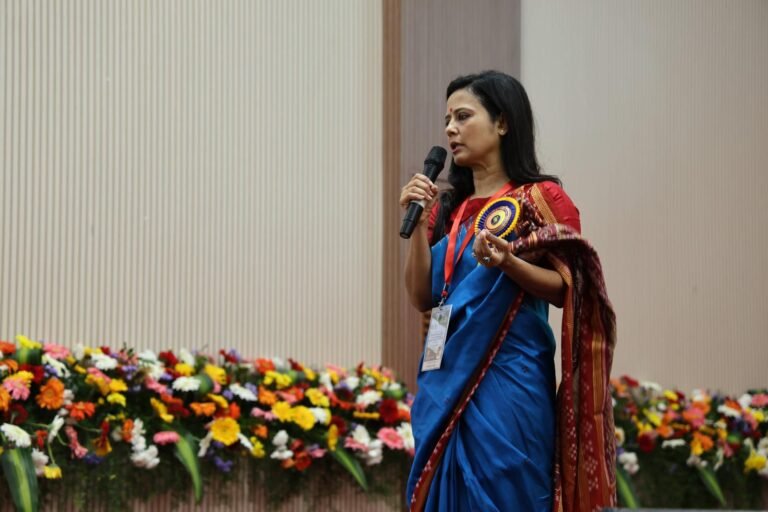
Jamiat urged the Centre and higher judiciary to ensure compliance with the Supreme Court’s interim directions and called for fresh claims contrary to the Places of Worship Act to be dismissed at the preliminary stage.
It also demanded that demolition actions against mosques be halted unless authorities follow due legal procedures and give affected parties a fair opportunity to present their case. The organisation called for action against officials found violating the law.
Jamiat further decided that its provincial, district and tehsil units would submit memorandums to the relevant authorities on a common date and at a uniform time. Its local units were also asked to help mosque management committees review and complete land records, including Khasra and Khatauni documents, municipal tax records and other legal paperwork within six months.
Jamiat rejects Uniform Civil Code
In its third resolution, the Governing Council rejected the Uniform Civil Code, describing it as discriminatory in nature and expressing concern over its implementation in several states.
The meeting also adopted a broader declaration reaffirming Jamiat’s commitment to national unity and mutual respect. It said the organisation opposed communalism and would continue to raise its voice for oppressed and vulnerable sections, including farmers, students, Dalits and minorities.

Other resolutions addressed hate speech, Islamophobia, mob lynching and alleged campaigns of social and economic boycotts against Muslims.
The council called for the implementation of Supreme Court directions in the Tehseen S. Poonawalla case, including the appointment of district-level nodal officers of Superintendent of Police rank. It also sought special fast-track courts to hear hate crime cases.
On Waqf properties, the organisation described the Waqf (Amendment) Act, 2025, as contrary to the religious and constitutional rights of Muslims and called on the government to reconsider it. It also proposed an independent institution, modelled on the Shiromani Gurdwara Parbandhak Committee, to oversee the protection and management of Waqf properties.
The council discussed conflicts in the Muslim world and called for an independent Palestinian state, an end to Israeli settlement expansion, accountability for alleged war crimes, protection of Al-Aqsa Mosque and other religious sites, and uninterrupted humanitarian assistance to Gaza.
The meeting also featured addresses by senior religious scholars, including Darul Uloom Deoband’s Mohtamim Maulana Abul Qasim Nomani, who stressed the need to involve younger people in the organisation’s work. Other speakers emphasised leadership development, religious training and the importance of entrusting responsibilities to younger members.