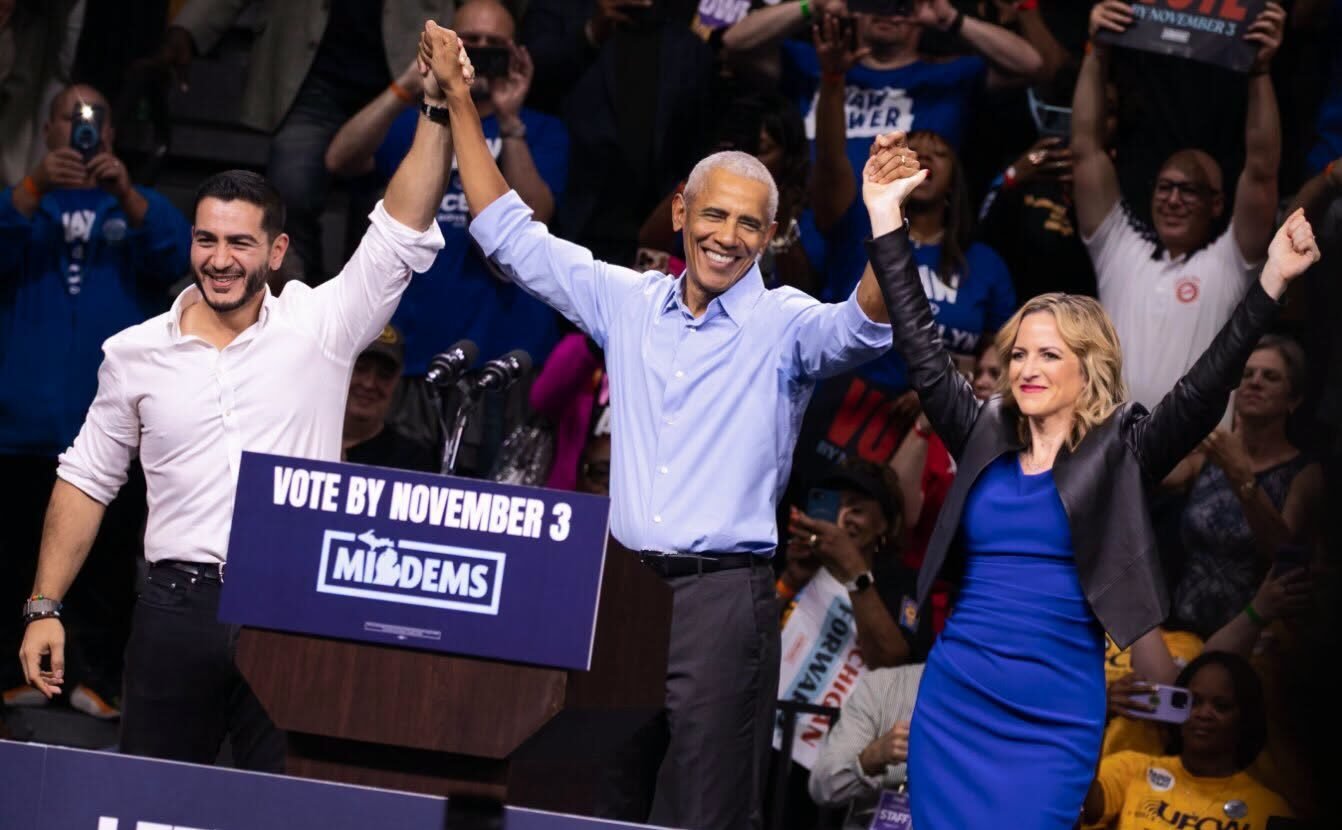
Democrats have won control of the US House of Representatives and made significant gains in the Senate in the November 3 midterm elections, delivering a major political setback to President Donald Trump and the Republican Party.
The results mark a significant shift in power in Congress, where Republicans previously controlled both chambers. The Democratic gains could complicate Trump’s legislative agenda during the final two years of his presidency and pave the way for increased congressional scrutiny of his administration.
Democratic candidates secured victories in several closely watched Senate races, including Texas, Ohio, North Carolina and South Carolina, with projections indicating that the party was on course to take control of the Senate as well.
In Texas, Democrat James Talarico defeated Republican Ken Paxton, marking a major breakthrough for Democrats in a state where the party had struggled to win statewide elections for decades.
In Ohio, Democrat Sherrod Brown was projected to defeat incumbent Republican Jon Husted, flipping another Republican-held Senate seat. Democrats also secured victories through Annie Andrews in South Carolina and Roy Cooper in North Carolina.
The Associated Press projected Brown’s victory as the fourth Republican-held Senate seat flipped by Democrats during the night.
Democrats Secure House Majority
Democrats also crossed the 218-seat threshold required for a majority in the 435-member House of Representatives.
CNN, CBS and Decision Desk HQ projected that Democrats had flipped the chamber. CNBC’s Election Desk projected that the party would win at least 235 seats.
The outcome places House Minority Leader Hakeem Jeffries on a path to potentially become the first Black speaker of the House. He would, however, need to secure the position through a floor vote when the new Congress convenes.
Democrats also recorded gains in congressional races involving Indian-American candidates. Democrat Suhas Subramanyam won re-election in Virginia’s 10th Congressional District, while Pia Dandiya won Florida’s 22nd Congressional District, defeating Republican Casey Askar, according to the Associated Press.

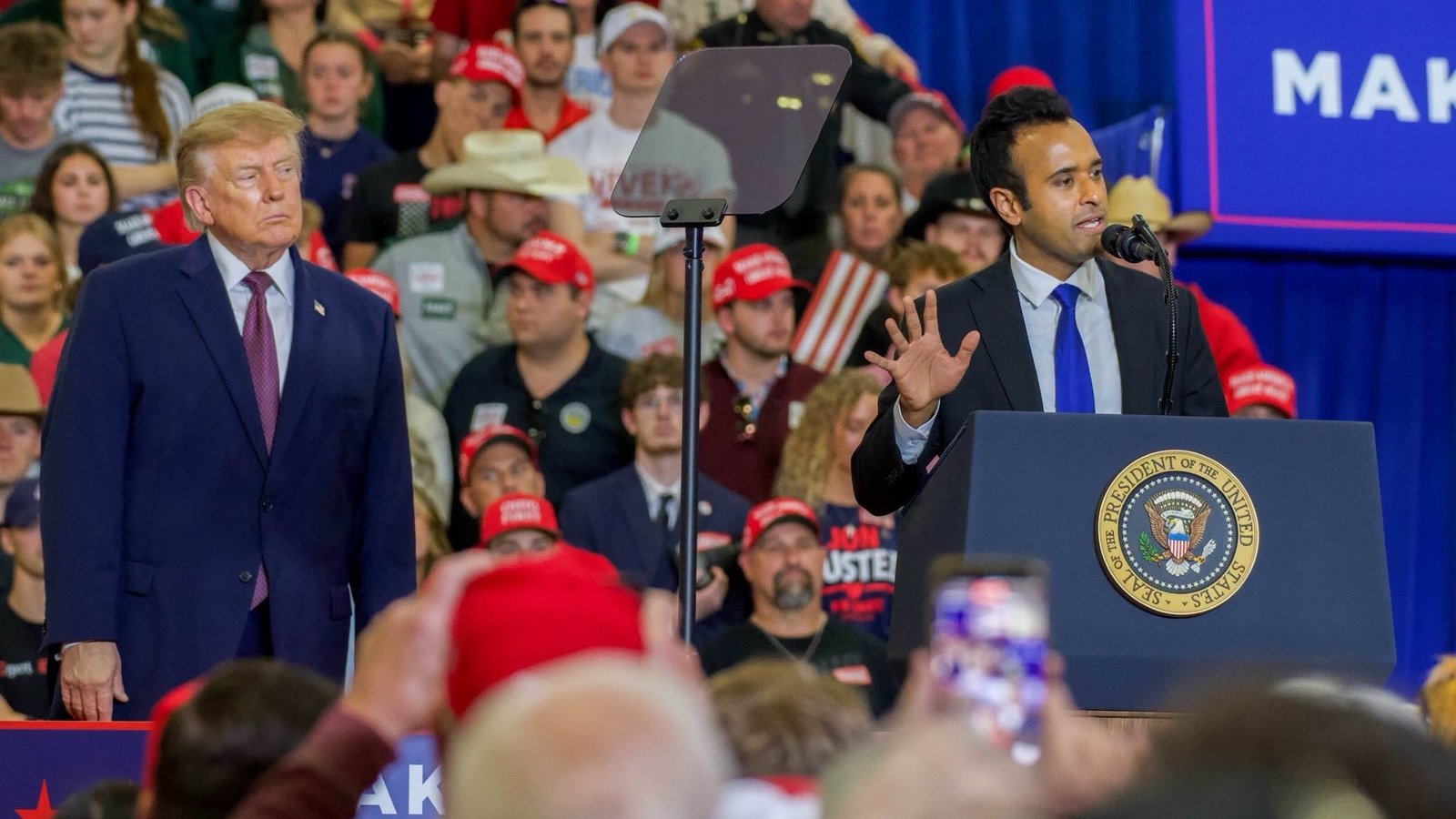
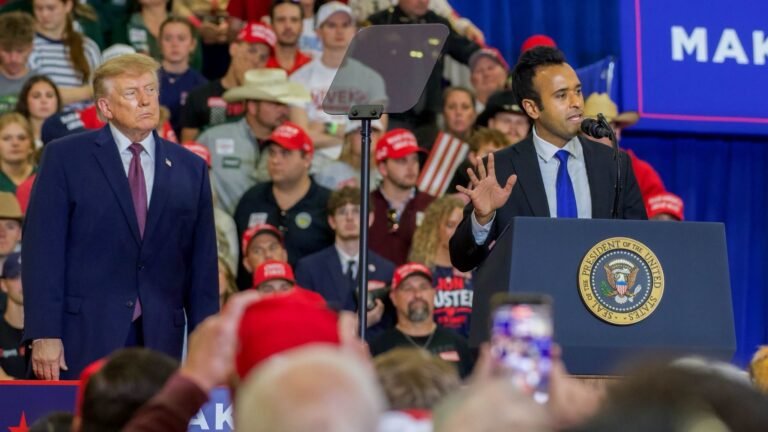
In Ohio, Democrat Amy Acton was projected to defeat Republican Vivek Ramaswamy in the gubernatorial race, delivering another significant victory for the party.
What Democratic Control Means for Trump
A Democratic majority in Congress could place significant obstacles before Trump’s legislative priorities, particularly on immigration enforcement, government spending, trade tariffs and the administration’s handling of the war with Iran.
Democratic leaders have also promised extensive investigations into Trump and members of his inner circle, including scrutiny of the Jeffrey Epstein scandal and the president’s personal and family finances.
Jeffries had pledged before the elections that investigations would begin immediately once Democrats assumed power.
“Our promise to the country in the new Congress is that, beginning on Day 1, we’re going to hold the crooks accountable,” he said.
Democratic control of either chamber would also give the party greater authority over congressional committees, hearings and oversight of the executive branch.
Trump Says He Will Accept Election Results
Trump said he was willing to accept the election outcome, even as projections showed Republicans losing control of Congress.
“I am absolutely willing to accept those results,” Trump told The New York Times in an interview while watching election returns at the White House.
However, the president had earlier sought to distance himself from the Republican losses, writing on social media: “I wasn’t on the ballot and if I was, we would have won in a landslide!”
In an interview with CBS News before polls closed, Trump described his veto authority as a means of countering a Democratic-controlled Congress.

“I have the ultimate power. It’s called ‘veto,’” he said.
Trump said he was prepared to block Democratic legislation and suggested that sustained vetoes could eventually force lawmakers to negotiate bipartisan agreements.
“Historically, you veto for a couple of months and then they come and say, ‘We’ve got to make a deal,’” he said.
The president also indicated that he could rely more heavily on executive powers to advance his policies, including on immigration and trade, even if Democrats gained control of Congress.
Economy, Immigration and Iran War Shape Election
The midterm elections were shaped by concerns over the economy, the cost of living, immigration policy and the US war with Iran.

Republicans faced challenges amid declining approval ratings for Trump, economic uncertainty and dissatisfaction with the administration’s policies.
Midterm elections traditionally pose difficulties for the party holding the White House, as voters often use the contests to express their views on the president’s performance.
All 435 House seats and 35 Senate seats were contested on November 3, alongside gubernatorial and other state-level races.