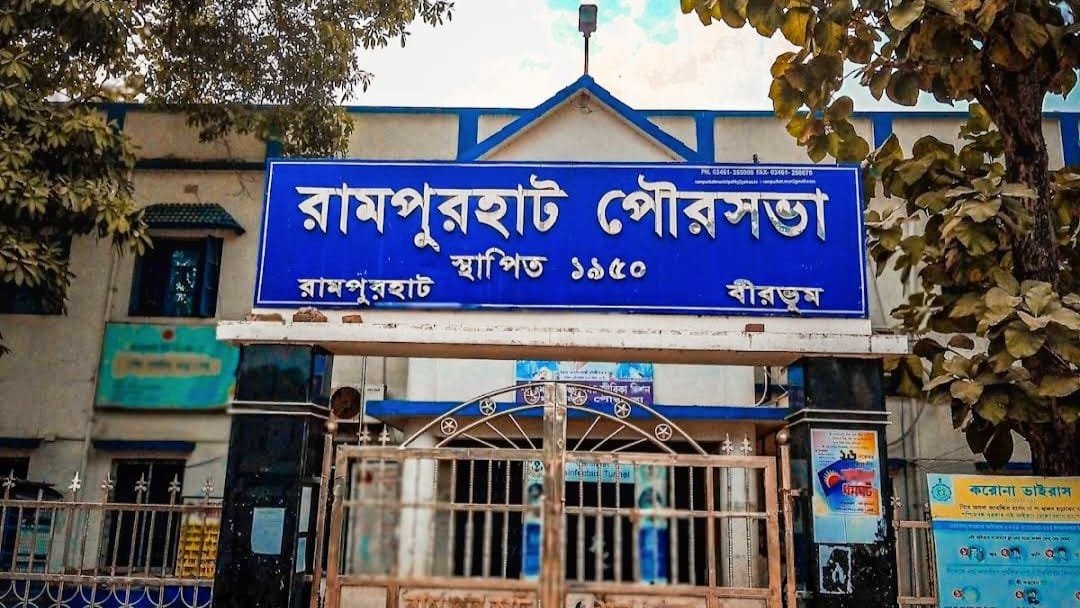
Rampurhat Municipality in West Bengal’s Birbhum district has directed three meat shops along a road leading to the local court to remain closed for two days during Chhath Puja, triggering a political debate over religious sentiments, traders’ livelihoods and restrictions on food choices.
The municipality issued written notices to the shop owners on Friday afternoon, asking them to keep their establishments closed on Sunday and Monday, the two main days of the festival. The notice, signed by Mayor Soumen Bhakat, also instructed the shopkeepers to cover meat displayed in their shops with red cloth on other days.
It warned that legal action could be taken if the shops remained open in violation of the directive. Copies of the notice were also sent to the Rampurhat Sub-Divisional Magistrate (SDM) and the officer-in-charge of the local police station, requesting necessary steps to maintain law and order.
Mayor Cites Religious Sentiments of Chhath Devotees
Explaining the decision, Mayor Soumen Bhakat said the affected shops were located along a route used by devotees travelling to Gandhipukur ghat to offer prayers during Chhath Puja.
“Many people pass through the court lane to reach Gandhipukur ghat during Chhath Puja. Devotees carrying Chhath offerings may feel uncomfortable if they see meat displayed outside roadside shops. Keeping their religious sentiments in mind, we have issued a notice asking some shops in the area to remain closed for two days,” Bhakat said.

Shop owners said they would comply with the municipality’s order and keep their establishments closed as directed.
Hasil Sekh, a meat shop owner, told The Observer Post that although shop closures had reportedly been requested verbally during Chhath Puja in previous years, this was the first time the municipality had issued a written directive.
Opposition Questions Restrictions on Traders
The decision has drawn criticism from opposition parties. While acknowledging the importance of respecting religious festivals and the sentiments of devotees, opposition leaders questioned whether these considerations justified restrictions on traders’ livelihoods and people’s food choices.
A CPM leader alleged that the administration was invoking religious sentiments for political purposes instead of focusing on its other responsibilities.
Congress leader Milton Rashid said the directive reflected an attempt to regulate people’s everyday choices during religious festivals.

“The government has many other responsibilities. Instead of focusing on them, guidelines are being imposed on people about what they should do, eat and how they should behave during religious festivals. Such practices undermine the state’s long-standing traditions,” Rashid said.
He further alleged that the directive was an attempt to appeal to religious sentiments for electoral gain at a time when the government was failing to discharge its responsibilities.