Reported violence and persecution against Christians in India has risen by about 408 per cent since Narendra Modi’s government took office in 2014, according to data compiled by the Evangelical Fellowship of India’s Religious Liberty Commission (EFIRLC).
The commission recorded 147 incidents in 2014 and 747 verified incidents in 2025, Muslim Mirror reported. That is more than five times the earlier figure, and 747 is also higher than the 640 incidents the commission recorded in 2024 and the 601 recorded in 2023.
The 2025 report is titled “Hate and Targeted Violence Against Christians in India: Yearly Report 2025”, and draws on a nationwide network of field coordinators, legal advisers, partner organisations and testimonies from victims and church leaders, according to Morning Star News. The EFIRLC has been publishing annual incident reports since 2009.
The commission has said that the verified cases represent only a fraction of the real total, because many victims do not report attacks for fear of retaliation or police inaction.
Christians make up about 2.3 per cent of India’s population. In the 2024 report, the commission had said incidents included physical assaults, disrupted prayer meetings, vandalised churches, social boycotts and arrests, and listed Uttar Pradesh (188 cases), Chhattisgarh (150), Rajasthan (40), Punjab (38) and Haryana (34) as the worst-hit states.
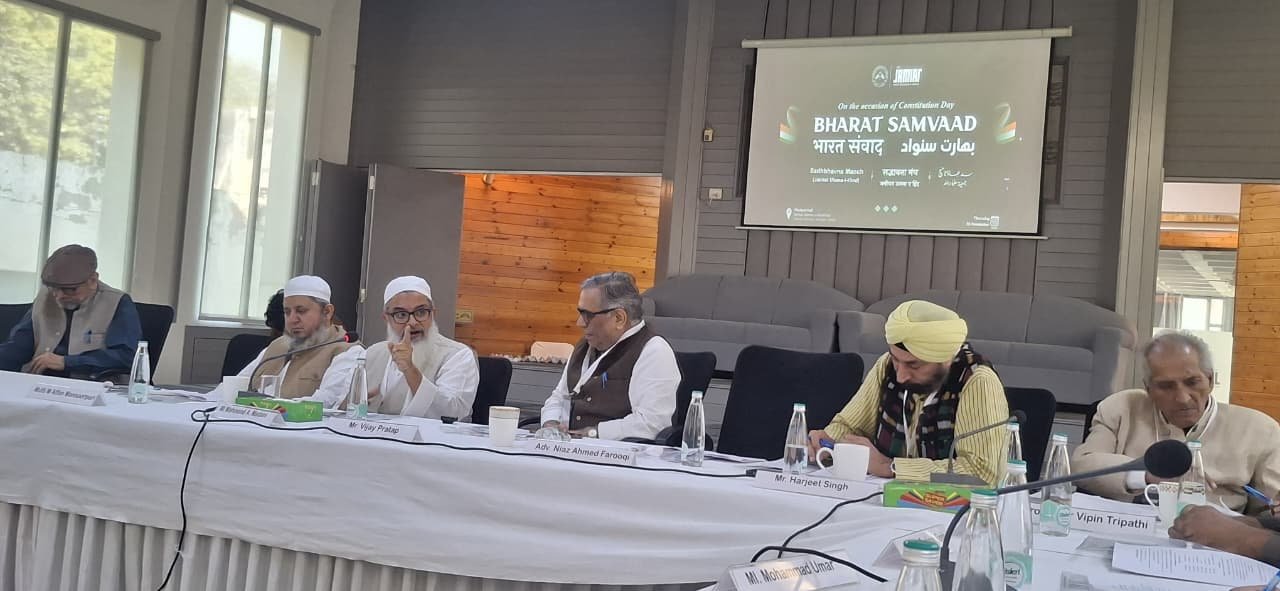
At the event where the findings were discussed, former National Commission for Women member Syeda Hameed said violence against Christians had become a “political instrument” for Hindutva forces, intensifying since 2014.
Senior advocate Colin Gonsalves criticised what he called the Supreme Court’s indifference to documented hate crimes against Christians, and spoke about the selective use of anti-conversion laws against Adivasi Christians and the denial of their rights to worship and burial.
Former Chief Information Commissioner Wajahat Habibullah warned that violence against Christians, especially vulnerable communities and house churches, reflects a deeper social problem and threatens India’s inclusive heritage.