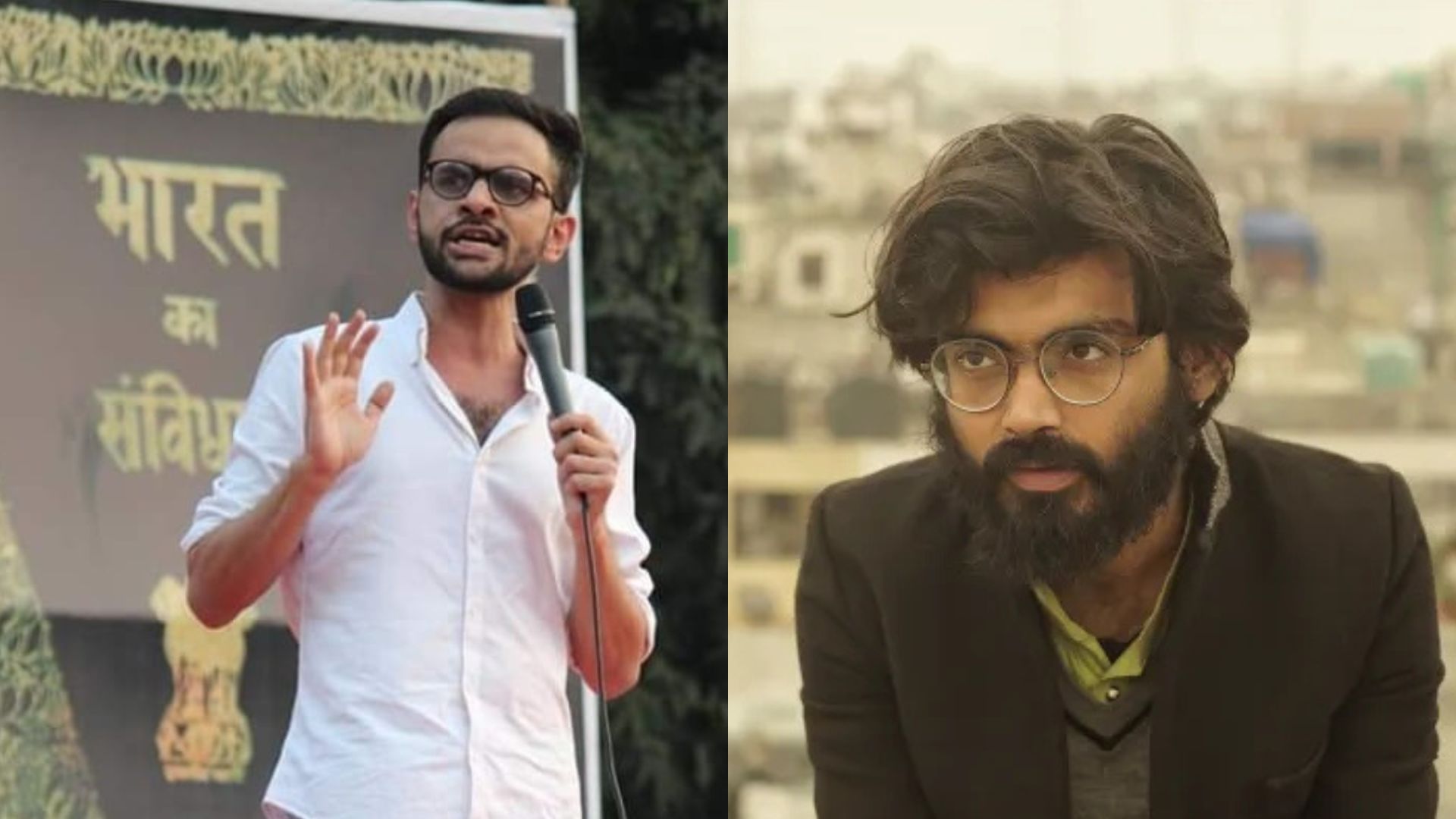
A Delhi court on Saturday reserved its order on the fresh bail applications of anti-CAA activists Umar Khalid and Sharjeel Imam in the larger conspiracy case related to the 2020 northeast Delhi riots.
Additional Sessions Judge Sameer Bajpai heard detailed arguments from both the prosecution and the defence before reserving the matter. The order is expected to be pronounced either later on Saturday or on Monday.
Khalid and Imam have sought bail, arguing that they have spent nearly six years in jail without the trial even beginning. Their lawyers told the court that the prolonged incarceration violates their fundamental right to personal liberty, as charges have not yet been framed despite the passage of several years.
Appearing for Khalid, the defence argued that the fresh bail plea is maintainable because important legal developments have taken place since the Supreme Court rejected his earlier application in January this year. The counsel relied on recent Supreme Court observations reiterating that “bail is the rule” even in cases registered under the Unlawful Activities (Prevention) Act (UAPA).
The defence also cited the Supreme Court’s rulings in Union of India v. K.A. Najeeb and Vernon Gonsalves v. State of Maharashtra, arguing that constitutional guarantees of personal liberty cannot be defeated by prolonged delays in trial. Khalid’s counsel submitted that with a large number of accused, witnesses and documents involved, the trial is unlikely to begin or conclude in the near future.

Imam raised similar grounds in his bail application, stating that there has been virtually no progress in the proceedings since the Supreme Court denied him bail earlier this year. He argued that continuing to keep him in custody without the commencement of trial amounts to unjustified detention.
The Supreme Court had on January 5 refused bail to Khalid and Imam while granting relief to co-accused Gulfisha Fatima, Meeran Haider, Shifa Ur Rehman, Mohammad Saleem Khan and Shadab Ahmad. At the time, the apex court held that there was a prima facie case against Khalid and Imam under the UAPA and observed that the role of each accused had to be assessed individually.
Khalid, Imam and several others have been accused of being part of a larger conspiracy behind the communal violence that broke out in northeast Delhi in February 2020 during protests against the Citizenship (Amendment) Act (CAA). The violence claimed 53 lives, most of them Muslims, and left more than 700 people injured.
Separately, Imam has also moved the trial court seeking access to his academic research material to complete his PhD thesis. The IIT Bombay graduate was pursuing a doctorate in modern history at Jawaharlal Nehru University before his arrest.
In an earlier hearing, a Supreme Court bench had also observed that the legal principles laid down in the K.A. Najeeb judgment on prolonged incarceration and delayed trials under the UAPA had not been correctly applied while considering the bail pleas of Khalid and Imam.