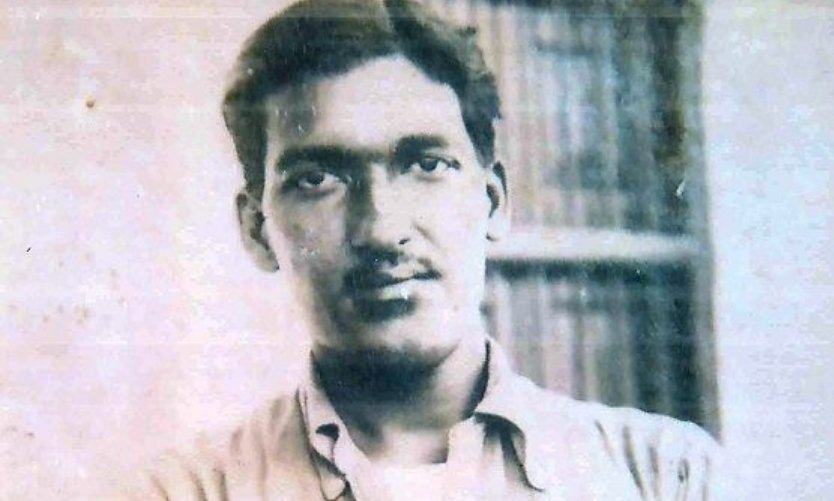
The Congress paid tribute to revolutionary freedom fighter Ashfaqulla Khan on his birth anniversary on October 22, remembering his courage, patriotism and supreme sacrifice in India’s struggle for independence.
The party said Khan’s unwavering commitment to the country continued to inspire generations and highlighted the importance of his friendship with fellow revolutionary Ram Prasad Bismil as an example of Hindu-Muslim unity.
“The true tribute to Ashfaqulla Khan on his birth anniversary would be to ensure that his sacrifice does not remain confined to a day of remembrance, but that his ideals become part of our everyday conduct,” the Congress said.
It added that his life held particular relevance at a time when society needed religious harmony, mutual trust and national unity.
Ashfaqulla Khan’s Early Life and Patriotism
Born on October 22, 1900, in Shahjahanpur, Uttar Pradesh, Ashfaqulla Khan grew up during a period when resistance to British rule was gaining momentum across India. Although his family was associated with government service, he became drawn to the freedom struggle at a young age.
Khan was known for his courage, independent thinking and interest in literature. He wrote Urdu poetry under the pen name ‘Hasrat’, expressing his emotions, love for the country and commitment to its freedom.
His life reflected the belief that the struggle for independence went beyond religious and social differences. For him, the freedom of the country was a common cause that required people from different communities to work together.
Friendship With Ram Prasad Bismil Became a Symbol of Unity
One of the most inspiring aspects of Khan’s life was his close friendship with Ram Prasad Bismil. The two revolutionaries belonged to different religious communities but shared a common determination to end British rule.
Their association became an enduring example of Hindu-Muslim unity during the freedom movement. Their friendship demonstrated that a shared commitment to the country could overcome religious divisions.
The Congress recalled this bond while paying tribute to Khan, saying that the greatest force capable of uniting a nation was “a shared purpose founded on mutual respect”.
The party said their lives reflected the idea that India’s strength lay in unity amid diversity.
Kakori Train Action and the Fight Against British Rule
After Mahatma Gandhi withdrew the Non-Cooperation Movement in 1922, some young nationalists became disillusioned and turned towards revolutionary methods of resisting British rule. Khan joined the Hindustan Republican Association (HRA), which aimed to end colonial rule through organised revolutionary action.
On August 9, 1925, Khan and other revolutionaries took part in the Kakori train action near Lucknow in Uttar Pradesh. They stopped a train carrying government treasury money and seized the funds to support their revolutionary activities, including the purchase of weapons.
The incident challenged British authority and brought national attention to the revolutionary movement. The colonial administration responded with a major crackdown, arresting several members of the HRA and prosecuting them in the Kakori conspiracy case.
Khan initially managed to evade arrest but was eventually captured in Delhi. He was tried by the British authorities and sentenced to death.

Executed at 27, Ashfaqulla Khan Remains an Inspiration
Ashfaqulla Khan was hanged at Faizabad Jail on December 19, 1927, when he was just 27 years old. Bismil was executed on the same day in Gorakhpur Jail, while fellow revolutionary Rajendra Nath Lahiri had been hanged on December 17 in Gonda Jail. Their deaths strengthened the resolve of many Indians fighting for independence.
Khan’s sacrifice remains an important part of the country’s freedom struggle. His patriotism, literary interests and commitment to national unity continue to be remembered alongside his role in the revolutionary movement.
The Congress said that remembering Khan should mean more than paying tribute on his birth anniversary. It called for his ideals to be reflected in everyday life, particularly through greater understanding and respect between communities.
Introducing younger generations to his courage, sacrifice and commitment to the nation, the party said, was essential to keeping his legacy alive.