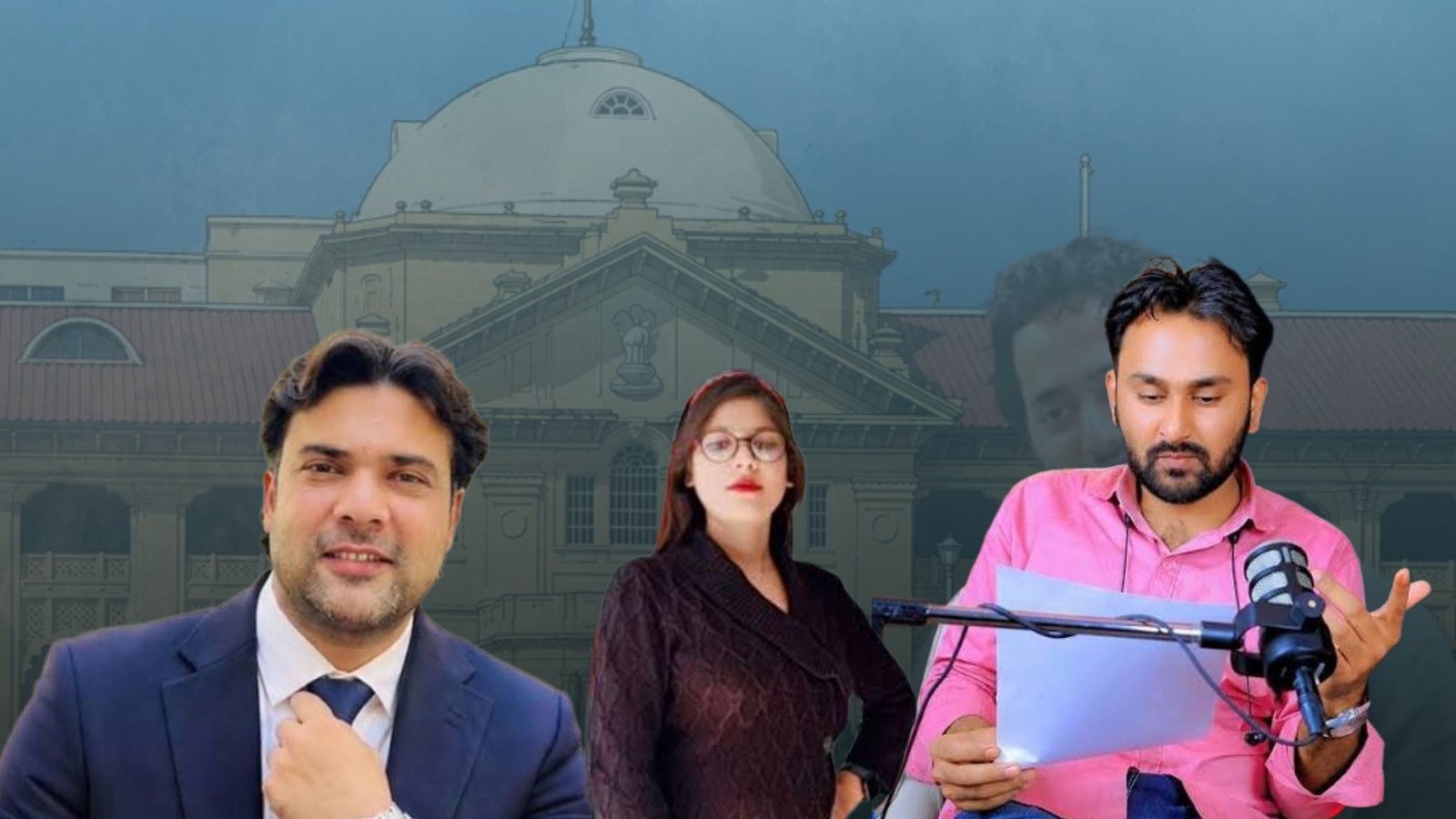
Shamli Police have registered an FIR against journalist Waseem Akram Tyagi and several other social media users over posts related to the Allahabad High Court proceedings in the religious conversion case involving Ayush Malik, also known as Mohammad Ali.
Police alleged that social media posts falsely claimed that the Allahabad High Court had “reprimanded” or “scolded” Shamli Police during the hearing. The police have described the claim as misleading and said the court did not reprimand them or seek an affidavit from them as claimed in the posts.
Six Social Media Accounts Named
According to the police, action has been taken against six social media accounts for sharing posts related to the claim.
The FIR names X accounts including @KarishmaAziz, @INikhatAli, @TheMuslimSphere, @WasimAkramTyagi and @kaifsyedhasan. A Facebook account allegedly linked to Nadeem Saii has also been named.
Separately, journalist Shahzad Badri of NDUP has reportedly been named in another FIR registered the same night.
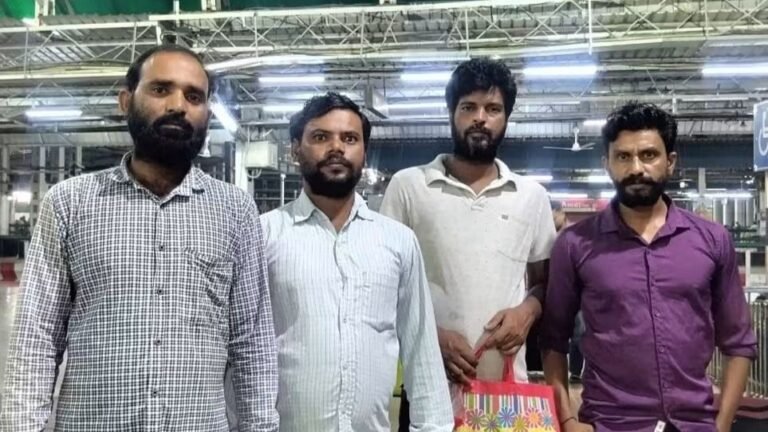
The police action has drawn criticism from journalists and social media users, who have questioned whether the cases selectively targeted people who used words such as “reprimand” or “scolding” while describing the court proceedings.
Journalists Question Police Action
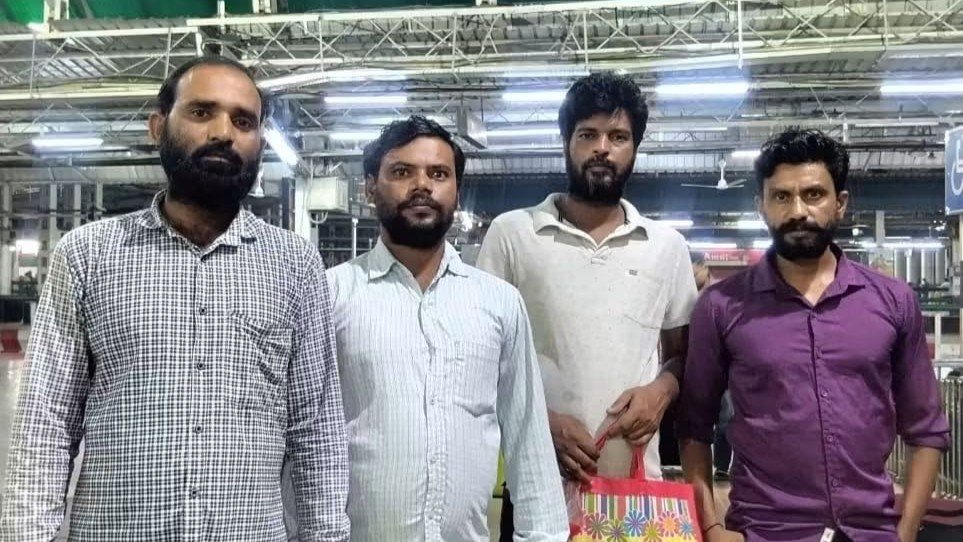
Zakir Ali Tiyagi, who is among those named in the FIR, said several journalists and social media users had been booked over their descriptions of the High Court proceedings.
“The Shamli police, who filed an FIR against me for writing ‘lynching’ as ‘lynchig,’ have now registered an FIR against seven people, including four journalists, in the Ayush Malik case,” Tiyagi said.
He also alleged that another FIR had been registered against NDUP journalist Shahzad Badri and claimed that several vehicles had gone to Badri’s residence. These claims could not be independently verified from the information available.
Tiyagi questioned the police action, saying some journalists had used the word “reprimand” after a post by senior Uttar Pradesh journalist Narendra Pratap of Bharat Samachar.

He said the journalists named in the cases were preparing to approach the Allahabad High Court.
Waseem Akram Tyagi Alleges Selective Action
Tyagi also questioned what he described as selective police action against journalists and social media users.
“The Shamli police is selectively filing FIRs against those journalists and social media users who have used the word ‘scolding’ in this matter,” Tyagi said.
He claimed that another Hindi journalist had used similar terminology but was not named in the FIR.
“I do not want an FIR to be filed against that ‘Hindi journalist’ either. But I do have this question for @PoliceShamli: if the basis of the FIR is ‘scolding,’ then that same ‘scolding’ word has been used by the ‘Hindi journalist’ as well. When the standard is the same, then why the discrimination?” he said.
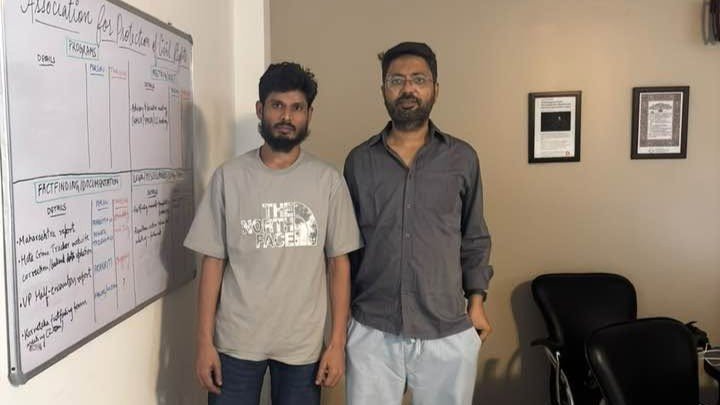
Tyagi also questioned whether the police action was based solely on law and procedure or on what he described as “orders from above”.
Case Involves Religious Conversion
The case dates back to June 2026, when Devraj Malik, the father of Ayush Malik, filed a complaint alleging that his son had been influenced to convert to Islam and enter into a relationship with Chandni Qureshi. The complaint also alleged that property interests were involved.
Chandni Qureshi and her father, Islam Qureshi, were arrested under provisions of the Uttar Pradesh Prohibition of Unlawful Conversion of Religion Act and related provisions of the Bharatiya Nyaya Sanhita. They were subsequently granted bail.
Ayush Tells Court He Converted Voluntarily
In September, the Allahabad High Court heard a habeas corpus petition concerning Ayush Malik.
After Ayush was produced before the court, proceedings focused on his status as an adult and his right to make personal choices, including decisions regarding his faith and partner.
Ayush told the court that he had voluntarily accepted Islam and wanted to live with his wife, Chandni Qureshi.
The court directed that Ayush be free to exercise his personal liberty. The precise observations and directions made during the hearing have since been described differently in social media posts.