


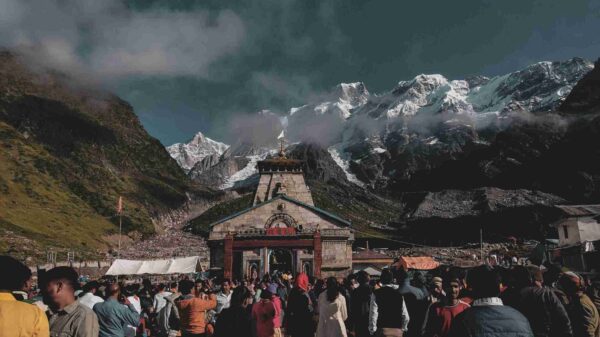































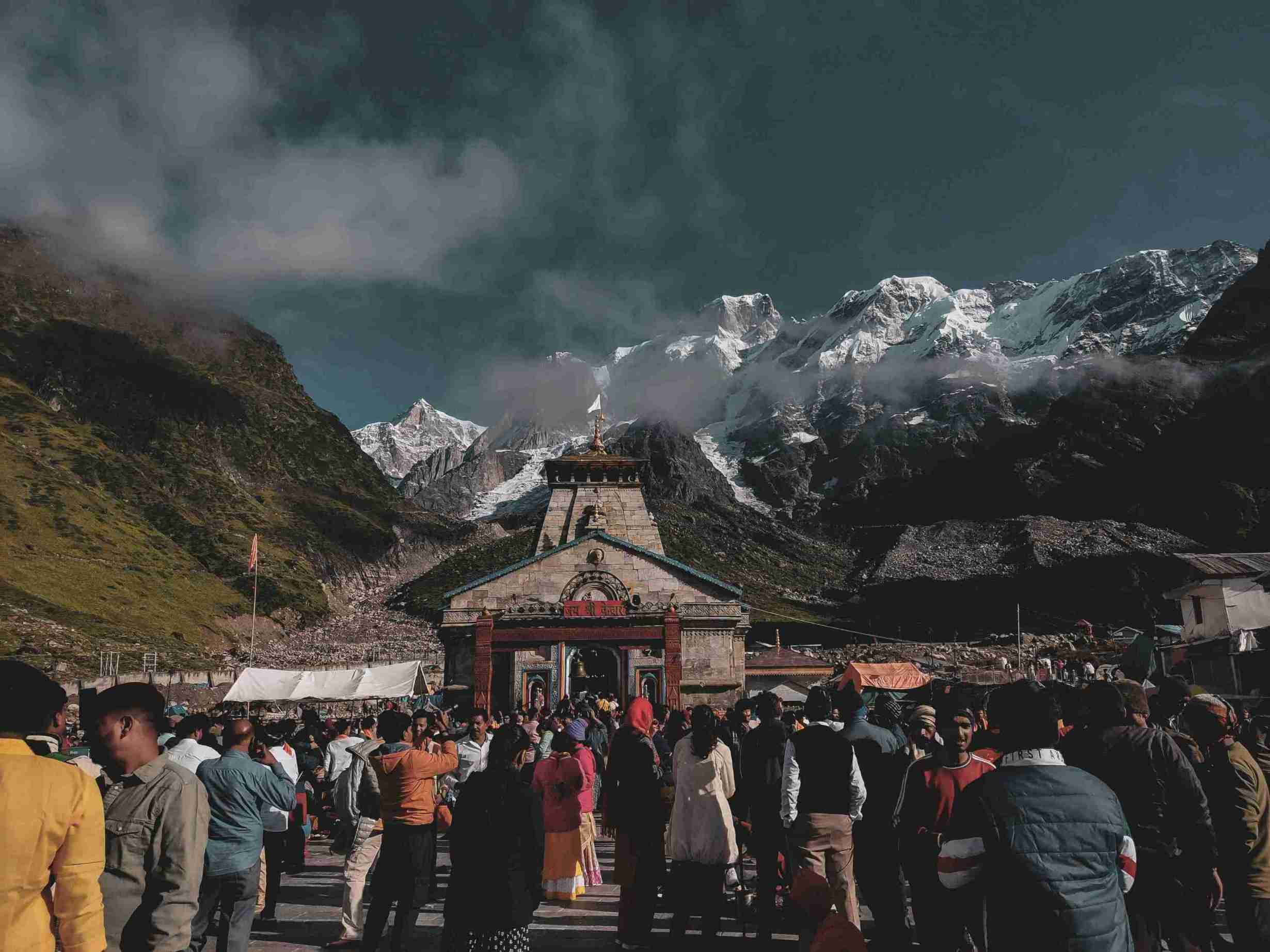
The Badrinath-Kedarnath Temple Committee has unanimously passed a resolution banning the entry of non-Hindus into Badrinath and Kedarnath shrines, as well as 47 other temples under its jurisdiction, effective from the upcoming pilgrimage season. The decision was taken at the committee’s budget meeting held on March 10 at its camp office in Dehradun, chaired by BKTC President Hemant Dwivedi.
The Kedarnath temple is scheduled to open on April 22 and Badrinath on April 23, while Gangotri and Yamunotri will open on April 19 for Akshaya Tritiya, marking the start of the Char Dham Yatra 2026.
What the Committee Said
BKTC President Hemant Dwivedi said the restriction applies to anyone who does not follow Sanatan Dharma. When asked to define who qualifies as a Sanatani, he said anyone who has faith in Sanatan Dharma. He further elaborated that anyone who applies vermillion on the forehead, chants mantras, recites chalisas and has faith in Shree Badri and Kedar would be considered a Sanatani and would be welcome.
When asked whether a Muslim who professes faith in Sanatan Dharma would be allowed entry, Dwivedi responded with a counter question, asking whether a Hindu is permitted to visit Mecca and Medina.
He cited Article 26 of the Indian Constitution, which grants every religious denomination the right to manage its own religious affairs, as the legal basis for the decision. He also said the tradition of restricting entry for non-Hindus has existed since the time of Adi Shankaracharya, and that the committee was merely formalising a longstanding practice. “Badrinath and Kedarnath are not tourist spots but centres of faith. These are Vedic centres established by Adi Shankaracharya,” he said.
The decision at Badrinath and Kedarnath follows a similar move made by priests at Gangotri and Yamunotri in January this year, which had also barred non-Hindus from those shrines.
Budget of Rs 121 Crore Approved
The same meeting also approved a budget of Rs 121.07 crore for the 2026-27 pilgrimage year. Of this, Rs 57.47 crore has been allocated for the Badrinath temple and Rs 63.60 crore for Kedarnath. The meeting also discussed amendments to the BKTC Act relating to appointments and traditions of the Rawal or chief priest, improvements to worship and darshan arrangements, employee promotions and honorarium increases for temporary staff.
Political and Religious Reactions
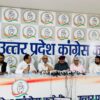
The decision has triggered a sharp debate. Congress MLA Qazi Nizamuddin criticised the move, calling it unconstitutional and divisive. AIMIM leader Asaduddin Owaisi had earlier condemned similar restrictions at Har Ki Pauri in Haridwar, describing them as a violation of the principle of equality and a mockery of the Constitution.
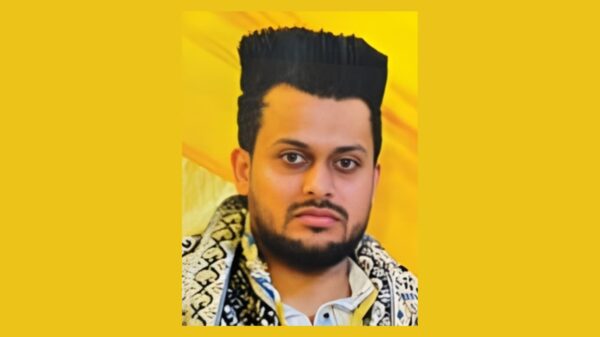
On the other side, Dr. Imam Umar Ahmed Ilyasi, Chief Imam of the All India Imam Organisation, expressed support for the decision. He said every religion has its own rules and sanctity and that outsiders should respect these boundaries. He drew a parallel with the practice in Mecca and Medina, where non-Muslims are not permitted entry.
Uttarakhand Chief Minister Pushkar Singh Dhami declined to take a direct position, saying religious sites are managed by bodies such as the Tirtha Sabha, Ganga Sabha, Kedar Sabha and the BKTC, and that decisions should be made in consultation with them. He said the government would respect the views of those who oversee these sacred places.