The Election Commission of India (ECI) has appealed against the inclusion of more than 76,000 voters cleared by judicial officers during the Special Intensive Revision (SIR) of electoral rolls in two constituencies in West Bengal, with nearly all the voters having names commonly associated with Muslims, an investigation by The Wire has found.
The two constituencies, Samserganj in Murshidabad district and Sujapur in Malda district, illustrate how voters cleared during judicial scrutiny could still face deletion through appeals filed by the commission.
According to appeal records collected and verified by the Civic Research Group and shared with The Wire, the ECI challenged the inclusion of 15,195 voters cleared by judicial officers in Samserganj and 61,066 in Sujapur.
In both constituencies, almost all the appeals were reportedly lodged on April 5, 2026, just two days before the electoral roll was frozen for the West Bengal Assembly election.
Two Constituencies, Two Routes to Voter Deletion
In Samserganj, judicial officers placed 1,08,400 voters under adjudication and declared 74,775 ineligible, the highest number in any constituency in the state. They cleared 33,152 voters, against 15,195 of whom the ECI subsequently filed appeals.

In Sujapur, judicial officers examined 1,34,521 voters and removed 26,829, clearing 1,07,690. The commission appealed against 61,066 of those cleared, more than twice the number initially removed by the judges.
If all the appeals succeed, Samserganj would lose 83% of the voters placed under adjudication, while Sujapur would lose 65%.
In Sujapur alone, the number of voters removed from the adjudicated group could rise from 26,829 to 87,895 if every appeal is upheld.
The records examined by The Wire cover all 1,07,690 voters cleared in Sujapur and 31,896 of the 33,152 cleared in Samserganj.
Nearly All Appealed Voters Have Muslim-Associated Names
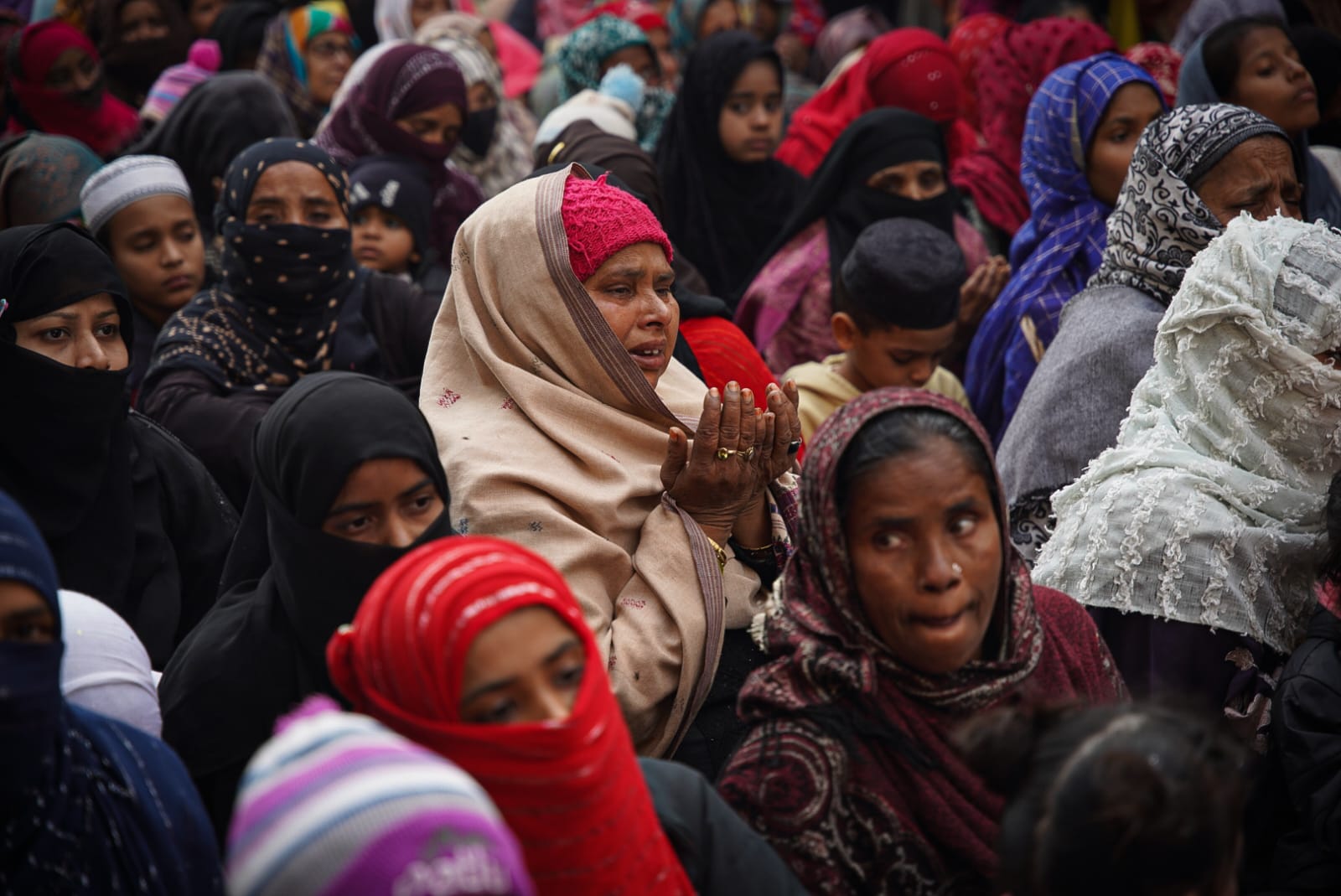
The investigation found that 15,177 of the 15,195 voters challenged by the ECI in Samserganj, or 99.9%, had names commonly associated with Muslims. In Sujapur, the figure was 60,823 out of 61,066, or 99.6%.

The report cautioned that these figures do not establish that the commission specifically selected Muslim voters from among those cleared by judicial officers. Muslim residents account for approximately 72% of Samserganj’s population and 75% of Sujapur’s population.
However, the investigation pointed to disparities earlier in the revision process. In April, The Wire reported that polling booths in Samserganj where Muslims constituted at least half the population had an average of 467 voters placed under adjudication, compared with 65 in other booths.
The latest findings indicate that those cleared after scrutiny, and subsequently challenged by the commission, overwhelmingly have Muslim-associated names.
In Sujapur, voters whose names were not commonly associated with Muslims were appealed against at a higher rate, around 86%, compared with 57% among those with Muslim-associated names. The report found that these cases were concentrated in nine electoral roll parts, suggesting that appeals may have been filed in batches rather than through individual selection.
Most Appeals Share a Single Timestamp
The investigation also examined the identification codes attached to pending appeals. According to The Wire, activists working on the SIR had decoded the structure of these IDs, and the publication independently verified their interpretation.
Of 76,156 pending appeals examined across the two constituencies, 72,838, or 96%, shared a timestamp corresponding to April 5, 2026.
In Sujapur, 59,972 appeals, approximately 98% of the total, shared that timestamp. In Samserganj, 12,866 appeals, or 85%, did so.
The report found that the appeal IDs appeared to have been generated in batches organised by electoral roll part. In Sujapur, the relevant series ran from 0 to 60,014, with 43 numbers missing. In Samserganj, it ran from 0 to 13,153, with 288 numbers missing.
The publication said the sequence of IDs followed the order of electoral roll parts rather than voters’ serial numbers or the dates on which their eligibility had been rejected.
It also found that online appeals in the G series appeared to have been filed individually on different dates. There were 423 such appeals in Samserganj and 37 in Sujapur.

Appeals Exceed Winning Margins in Both Seats
The scale of the appeals is significant when compared with the results of the April Assembly election.
The Trinamool Congress retained both constituencies, with the Congress finishing second in each.
In Samserganj, TMC candidate Mohammed Noor Alam won by 7,587 votes. The ECI’s appeals cover 15,195 voters, roughly twice the victory margin.
In Sujapur, TMC candidate Sabina Yeasmin won by 60,287 votes. The 61,066 voters challenged by the commission slightly exceed her winning margin.
The appeals do not automatically mean that these voters will be removed, as the tribunals must decide the cases. However, the outcome could affect the electoral rolls in future elections, including municipal polls.
In Sujapur, the number of appealed voters is also equivalent to nearly a quarter of the constituency’s draft electoral roll, which contained 2,56,276 voters.
Most Appeals Remain Pending
The investigation found that tribunals had decided only 105 appeals across the two constituencies: 89 in Sujapur and 16 in Samserganj. The remaining cases were pending before tribunals in Kolkata.
According to The Wire, tribunals have been unable to upload orders since September 21 after judges objected to an ECI portal requirement to log in using Aadhaar credentials.
The commission has not publicly explained the grounds for the individual appeals, according to the report. It has also not clarified why such a large proportion of appeals shared a single timestamp or whether each case was individually reviewed before being filed.