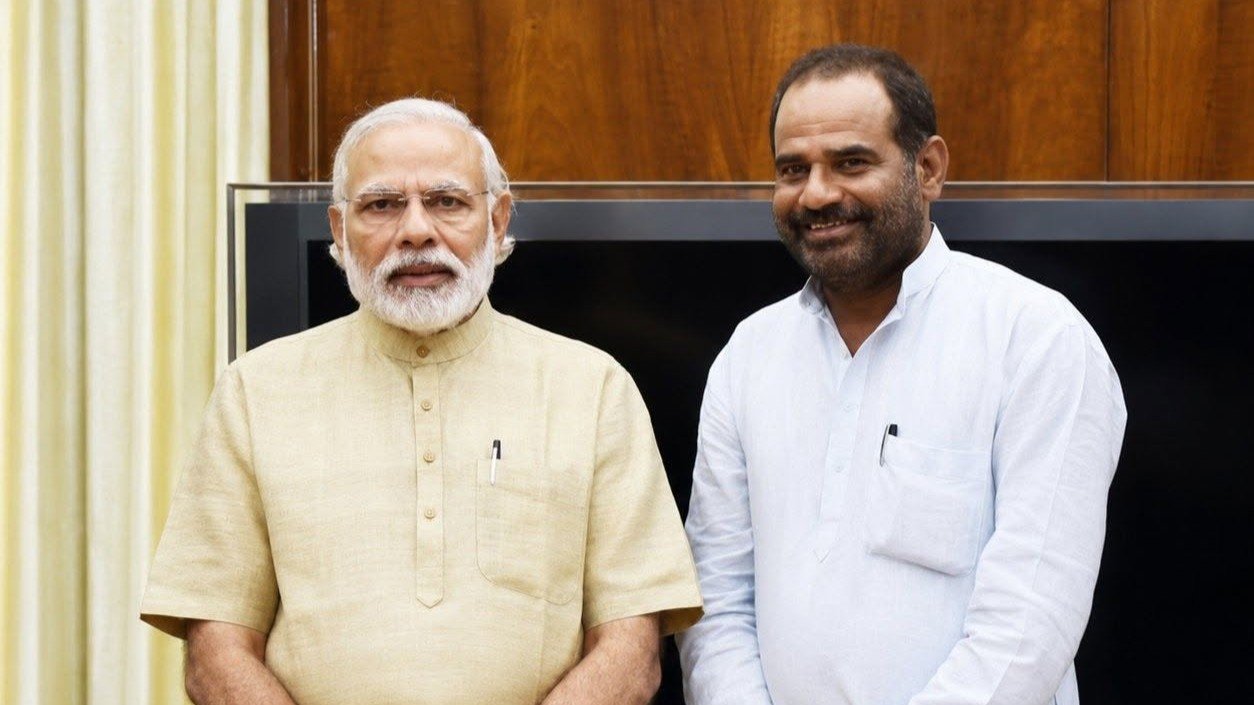
Senior BJP leader Ramesh Bidhuri has sparked controversy after claiming that those protesting at Jantar Mantar against the NEET paper leak were mostly “puncture repairers and locksmiths” rather than students.
Speaking at a BJP “Gen Z Summit” in Delhi on Sunday, Bidhuri criticised the language used by some protesters against Prime Minister Narendra Modi during the demonstration.
‘Puncture Repairers and Locksmiths Were in Larger Numbers’
Referring to the protest, Bidhuri said, “Puncture banane wale, tala banane wale (those who repair tyre punctures and locksmiths) were there in larger numbers. Students were fewer in number.”
In another remark, he said, “Can the sons and daughters of India talk like this about Modi ji and his family? They must be the children of puncture repairers who were using such words against Modi ji.”
The comments have drawn criticism from opposition leaders and social media users, with many interpreting the references to “puncture repairers” and “locksmiths” as a veiled allusion to Muslims, as these occupations are often stereotypically associated with members of the community in political discourse.
Criticises Opposition Over NEET Protest
Bidhuri also accused Opposition parties of misleading young people into participating in the Jantar Mantar protest, which demanded the resignation of then Union Education Minister Dharmendra Pradhan over the NEET paper leak controversy.
According to Bidhuri, the gathering comprised more non-students than actual NEET aspirants.
Remarks Follow PM Modi’s Appeal
Bidhuri’s comments came shortly after Prime Minister Modi addressed the controversy surrounding abusive slogans raised against him during the protest.
In a video message released on August 1, Modi said he was hurt that abusive remarks had also been directed at his late mother. However, he appealed for restraint, describing the protesters as “misguided children” and saying they should be guided rather than punished.
The Jantar Mantar protest was organised to demand accountability over the alleged irregularities in the NEET examination and drew students, activists and political leaders from various organisations.