Breaking India Indian Muslims Dalits Hate Watch Minorities Law Science & Technology Education
---Advertisement---

Calcutta High Court Bars Circulation of Modi and Adani Documentary Until January 31, 2027

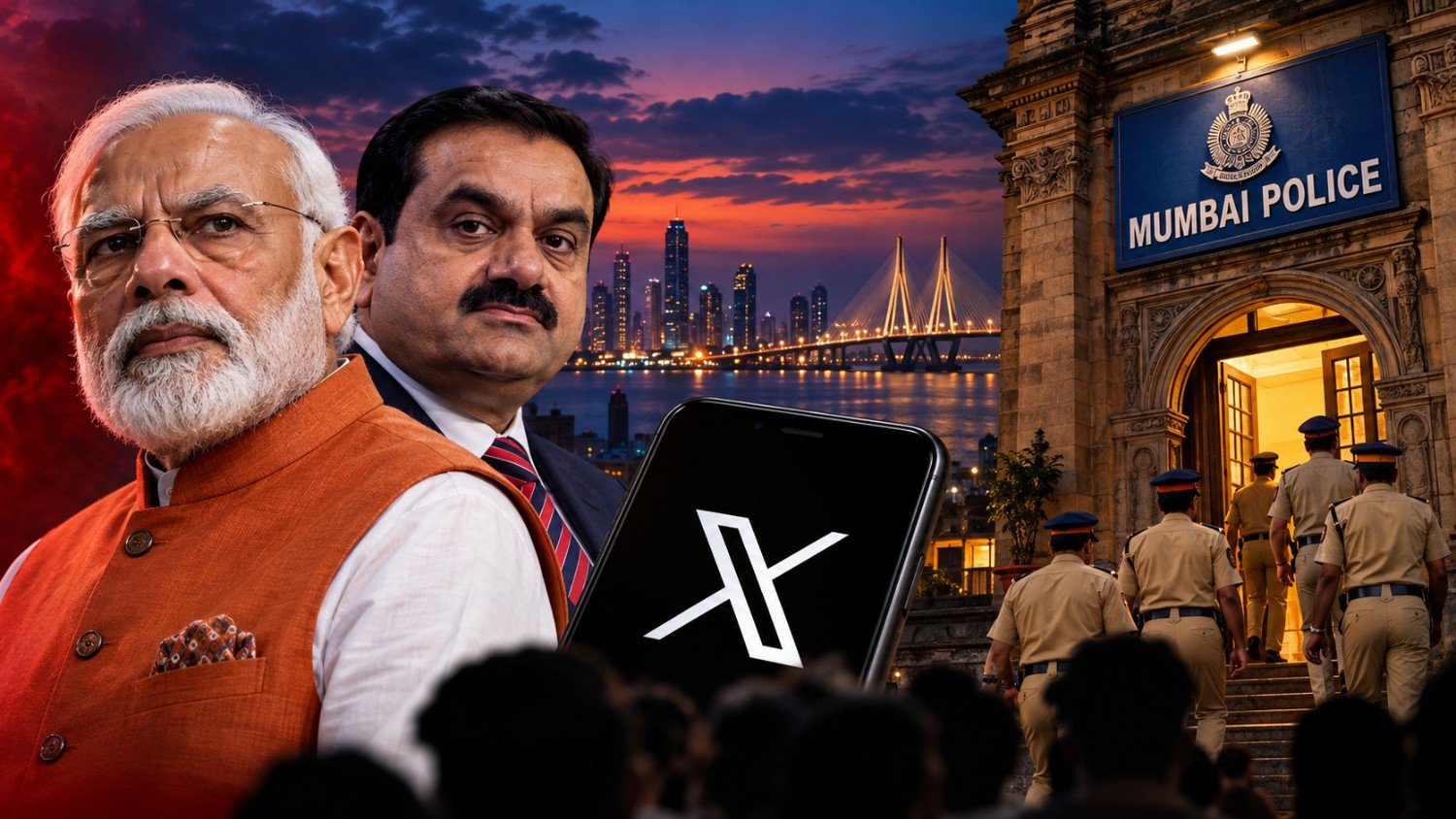
The Calcutta High Court has barred the publication and circulation of a documentary alleging close ties between Prime Minister Narendra Modi and industrialist Gautam Adani until January 31, 2027, or until further orders. The interim injunction was issued on Monday by Justice Aryak Dutt after Adani Enterprises Limited filed a defamation suit against tech entrepreneur Sabeer Bhatia and others, seeking damages and a ban on the video’s circulation. Titled The Friendship Files: How Modi and Adani Stole India, the 36 minute video essay was uploaded to Bhatia’s YouTube channel, Bcubed, on October 9. It was also shared on X and other social media platforms. The court restrained the respondents, including YouTube, X and Instagram, from publishing, reuploading, sharing or otherwise distributing the video. The restriction also covers clips, excerpts, shortened versions and substantially identical reproductions of the content. Court Calls Video a Dramatised Narrative In its order, the court said the documentary was not a news report or an account of proceedings but a dramatised narrative that presented its allegations through narration and visuals as factual. The bench observed that the title itself insinuated theft and contained allegations against the Adani Group that had not been substantiated by any authority. While acknowledging that pretrial injunctions in defamation cases involving matters of public interest must be granted cautiously, the court said it was of the prima facie view that the case fell within an exceptional category warranting such relief. The court directed the respondents to remove the video and any clips or reproductions containing the allegedly defamatory statements from accounts, channels and pages under their control. It also ordered social media platforms to block access to the video at the URLs identified in Adani Enterprises’ petition and disable reposts, quote posts, shares and other engagements through which the content remained accessible. However, the court clarified that its order did not prohibit constructive criticism or fair reporting on the Adani Group or government policies, provided such content did not involve the video, its reproductions or the allegedly defamatory statements identified in the case. Social Media Platforms Asked to Preserve Records YouTube, X and Instagram have been directed to preserve subscriber and registration details, internet protocol logs recorded at the time of upload, and access logs linked to the accounts and URLs mentioned in the petition. The platforms must also submit basic subscriber information for accounts whose owners cannot be identified, through affidavits in a sealed cover within two weeks of receiving the order. The court further directed the platforms to stop serving advertisements on the specified URLs or sharing revenue generated from the video. They were also asked to preserve records of any advertising revenue earned from the content. The petitioner told the court that access to the original YouTube upload had been disabled in India, apparently following a government complaint under the Information Technology Rules, 2021. However, it alleged that the video continued to circulate through other YouTube channels, X accounts and Instagram Reels. Adani Enterprises’ counsel argued that the video contained false allegations against the company and that the right to reputation was an integral part of Article 21 of the Constitution. The court directed the respondents to file their replies within four weeks of receiving the petition. Adani Enterprises has been given another two weeks to respond. The matter is scheduled to be heard by the regular bench in January. Sabeer Bhatia Values His Reputation at Zero Reacting to the lawsuit, Bhatia said on social media that Adani Enterprises had valued the alleged damage to its reputation at Rs 50 crore, but he considered the value to be zero. “I contend that wealth acquired through alleged wrongdoing does not confer credibility or reputation,” Bhatia wrote. “My valuation of that reputation? Rs 0. And if the reputational damage is zero, the compensation should be zero,” he added. “Rs 50 crore demanded. Rs 0 deserved,” Bhatia said. Raj Thackeray Says He Deleted Video After Police Request Meanwhile, Maharashtra Navnirman Sena chief Raj Thackeray said he had removed the documentary from his social media accounts following a request from the Mumbai police commissioner. His statement came days after Mumbai Police issued legal notices to X users who had shared the video. MNS leaders questioned whether the police had faced pressure to make the request. Thackeray claimed that the video had received more than 48 lakh views on X and said he had shared it to inform the public. He also said he had been raising concerns about the relationship between Modi and Adani since January 2026, before the Brihanmumbai Municipal Corporation elections. “The Mumbai and Maharashtra Police are the most efficient police force in the country, and I have always had respect for them in my heart. I am just honouring the request made by the head of such a Mumbai Police,” he wrote on X.
---Advertisement---

The Calcutta High Court has barred the publication and circulation of a documentary alleging close ties between Prime Minister Narendra Modi and industrialist Gautam Adani until January 31, 2027, or until further orders.

The interim injunction was issued on Monday by Justice Aryak Dutt after Adani Enterprises Limited filed a defamation suit against tech entrepreneur Sabeer Bhatia and others, seeking damages and a ban on the video’s circulation.

Titled The Friendship Files: How Modi and Adani Stole India, the 36 minute video essay was uploaded to Bhatia’s YouTube channel, Bcubed, on October 9. It was also shared on X and other social media platforms.

The court restrained the respondents, including YouTube, X and Instagram, from publishing, reuploading, sharing or otherwise distributing the video. The restriction also covers clips, excerpts, shortened versions and substantially identical reproductions of the content.

Court Calls Video a Dramatised Narrative

In its order, the court said the documentary was not a news report or an account of proceedings but a dramatised narrative that presented its allegations through narration and visuals as factual.
The bench observed that the title itself insinuated theft and contained allegations against the Adani Group that had not been substantiated by any authority.

While acknowledging that pretrial injunctions in defamation cases involving matters of public interest must be granted cautiously, the court said it was of the prima facie view that the case fell within an exceptional category warranting such relief.

The court directed the respondents to remove the video and any clips or reproductions containing the allegedly defamatory statements from accounts, channels and pages under their control.

It also ordered social media platforms to block access to the video at the URLs identified in Adani Enterprises’ petition and disable reposts, quote posts, shares and other engagements through which the content remained accessible.

However, the court clarified that its order did not prohibit constructive criticism or fair reporting on the Adani Group or government policies, provided such content did not involve the video, its reproductions or the allegedly defamatory statements identified in the case.
Social Media Platforms Asked to Preserve Records

YouTube, X and Instagram have been directed to preserve subscriber and registration details, internet protocol logs recorded at the time of upload, and access logs linked to the accounts and URLs mentioned in the petition.

The platforms must also submit basic subscriber information for accounts whose owners cannot be identified, through affidavits in a sealed cover within two weeks of receiving the order.

The court further directed the platforms to stop serving advertisements on the specified URLs or sharing revenue generated from the video. They were also asked to preserve records of any advertising revenue earned from the content.

The petitioner told the court that access to the original YouTube upload had been disabled in India, apparently following a government complaint under the Information Technology Rules, 2021. However, it alleged that the video continued to circulate through other YouTube channels, X accounts and Instagram Reels.

Adani Enterprises’ counsel argued that the video contained false allegations against the company and that the right to reputation was an integral part of Article 21 of the Constitution.
The court directed the respondents to file their replies within four weeks of receiving the petition. Adani Enterprises has been given another two weeks to respond.

The matter is scheduled to be heard by the regular bench in January.

Sabeer Bhatia Values His Reputation at Zero

Reacting to the lawsuit, Bhatia said on social media that Adani Enterprises had valued the alleged damage to its reputation at Rs 50 crore, but he considered the value to be zero.

“I contend that wealth acquired through alleged wrongdoing does not confer credibility or reputation,” Bhatia wrote.

“My valuation of that reputation? Rs 0. And if the reputational damage is zero, the compensation should be zero,” he added.
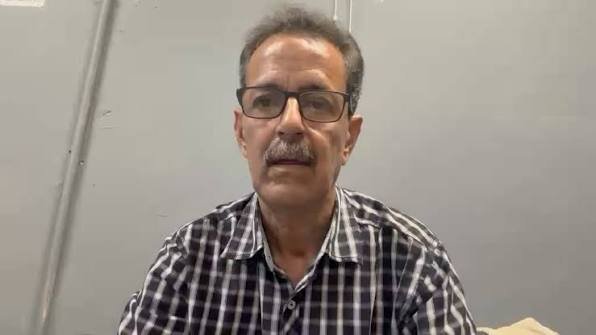
“Rs 50 crore demanded. Rs 0 deserved,” Bhatia said.

Raj Thackeray Says He Deleted Video After Police Request

Meanwhile, Maharashtra Navnirman Sena chief Raj Thackeray said he had removed the documentary from his social media accounts following a request from the Mumbai police commissioner.

His statement came days after Mumbai Police issued legal notices to X users who had shared the video. MNS leaders questioned whether the police had faced pressure to make the request.

Thackeray claimed that the video had received more than 48 lakh views on X and said he had shared it to inform the public. He also said he had been raising concerns about the relationship between Modi and Adani since January 2026, before the Brihanmumbai Municipal Corporation elections.

“The Mumbai and Maharashtra Police are the most efficient police force in the country, and I have always had respect for them in my heart. I am just honouring the request made by the head of such a Mumbai Police,” he wrote on X.
Join WhatsApp

Join Now

Join Telegram

Join Now