A new study has warned that climate change is making the annual Hajj pilgrimage increasingly dangerous, with rising temperatures in Mecca exposing millions of pilgrims to extreme heat even outside the traditional summer months.
Researchers from the UK-based World Weather Attribution group said global heating caused by fossil fuel emissions has “fundamentally altered” Mecca’s climate, shrinking the safer periods for one of Islam’s holiest journeys.
The study found that temperatures of 40°C, which were once mostly limited to summer, are now regularly recorded in May. Scientists warned that unless there is a rapid shift away from fossil fuels, Hajj could face dangerous heat conditions almost throughout the year by the end of the century.
Mecca Temperatures Now Similar to Summer of the 1980s
According to the researchers, average temperatures in May in Mecca are now around 3.5°C higher than in pre-industrial times due to human-caused climate change.
“Temperatures recorded in Mecca in May are now typical of summer in the 1980s, as climate change shrinks the safe window for the hajj,” the study said.

The Hajj pilgrimage follows the Islamic lunar calendar, moving around 10 to 11 days earlier every year in the Gregorian calendar. This means the pilgrimage shifts through different seasons over a cycle of about 33 years.
Although Hajj is expected to gradually move closer to winter in the coming years, researchers warned this temporary relief may not offset the growing impact of rising temperatures.
Heat-Related Deaths During Previous Hajj
The warning comes after more than 1,300 pilgrims reportedly died during the 2024 Hajj, when temperatures crossed 50°C during the June pilgrimage.
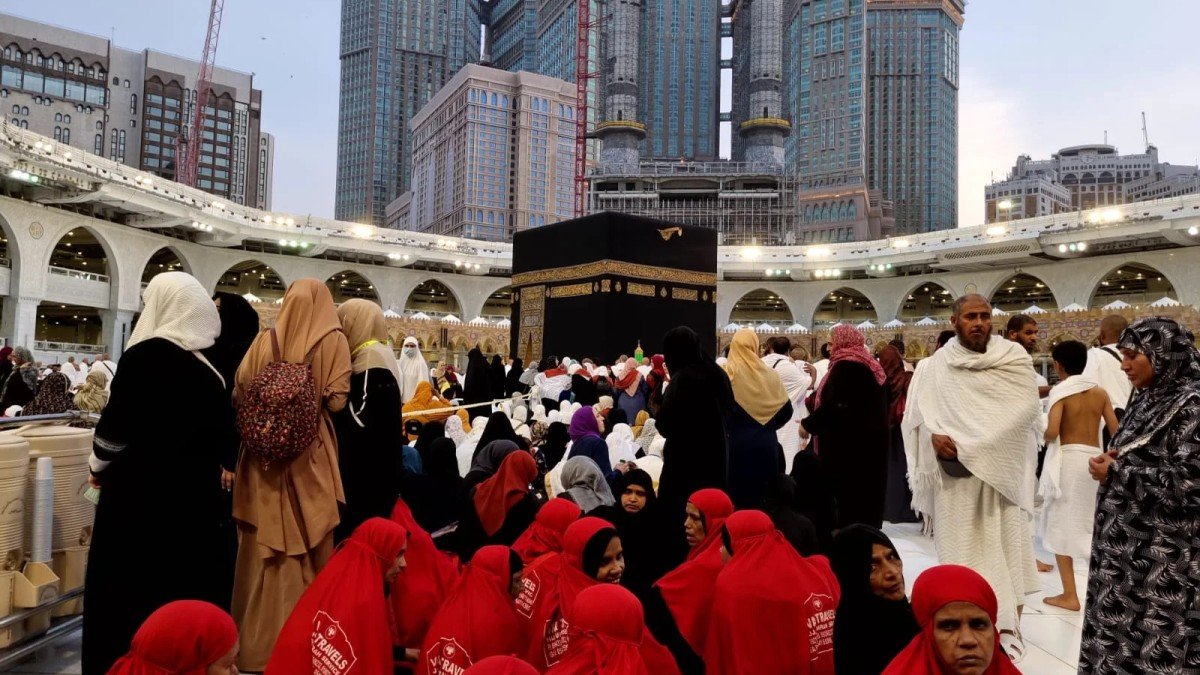
This year’s Hajj, held at the end of May, also saw temperatures crossing 40°C, exposing hundreds of thousands of pilgrims to intense heat during outdoor rituals.
“Climate change is extending the duration of extreme heat in Mecca into historically cooler months,” the researchers said, adding that temperatures above 32°C, once common only in summer between 1970 and 1990, are now expected almost every May.

Experts Call for Climate Action
Professor Friederike Otto of Imperial College London, one of the study’s authors, said immediate action is needed to reduce dependence on fossil fuels.
“If we don’t rapidly reduce our dependence on fossil fuels, we are resigning ourselves to the fact that millions of Muslims will be forced to carry out the Hajj rituals in a climate that is simply unsuitable for it,” Otto said.
Dr Clair Barnes, another researcher involved in the study, said the period considered safe for Hajj is becoming shorter.
“Our analysis shows very clearly that less of the year is now safe for the millions of Muslims who wish to undertake the hajj. As long as we continue to burn fossil fuels, the window for bearable hajj temperatures will continue to shrink,” Barnes said.
Saudi Arabia Strengthens Heat Measures
Following the deadly heat wave during the 2024 pilgrimage, Saudi authorities introduced stronger heat protection measures, including shaded walkways, misting fans, cooling stations, air conditioning and expanded medical services.

According to the Saudi Red Crescent, emergency services were provided to more than 83,000 people during this year’s Hajj season.
However, experts say adaptation measures alone may not be enough if global temperatures continue to rise.
A previous study published in 2019 had also warned that heat stress during Hajj could exceed “extreme danger” levels between 2047 and 2052, and again between 2079 and 2086, raising fresh concerns about the future safety of one of the world’s largest religious gatherings.