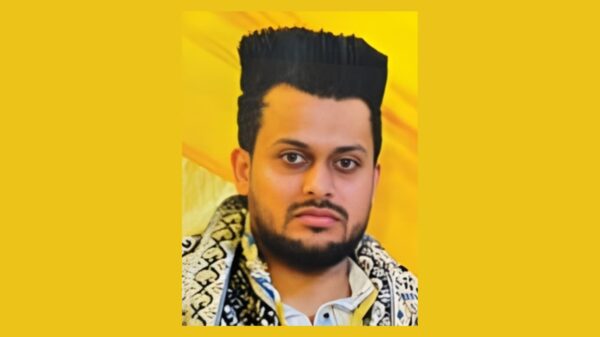
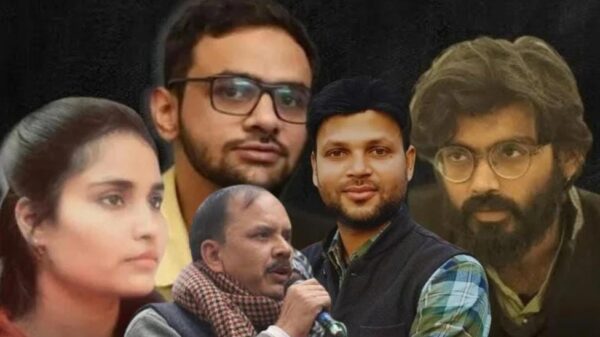




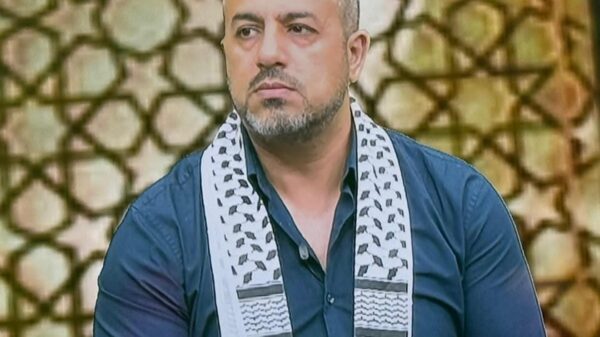

















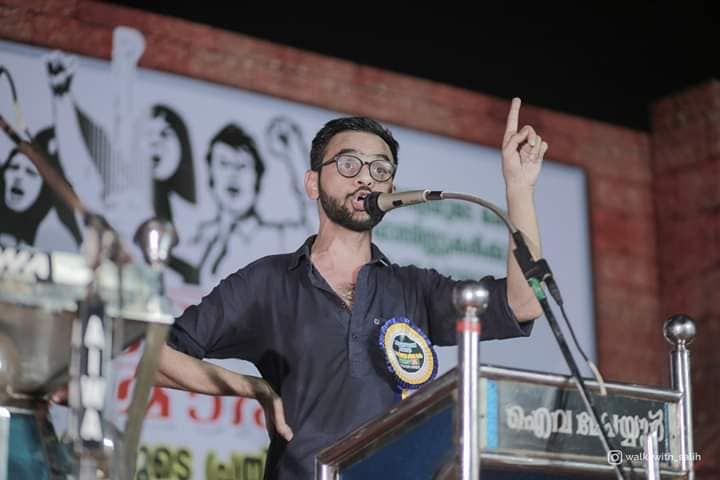
A Delhi court on Thursday granted interim bail to activist Umar Khalid so he can attend his sister’s wedding. Khalid, who is 38, has been in jail since September 2020 in a case linked to the alleged larger conspiracy behind the 2020 Delhi riots. He has repeatedly denied the accusations.
Khalid had asked the Karkardooma Court for bail from December 14 to December 29, saying his sister’s wedding is on December 27 and that he is needed for the ceremonies and preparations. The court eventually allowed him to be out from December 16 to December 29, asking him to submit a personal bond of Rs 20,000 and two sureties of the same amount. A similar request had been approved last year for a family wedding, and in 2022 he was also given a week’s interim bail for his sister’s marriage.
The court said it was considering the fact that this is the wedding of Khalid’s real sister. It barred him from contacting any witness or anyone related to the case and asked him to give his mobile number to the investigating officer and keep the phone active. He cannot use social media while on interim bail and can meet only family members, relatives and friends. He must stay either at home or at the venues of the wedding functions he mentioned in his application. He has been ordered to surrender before the jail authorities on the evening of December 29, after which the Superintendent will file a compliance report.
Former Jammu and Kashmir Chief Minister Mehbooba Mufti reacted to the order with sharp criticism of the justice system. She said it was “tragic and puzzling” that Umar Khalid had to wait five years just to get thirteen days of parole to attend his sister’s wedding. She compared his situation to that of Gurmeet Singh, a convict in a rape and murder case, saying he “walks in and out on repeated paroles.” She said the contrast shows “a troubling inconsistency and bias” in the system.
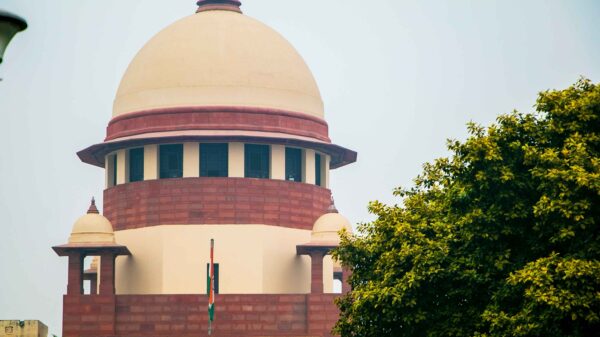
A day earlier, the Supreme Court reserved its judgment on the bail pleas of Khalid, Sharjeel Imam and others who are charged under UAPA in the same case. The Delhi Police opposed their pleas, telling the court that the 2020 violence in Northeast Delhi was not spontaneous but an “orchestrated, pre-planned and well-designed” attack on the country’s sovereignty.