


































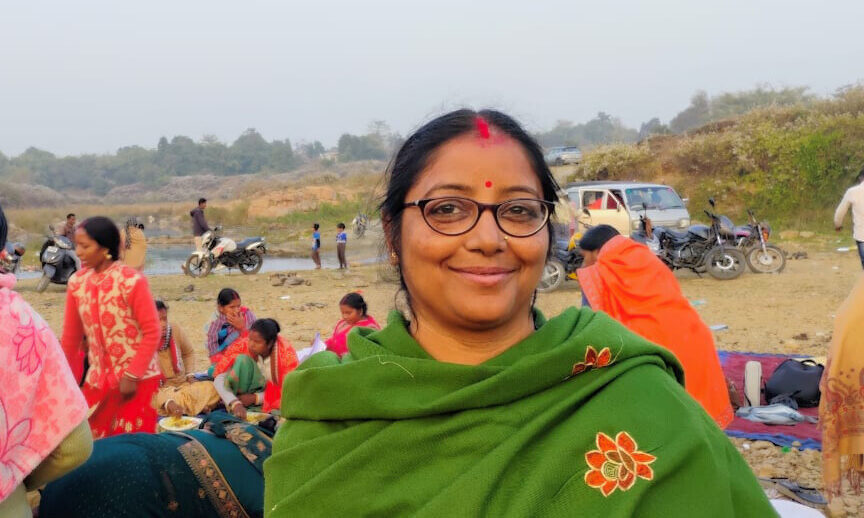
“Us din kuch andar se toot gaya tha. Main khud se sharminda thi. Kya ek aurat ka samman uski jaati se tay hota hai?” or in her own words, “Something inside me broke that day. I was ashamed of myself. Does a woman’s dignity get decided by her caste?” This was Sonali Devi’s awakening in the village of Angwali Uttari in Jharkhand’s Bokaro district.
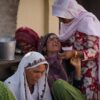
Unlike others, Sonali could not ignore the way the Didis who cared for her and her child were treated based solely on their caste. While she was expecting, a woman from a backward caste would come to massage her. Yet, every time the woman left, Sonali was expected to clean the spot she had touched. “Sirf isliye kyunki usne chhoo liya tha,” or “just because she had touched it,” deeply disturbed her.
Determined to break this cycle, Sonali offered the woman a chair instead of letting her sit on the floor the next time. Yet, she was again asked to clean it afterward. The incident stayed with her, and she made a promise: “Tab maine tay kiya—main is chuppi ka hissa nahi banoongi,” meaning, “That’s when I decided—I won’t be part of this silence anymore.”
This resolve became the foundation of her journey. Since joining PRADAN in 2018, Sonali has mobilized women, conducted trainings, and spread awareness about equality and gender justice across communities. She educates others about equal rights under the Constitution, helping women see the value of fairness and dignity. The Constitution became a powerful tool in her work, giving her a language and authority to advocate for others.
Her understanding deepened after attending training by We, The People Abhiyan. She realized that constitutional acts, sections, and rights were not just words—they were her voice. Since then, she has written applications citing laws, addressing issues more effectively, and leading discussions on domestic violence, child marriage, and women’s rights, grounded in equality and justice.
The path has not been easy. Sonali walked hours to attend panchayat meetings and consistently challenged entrenched beliefs about women’s roles. She met women who prioritized caring for their husbands and children over their own well-being, showing resistance or disinterest in learning about their rights. Mobilizing them proved one of the most demanding parts of her work.
She recalls using an everyday example to explain gender equality through chapatis. “Agar ghar mein 5 roti ho aur pati aur 3 bacche ho, to tum roti kaise baantogi?” she would ask. One woman replied, “Do pati ko, ek-ek baccho ko, main nahi khaungi. Pati kheton mein kaam karta hai.” Sonali responded, “Aur tumhara kaam? Ghar, bachche, sab tum sambhalti ho. Tumhara haq bhi utna hi hai. Samvidhaan kehta hai—barabari ka adhikar hai,” translating to, “And what about your work? You manage the house, the children, everything. You have an equal right. The Constitution says—we all have the right to equality.”
Through such innovative methods, Sonali has reached over 2,000 women, building their confidence to speak and act. Despite facing resistance and social stigma, her voice is now recognized in Gram Sabha meetings, where she works closely with the panchayat, Block administration, District Collector, and even engages with the police when necessary.
From a quiet discomfort to a fearless voice, Sonali turned her personal realization into public purpose. She ensured that the Didis were treated with respect and helped women claim their rightful share of the five rotis. Each conversation and action shifts what equality looks like—at home, in the village, and in the hearts of women.