















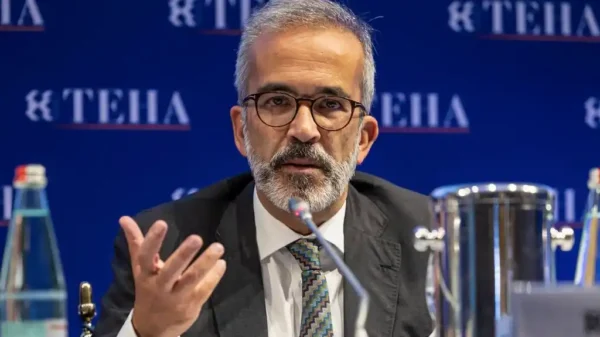









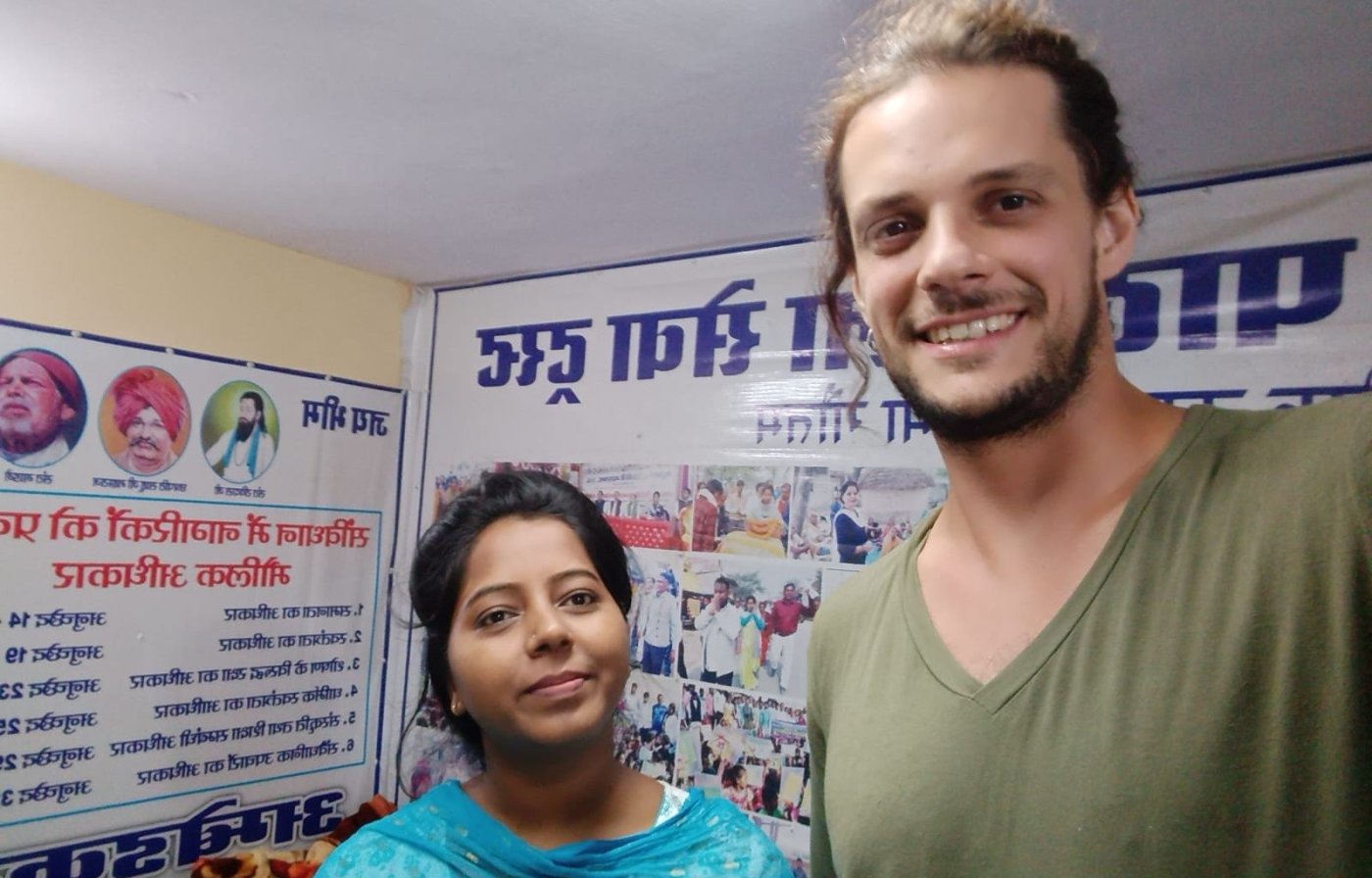
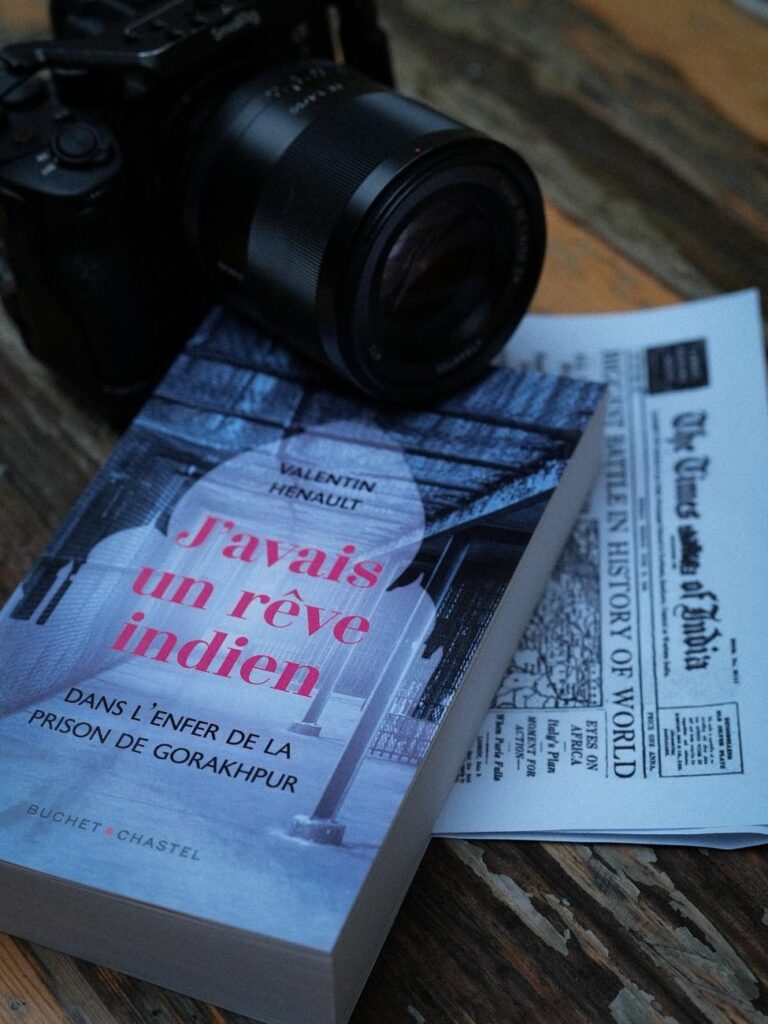
French documentary filmmaker and author Valentin Hénault came to India in 2023 with hopes of documenting the struggles of Dalit women in Bihar, Jharkhand, and Uttar Pradesh. “I had an Indian dream like others had an American dream,” Hénault writes in his new memoir J’avais un rêve indien. Dans l’enfer de la prison de Gorakhpur, which was launched in India on January 15, 2026. The title translates to I Had an Indian Dream: In the Hell of Gorakhpur Prison.
Hénault’s dream soon turned into a nightmare when he attended a peaceful Dalit rights protest in Gorakhpur, Uttar Pradesh, on October 10, 2023. The protest, organized by Ambedkar Jan Morcha, focused on land rights for landless Dalits, OBCs, and Muslims. He says he was only observing and not filming or participating. “I was just there. I was not filming anything. I was just present,” Hénault told The Print.
Arrest and Charges
Soon after arriving at the protest, Hénault was surrounded by police, taken to his hotel, and arrested. Authorities accused him of violating the terms of his business visa under Section 14B of the Foreigners Act. Police also claimed he had funded the protest, allegations that Hénault strongly denied. “I think the real goal of the arrest was to make a little media buzz about how a heroic police force in Gorakhpur arrested a dangerous foreigner,” he said.
Hénault spent about a month in Gorakhpur prison. He described the conditions as overcrowded and unhygienic. “There were around 200 prisoners in a barrack. You have no space at night, even to move or turn around. You sleep on the floor. You are provided nothing, not even sheets,” he said. He was later moved to a cell for mentally unstable inmates, where he received slightly better treatment due to his foreign status. Hénault called it white privilege but found the experience disheartening.
Life Inside Gorakhpur Jail
Hénault’s memoir is structured in sixteen chapters and documents both his experience and the stories of fellow inmates. He witnessed people dying in jail and saw caste and religion influence living conditions. “People were Brahmins in the center. And then next to the toilets, where it is very dark, were dozens of people, obviously from lower castes,” he said.
“There is one barrack where they used to put all the Muslims in the same place,” Hénault said.
Despite the harsh conditions, he found a sense of purpose in writing. “From the very first day, I tried to get a pen, to get paper, and start writing everything I was witnessing. It really allowed me to find a sense of being in jail. And to resist. It was a kind of resistance to write,” Hénault said.
Political Motives and Media Coverage
Hénault believes his arrest was politically motivated to discredit the protest and create a narrative of foreign interference. Local media sensationalized the story, suggesting the protest received foreign funding. “I was often asked by the police and the administration of the jail, ‘Why were you in Gorakhpur?’ as if my mere presence was suspicious,” he told Article 14. Dalit activist Seema Gautam supported Hénault’s account, saying, “They did it to defame us and to negatively impact our movement for the landless. We have not received a penny of foreign funding.”
Release and Reflection
Hénault was released on bail on November 10, 2023, but faced bureaucratic hurdles as his visa was cancelled and a Look Out Circular was issued. He could finally leave India on May 4, 2024. Reflecting on the experience, he said, “I still love India. I have a more political vision of what India is now and less exotic. The romanticism has faded, replaced by clarity. I am seeing more clearly what India is.”