



















































The Union government introduced the Transgender Persons Protection of Rights Amendment Bill 2026 in the Lok Sabha on Friday, proposing changes to the existing 2019 law. The most contested provision removes the clause allowing self-perceived gender identity as the basis for obtaining a transgender certificate, replacing it with a certification process involving a medical board headed by a Chief Medical Officer. The CPI(M) has strongly opposed the bill and demanded its immediate withdrawal, calling it an assault on constitutional rights.
What the Bill Proposes
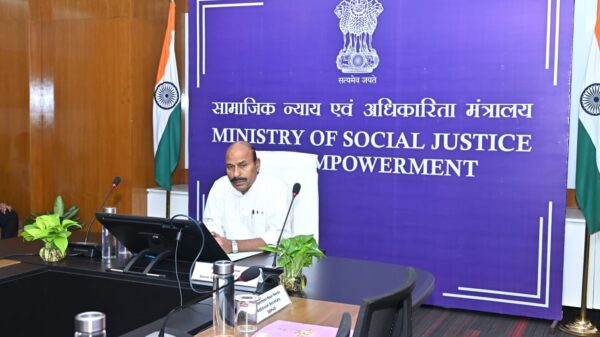
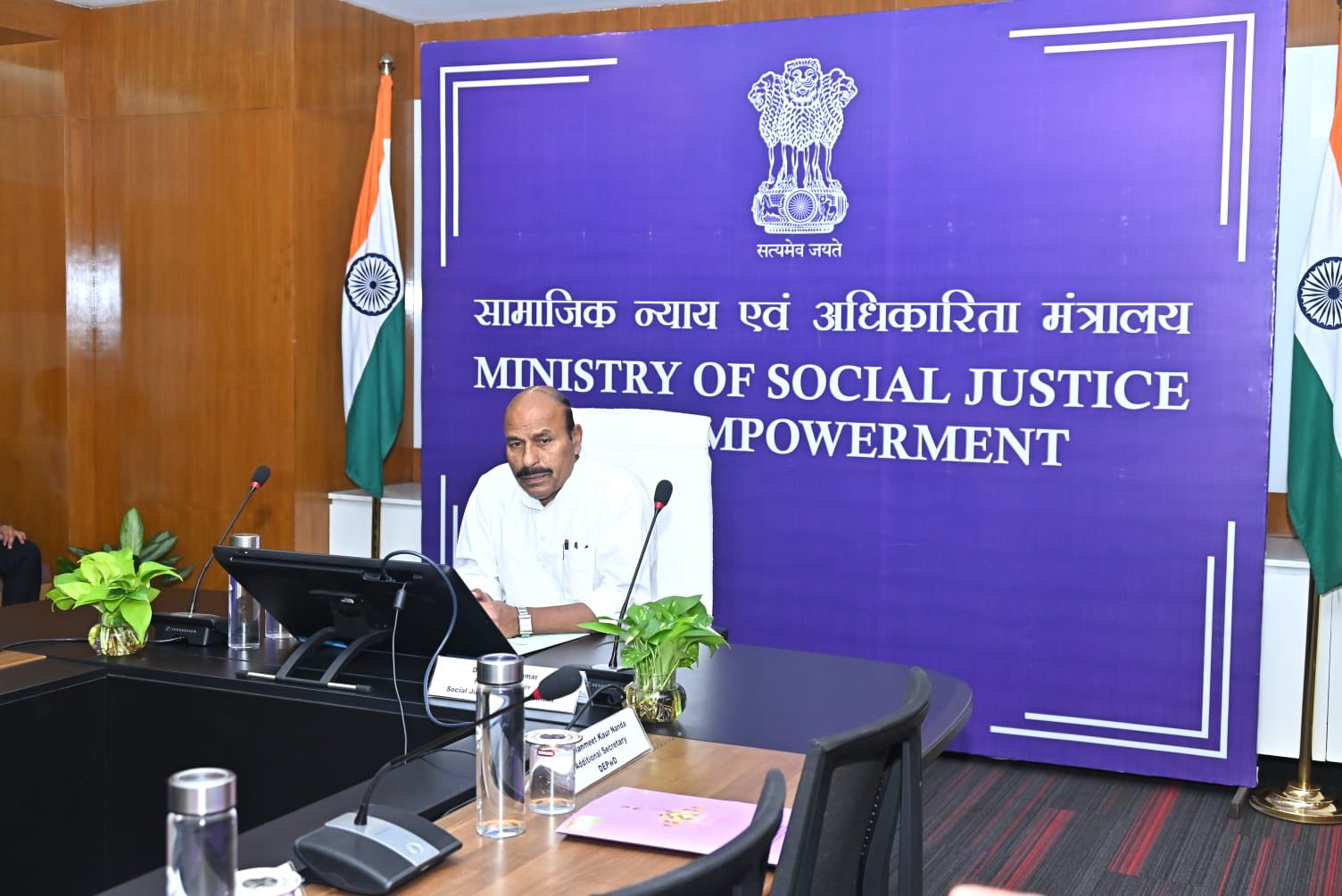
Social Justice and Empowerment Minister Virendra Kumar introduced the bill, saying the existing definition of transgender persons was too vague and was preventing genuine beneficiaries from accessing the protections the law was meant to provide.
The bill explicitly states that a transgender person shall not include persons with different sexual orientations or self-perceived sexual identities. It argues that protections under the Act cannot be extended on the basis of acquirable characteristics, personal choice or claimed self-perceived identity.
The new definition of a transgender person is restricted to those belonging to socio-cultural identities such as kinner, hijra, aravani and jogta, eunuchs, persons with intersex variations, or individuals born with congenital variations in sex characteristics. The bill also includes within its definition anyone who has been compelled through force, allurement or deceit to assume a transgender identity through mutilation, castration or surgical, chemical or hormonal procedures.
Under the new process, a person seeking a transgender identity certificate would have to apply through a medical board, and the District Magistrate would issue the certificate only after examining the board’s recommendation. Currently, a person submits an affidavit of self-perceived identity and the DM verifies documents and approves the certificate.
Stricter Punishments for Crimes Against Trans Persons
The bill also proposes significantly tougher penalties for offences against transgender persons. Crimes such as compelling a trans person to engage in bonded labour, denying access to public places, forcing eviction from home or village, and physical, sexual, verbal or economic abuse would attract imprisonment ranging from six months to two years.
Kidnapping a trans person and subjecting them to mutilation, castration or surgical procedures to force a transgender identity against their will would attract ten years to life imprisonment along with a fine of up to Rs 2 lakh. If the victim is a child, the punishment would be life imprisonment and a fine of Rs 5 lakh. Forcing any person to present themselves as transgender against their will and engage in begging or forced labour would attract five to ten years in jail, and fourteen years if the victim is a child.
CPI(M) Calls It Unconstitutional, Demands Withdrawal
The CPI(M) Politburo issued a strong statement on Saturday opposing the bill. The party said the amendments fundamentally negate the principle of self-determination of gender identity affirmed by the Supreme Court in the landmark 2014 NALSA judgment, which recognised transgender persons as a third gender and upheld their fundamental rights.
“These amendments fundamentally negate the principle of self-determination of gender identity affirmed by the Supreme Court in NALSA v. Union of India. This Bill is an assault on the constitutional rights of transgender persons and must be withdrawn forthwith,” the Politburo said.
The party said that while the 2019 law recognised trans men, trans women, gender-queer persons and those with diverse gender identities, the amended definition restricts recognition primarily to specific socio-cultural communities and persons with intersex variations. It said this deliberate exclusion erases trans men, non-binary persons and gender-fluid individuals from all legal protection.
The CPI(M) said the requirement for medical board certification and District Magistrate scrutiny subjects transgender persons to invasive bureaucratic and medical oversight, violating the rights to privacy, dignity and personal autonomy guaranteed under Article 21 of the Constitution.
The party also attacked the broader ideological basis of the bill, alleging it reflects what it called a regressive Manuvadi outlook that denies individuals the right to define themselves, and accused the BJP government of seeking to impose a rigid Brahmanical concept of gender and social order. It also cited the government’s stance before the Supreme Court defending a ban on blood donations by transgender persons as further evidence of a pattern of exclusion.
The party demanded that the bill be withdrawn and said no legislation affecting the rights of specific communities should be introduced without prior consultation with stakeholders.