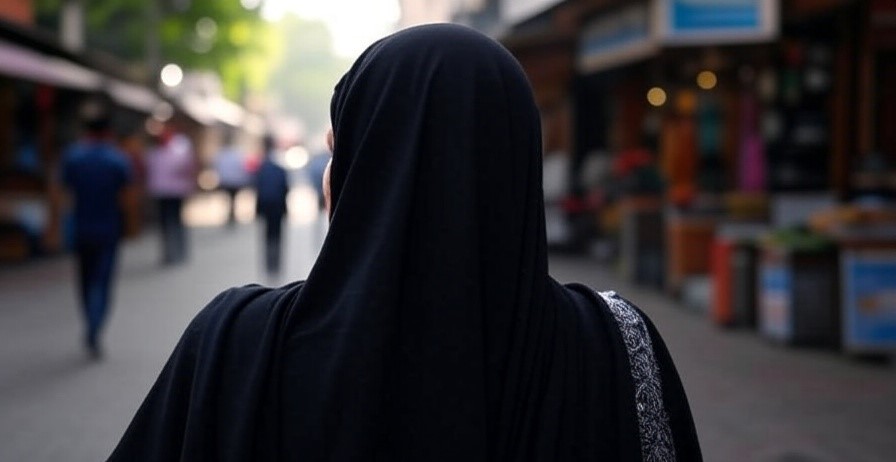
The Maharashtra State Council of Examination (MSCE) has said that women candidates appearing for the Maharashtra Teacher Eligibility Test (TET) on June 28 will be allowed to wear a hijab, burqa or dupatta while entering the examination centre. However, the council has made it clear that the face must remain fully visible during the exam.
According to the revised guidelines, no clothing is allowed to cover the area above the neck inside the examination hall, including the head, face, mouth and ears, to ensure proper identification and CCTV monitoring.
Why Maharashtra changed its TET dress code rules
The MSCE said the decision was taken to ensure fairness in a highly sensitive exam where preventing cheating is a major concern. The council highlighted the increasing use of electronic gadgets such as AI-based devices, Bluetooth tools and hidden cameras.
Officials said nearly six lakh candidates will appear for the exam and their faces must remain clearly visible on live CCTV footage throughout the process.
The council also referred to a 2024 Bombay High Court judgment in the case of Zainab Abdul Qayyum Choudhary vs Chembur Trombay Education Society, which upheld institutional dress codes and observed that wearing a hijab or niqab is not an essential religious practice.
What candidates are allowed and not allowed
Under the updated rules, female candidates can wear modest clothing such as a dupatta or burqa while entering the centre. However, once inside the exam hall, they must ensure full facial visibility for verification.
The MSCE also said shoes and socks are not allowed inside the examination hall. Candidates can carry only a black or blue ballpoint pen, identity proof with photocopy, and a transparent water bottle.
Officials added that similar rules are already followed in major exams like UPSC, SSC, IBPS, SBI, RRB, MPSC, GPSC and BPSC.
MSCE president Nandkumar Bedse said, “The Teacher Eligibility Test is a very sensitive examination. To ensure transparency and prevent malpractice, it is necessary that the faces of all candidates are clearly visible on live CCTV.”
He added that “no clothing should be present above the neck, including the head, ears, face or mouth.”
Debate over religious freedom and exam security
The guidelines have sparked debate online and among student groups. Some users pointed out what they see as contradictions in allowing hijab while also requiring full removal of any head covering during the exam.
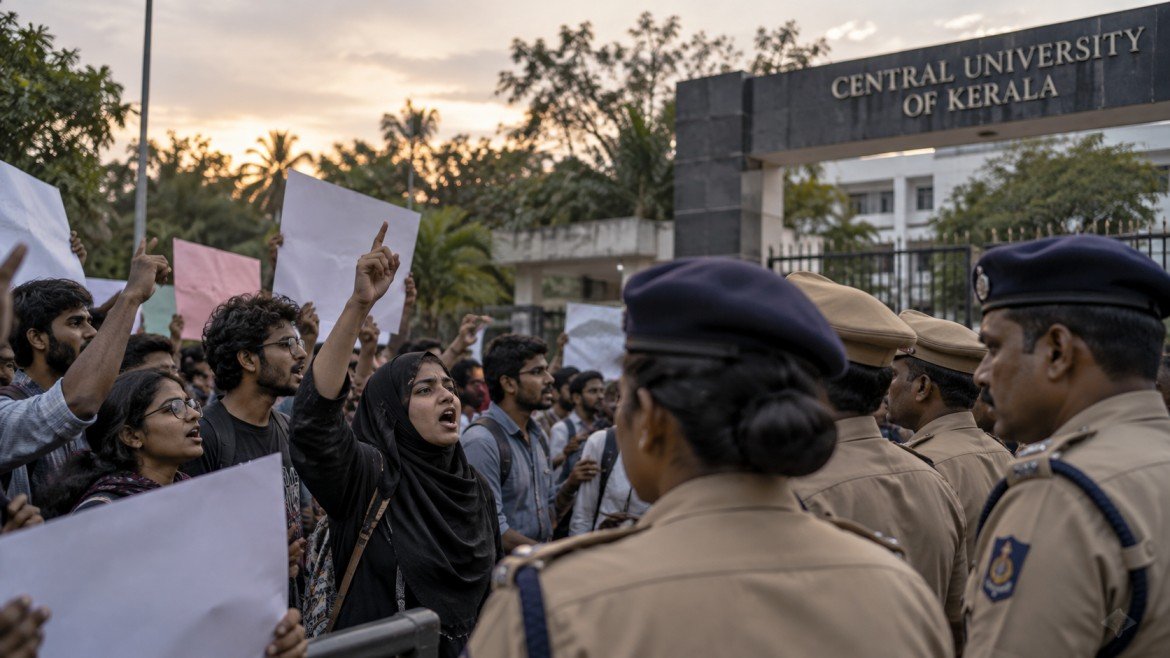
Earlier, the Students Islamic Organisation (SIO), Maharashtra South, had opposed the initial restriction that banned hijab, burqa, masks and caps completely, calling it unfair to religious freedom.
SIO argued that security measures should not force candidates to abandon religious attire. It suggested alternative arrangements such as private frisking rooms and female staff for checking candidates, similar to procedures followed in exams like NEET.
SIO state president Uzair Ahmed said, “The ban on burqa, hijab and dupatta is insensitive. These are linked to faith and modesty. Forcing removal can cause stress and humiliation.”
Authorities defend transparency measures
The MSCE has defended its decision, saying exam integrity is the top priority. Officials said concerns about cheating methods using modern gadgets have increased, making strict monitoring necessary.
The council maintained that the rules are not targeted at any community and are in line with national and state-level competitive exam practices.
More than 4.28 lakh candidates have registered for this year’s MAHA TET, and the exam will be conducted across 1,729 centres in Maharashtra.