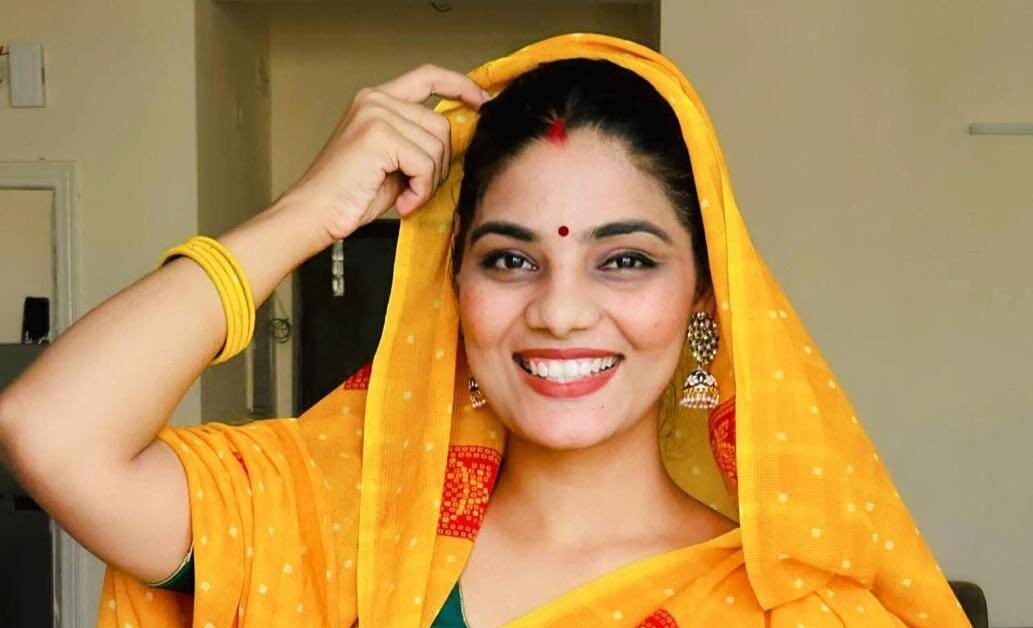
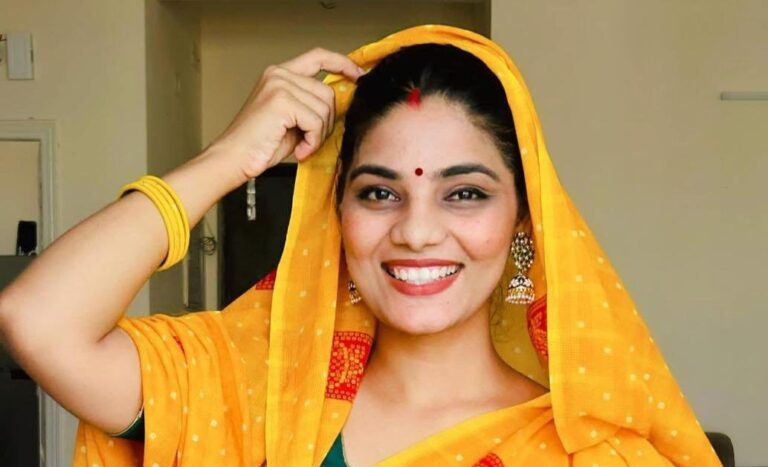
When a Kashmiri model named Samreen Ayoub was sent a video circulating on Instagram last year, she assumed it to be someone else’s. The video pieced together from years of her own photographs, narrated by an AI-generated voice, and packaged to look like a television news segment. The video falsely claimed she was a Muslim woman selling sexual services to Hindu men, and even the video misidentified her own brother as her “pimp.”
“It was proper stalking,” the 24-year-old said, describing how the video makers had tracked her life from her first university semester to her last. Within hours, the clip had spread across dozens of accounts, followed by scores of abusive comments, threatening calls, and attacks on her character. Ayoub described the experience as a “digital lynching.”
A Pattern, Not One Incident
Ayoub is not the only case. Researchers say her experience echoes a broader and accelerating trend – use of generative AI to manufacture sexualised imagery and propaganda specifically targeting Muslim women in India.
A study by the Washington-based Center for the Study of Organized Hate (CSOH) examined 1,326 publicly available AI-generated images and videos posted across 297 accounts on X, Facebook and Instagram between May 2023 and May 2025. The research found that sexualised depictions of Muslim women drew the highest engagement of any category studied — more than 6.7 million interactions. Analysts identified a recurring visual template across the dataset: a Muslim-coded woman paired with a Hindu-coded man, often framed within narratives that cast Muslim men as violent and Muslim women as needing “rescue” by men from the majority community.
CSOH’s Zenith Khan told reporters that generative tools have made turning hostile fantasies into convincing imagery both quick and devoid of consequences, requiring minimal technical skill. Researchers have linked this material to a broader pattern of coordinated online abuse in India, including the 2021–2022 “Sulli Deals” and “Bulli Bai” apps, which listed Muslim women for fake “auction” without their consent.
Tragedy, With No Legal Recourse
The psychological impact extends far beyond the women whose manipulated images circulate online. According to a report by Al Jazeera, several Muslim women approached for interviews declined to speak on the record, citing shame, fear of social stigma, and the risk of retraumatisation.
Those who did share their experiences described living under a constant sense of threat. Many reported receiving anonymous rape and death threats, while others said they had become increasingly reluctant to travel alone or maintain a public presence on social media out of fear of being targeted.
Support organisations in Mumbai say the trend is becoming increasingly visible. Meri Trustline, a helpline operated by the RATI Foundation, told Al Jazeera that around one in ten of the more than 482 cases it has handled since 2022 involved AI-generated or digitally manipulated intimate content. Counsellors say this proportion has been steadily increasing as generative AI tools become more accessible. Front-line workers also noted that many survivors never disclose such abuse even to their families, with only a fraction of cases ever being reported publicly.
For Ayoub, the fallout was not just personal but also professional. Modelling opportunities shrank in number as fake accounts flooded her profile with abuse for months, and brands grew wary of the association. She said she filed a written complaint with a police cybercrime unit in New Delhi; she said nothing came of it, and the offending content was only taken down after friends organised a mass reporting effort. Legal experts note that India’s existing statutes were not designed for AI-generated material and are struggling to keep pace.
Coinciding with India’s Own AI Push
The trend has emerged even as India positions itself as a rising player in global AI policy, including hosting a high-level AI Impact Summit earlier this year focused on innovation and regulatory frameworks. Critics say the gap between that governance ambition and the lived reality of AI-enabled sexual harassment on Indian platforms remains wide.
That gap is now drawing attention at the highest levels of international policymaking. A preliminary report from the United Nations’ first independent scientific panel on AI — chaired in part by AI pioneer Yoshua Bengio — was released ahead of the inaugural UN Global Dialogue on AI Governance in Geneva this week. The panel warned that AI-generated child sexual abuse material and deepfake-enabled sexual violence are circulating with increasing frequency worldwide, and cautioned that the technology’s capacity to produce persuasive, misleading content at scale is contributing to a broader erosion of information integrity and public trust.
Bengio said there is no scientific guarantee against catastrophic harm from AI, “either on its own or due to malicious users,” as capabilities increase — a warning that, for women like Ayoub, is not abstract but already lived experience.
The Bigger Picture
Rights groups tracking anti-Muslim hate in India say AI-generated content does not exist in isolation from offline violence. CSOH’s own India Hate Lab project recorded over 1,300 hate speech events targeting religious minorities in 2025 alone, the vast majority aimed at Muslims — a backdrop researchers say makes sexualised AI propaganda not just a privacy violation, but part of a wider ecosystem that normalises hostility toward Muslim communities and, in particular, Muslim women.
As the Geneva talks proceed this week, the UN panel’s own framing — that AI’s risks depend entirely on the governance choices made now — will be tested against cases like Ayoub’s: a woman still limiting how she uses social media, still receiving threats, and still waiting for any legal consequence for what was done to her image.

This report relies on reporting by Al Jazeera and research published by the Center for the Study of Organized Hate, alongside the United Nations’ preliminary AI governance report released ahead of the July 6–7 Geneva Global Dialogue on AI Governance.