


































India’s Ministry of External Affairs has expressed deep concern over the escalating conflict in Iran and the Gulf following joint US and Israeli missile strikes on Tehran and other Iranian targets. The ministry called for restraint, dialogue, and protection of civilians in a statement issued on Saturday.
“India is deeply concerned at the recent developments in Iran and the Gulf region. We urge all sides to exercise restraint, avoid escalation, and prioritise the safety of civilians,” the ministry said. It also added that “dialogue and diplomacy should be pursued to de-escalate tensions and address underlying issues. Sovereignty and territorial integrity of all states must be respected.”
Safety of Indian Nationals in the Middle East
The Ministry of External Affairs said Indian missions in the region are actively monitoring the situation and keeping in touch with Indian nationals. Advisories have been issued for citizens to remain vigilant, stay in contact with missions, and follow local security guidance. There is no immediate plan for evacuations, but India is closely monitoring developments.
Currently over 90 lakh Indians live in the Middle East, including about 10,000 in Iran. Air India and IndiGo have already suspended flights to the region because airspace over the Gulf has been closed. The Ministry of Civil Aviation said Minister K Ram Mohan reviewed preparedness for international flights and instructed airports, especially major international gateways, to remain on operational alert.
“Airports across the country have been placed on alert to manage potential flight diversions, unscheduled landings, and passenger facilitation requirements,” the ministry said. Indian carriers are advised to follow NOTAMs and route restrictions while ensuring passenger safety.
Escalation in Iran and Gulf Region
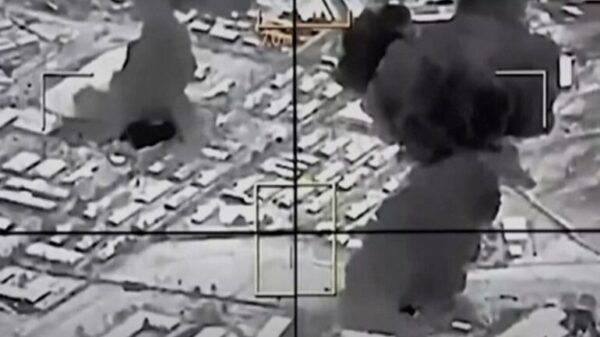
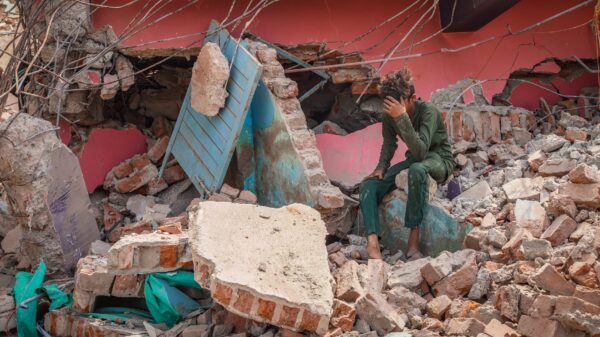
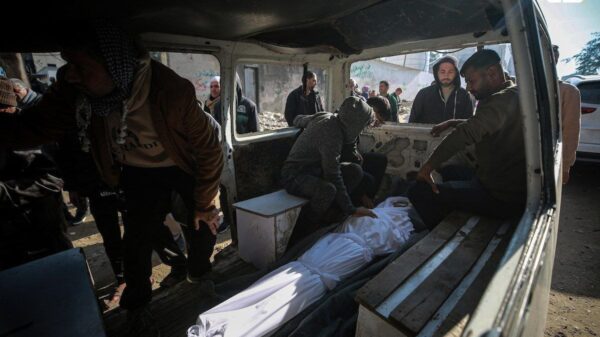
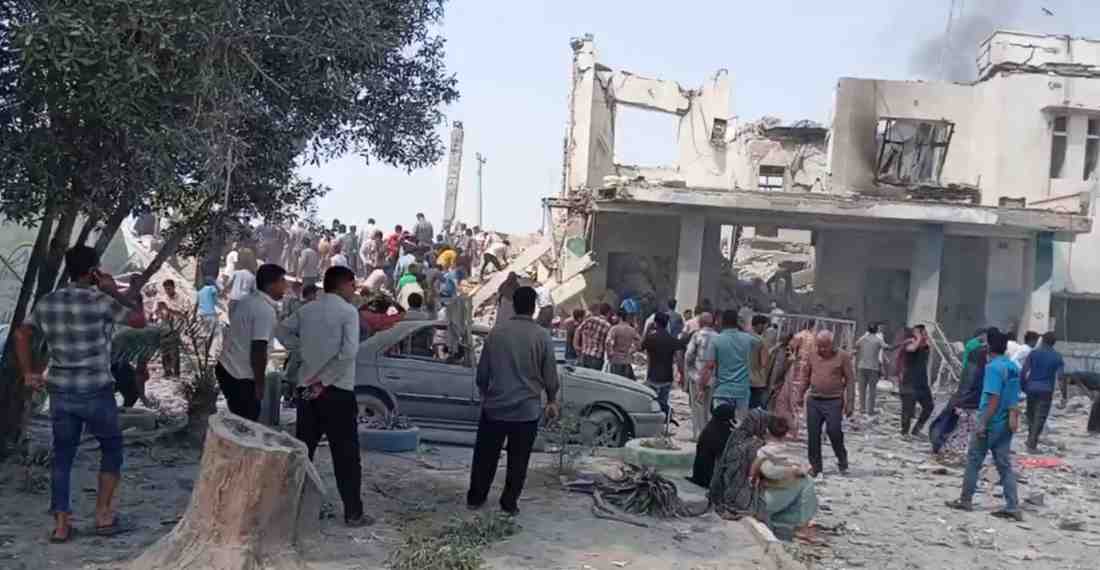
The US and Israel launched a series of pre-emptive strikes early Saturday targeting Iran’s IRGC intelligence headquarters and military infrastructure. Reports suggest that top Iranian officials, including General Mohammad Pakpour, Iran’s Minister of Defence, and the chief of intelligence may have been killed in the strikes.
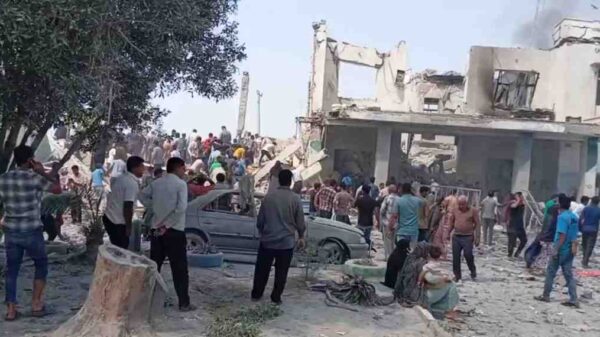
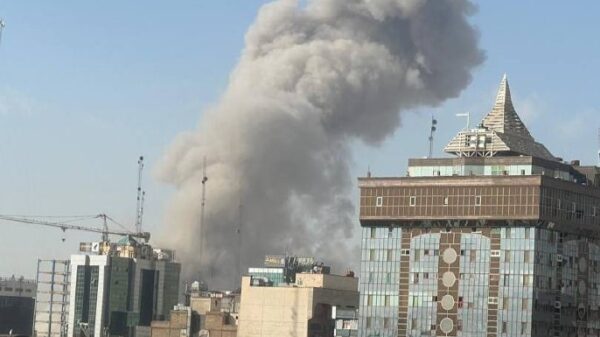
Iran retaliated hours later with missile attacks on US military bases across the Middle East, including the US Navy’s Fifth Fleet in Bahrain, and launched ballistic missiles toward Israel. Explosions were reported in Bahrain, Abu Dhabi, and Qatar, all of which host US bases.
US President Donald Trump confirmed that Washington had begun “major combat operations” in Iran alongside Israel under Operation Epic Fury. Israeli Prime Minister Benjamin Netanyahu launched Operation Lion’s Roar, calling on “all parts of the Iranian people” to overthrow the regime.
Airspace Closures and Global Impact
Gulf nations including Saudi Arabia, UAE, and Bahrain have closed their airspace indefinitely, causing widespread flight cancellations and diversions. Israel has also closed its airspace and suspended flights at Ben Gurion Airport while Air India and IndiGo have rerouted or canceled multiple flights to Europe and North America.
The conflict is expected to affect global oil prices, with the Bab el-Mandeb Strait temporarily closed, threatening India’s energy imports.
Where is Supreme Leader Khamenei
One of the most closely watched questions is the whereabouts of Iran’s Supreme Leader Ayatollah Ali Khamenei, aged 86. An Iranian official told Reuters that Khamenei is not in Tehran and has been moved to a secure location.