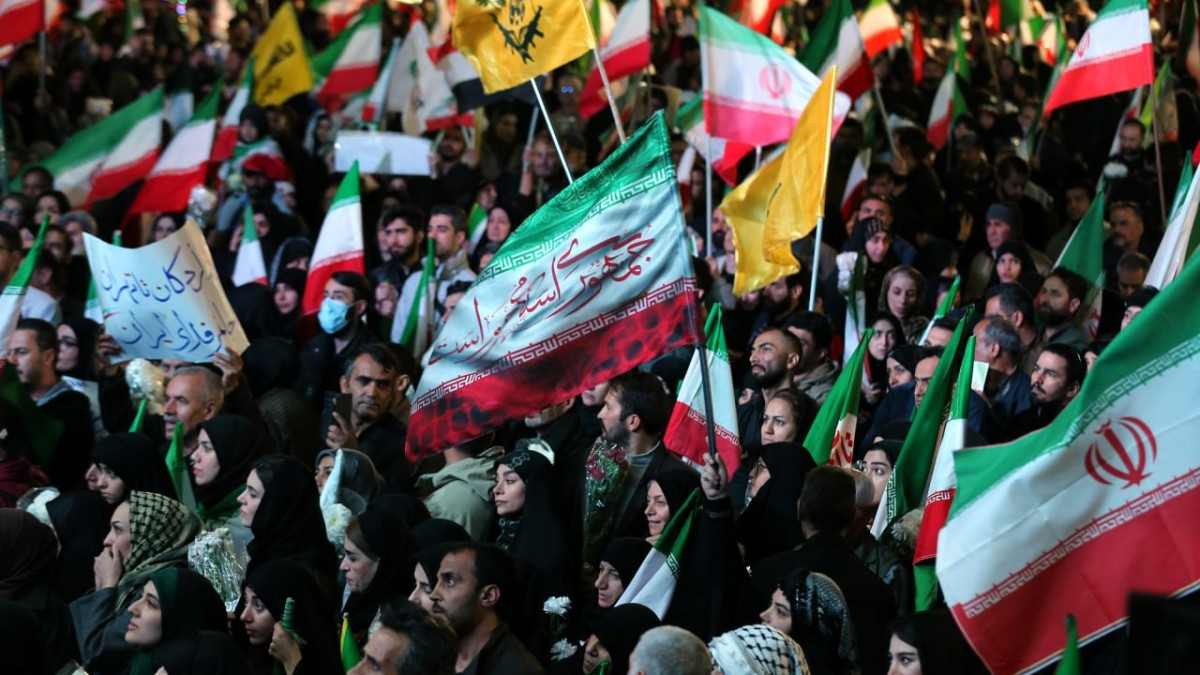
Iran has declared what it called a “historic and crushing defeat” of the United States and Israel after 40 days of intense conflict, claiming that Washington has been forced to accept a 10-point proposal that includes a permanent ceasefire, lifting of sanctions and withdrawal of US forces.
In a statement, the Supreme National Security Council said the US now sees “no way forward but to submit to the will of the great nation of Iran.”
“Iran has achieved a great victory and has forced criminal America to accept its own proposal,” the statement said, describing the war as one of the “heaviest combined battles in history.”
Key Demands Include Sanctions Relief and US Withdrawal
According to Iranian officials, the proposal includes commitments such as no further aggression against Iran, recognition of its control over the Strait of Hormuz, acceptance of uranium enrichment, and removal of both primary and secondary sanctions.
The plan also calls for the withdrawal of US combat forces from the region, compensation to Iran, and an end to hostilities across multiple fronts, including in Lebanon.

Iran said these terms reflect its “legitimate demands” after weeks of fighting that saw widespread strikes across the region.
War Described as Turning Point in Regional Power
The Iranian statement claimed that its forces and allies had inflicted major damage on US and Israeli military capabilities. It said the “enemy realised within 10 days that it could not win the war” and began seeking a ceasefire through backchannel contacts.
“Iran and the Resistance have almost completely destroyed the American military machine in the region,” the statement claimed, adding that attacks had caused “deep and lasting damage” to infrastructure and strategic assets.
It also accused Israel of miscalculating the conflict, saying it believed Iran’s missile and drone capabilities would be “quickly extinguished.”

Trump Announces Two-Week Pause in Attacks
Amid rising tensions, US President Donald Trump announced a temporary halt to military action, describing it as a “double-sided ceasefire.”
“I will suspend the bombing and attack of Iran for a period of two weeks,” Trump said, adding that the pause depends on Iran agreeing to the “complete, immediate and safe opening” of the Strait of Hormuz.
The strategic waterway carries nearly one-fifth of the world’s oil and has been effectively blocked since the conflict began.
Earlier, Trump had issued a stark warning, saying “a whole civilisation will die tonight” if Iran did not comply, a statement that drew strong global criticism.
Global Reactions and Criticism of War Rhetoric
The remarks were widely condemned, with religious leaders and lawmakers warning of the consequences of targeting civilian infrastructure. Critics described such threats as potentially violating international law.

Iran also rejected any temporary solution, insisting that only a permanent end to hostilities would lead to reopening the Strait.
Talks Set in Islamabad as Diplomacy Gains Momentum
Iran confirmed that it has agreed to a two-week ceasefire window to allow negotiations, which are expected to begin in Islamabad. Officials said the talks will focus on finalising the political aspects of what Tehran describes as its battlefield gains.
Foreign Minister Abbas Araghchi said Iran would halt defensive operations if attacks against the country stop. He also acknowledged diplomatic efforts by Pakistan in facilitating talks.
“This is a critical stage, and negotiations will determine whether this victory is secured politically,” officials said.
Region Remains Tense Despite Ceasefire Window
Despite the announcement, tensions remain high, with sporadic attacks and missile alerts continuing in parts of the Middle East. Analysts say the situation remains fragile, as both sides hold firm positions.

Iran’s leadership has urged unity at home, saying the outcome of negotiations will shape the region’s future. “Our hands are on the trigger,” the statement warned, adding that any “mistake by the enemy” would be met with force.