The Union government on Thursday told political leaders that India will not act as a “broker” in the ongoing West Asia conflict, amid reports of Pakistan playing a mediating role between global powers.
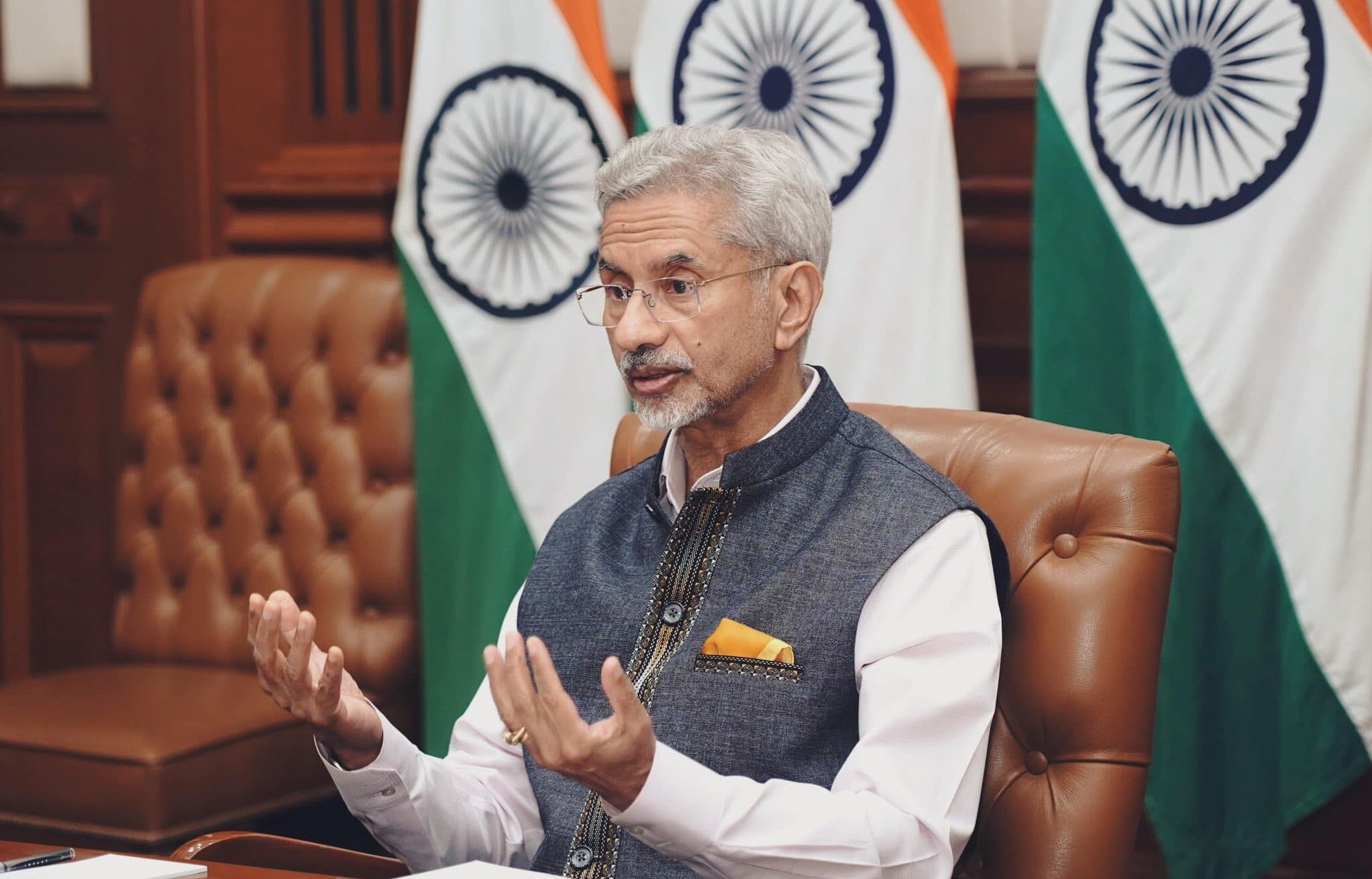
Speaking at an all-party meeting held at the Parliament complex, External Affairs Minister S. Jaishankar made the government’s position clear. “We are not a dalaal nation,” he said, responding to Opposition concerns over India’s role in the crisis.
Govt Rejects Pakistan Mediation Narrative
The remarks came as Opposition leaders questioned why Pakistan appeared to be emerging as a mediator between the United States, Israel and Iran.
According to sources, Jaishankar said there was “nothing new” about Pakistan’s involvement, adding that it has historically been used by the US in similar situations since the 1980s.
The government stressed that India follows an independent foreign policy and will not position itself as an intermediary in conflicts.
Modi Urged End to War in Call With Trump
Responding to queries about Prime Minister Narendra Modi’s recent phone conversation with Donald Trump, Jaishankar said the Prime Minister had conveyed that the war must end quickly.
Sources said Modi emphasised that the ongoing conflict is affecting all countries and needs urgent resolution.
Govt Denies “Silence” on Crisis
The Centre also rejected Opposition claims that India has remained silent on the West Asia situation.
“We are commenting and responding,” Jaishankar told the meeting when asked whether India had adopted a passive stance.
Officials also pointed out that India had followed diplomatic protocol after the reported killing of Iran’s Supreme Leader Ali Khamenei, noting that the Foreign Secretary visited the Iranian Embassy and signed the condolence book.
Energy Security and Diaspora Top Priority
The government told leaders that its main focus remains the safety of Indians living in the Gulf region and ensuring energy security.
It highlighted concerns over oil supply disruptions, especially as countries like Qatar play a major role in India’s crude imports. Officials said efforts are ongoing to secure alternative energy sources if needed.
Opposition Calls Response “Unsatisfactory”
Despite the government’s explanations, Opposition leaders said they were not convinced.
Tariq Anwar criticised the Centre, saying, “Opposition parties are not satisfied with the response,” and demanded a detailed discussion in both Houses of Parliament.
Leaders also raised concerns about India’s diplomatic positioning and questioned whether the country was missing an opportunity to play a larger global role.
High-Level Participation, TMC Boycotts
The meeting was attended by senior ministers, including Rajnath Singh, Amit Shah, and Nirmala Sitharaman.
Health Minister J. P. Nadda and Parliamentary Affairs Minister Kiren Rijiju were also present.
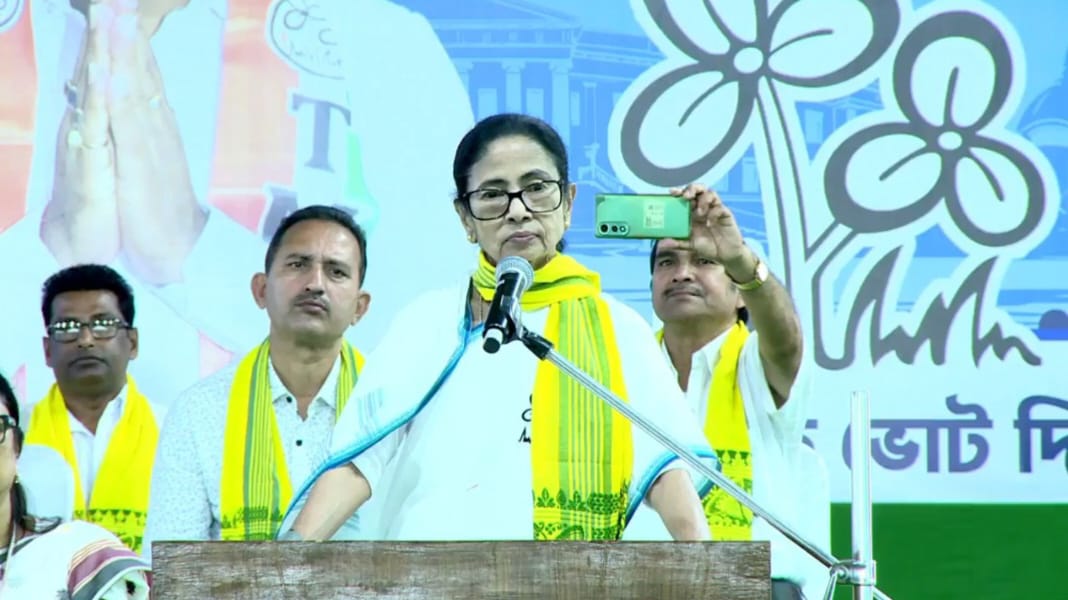
Among Opposition leaders, Mukul Wasnik, Dharmendra Yadav and Sasmit Patra participated, while the Trinamool Congress boycotted the meeting, demanding a full parliamentary debate instead.