The Madhya Pradesh Cabinet on Sunday approved the draft Uniform Civil Code (UCC) Bill, paving the way for a common civil law in the state that bans triple talaq, polygamy and nikah halala, while making registration of live-in relationships mandatory.
The Bill will be introduced during the Monsoon Session of the Madhya Pradesh Assembly beginning Monday.
Triple talaq, polygamy and nikah halala banned
The proposed legislation mandates monogamy across all communities and criminalises practices such as instant triple talaq and nikah halala. It also makes registration of marriages and divorces compulsory for all communities, except Scheduled Tribes covered under constitutional exemptions.
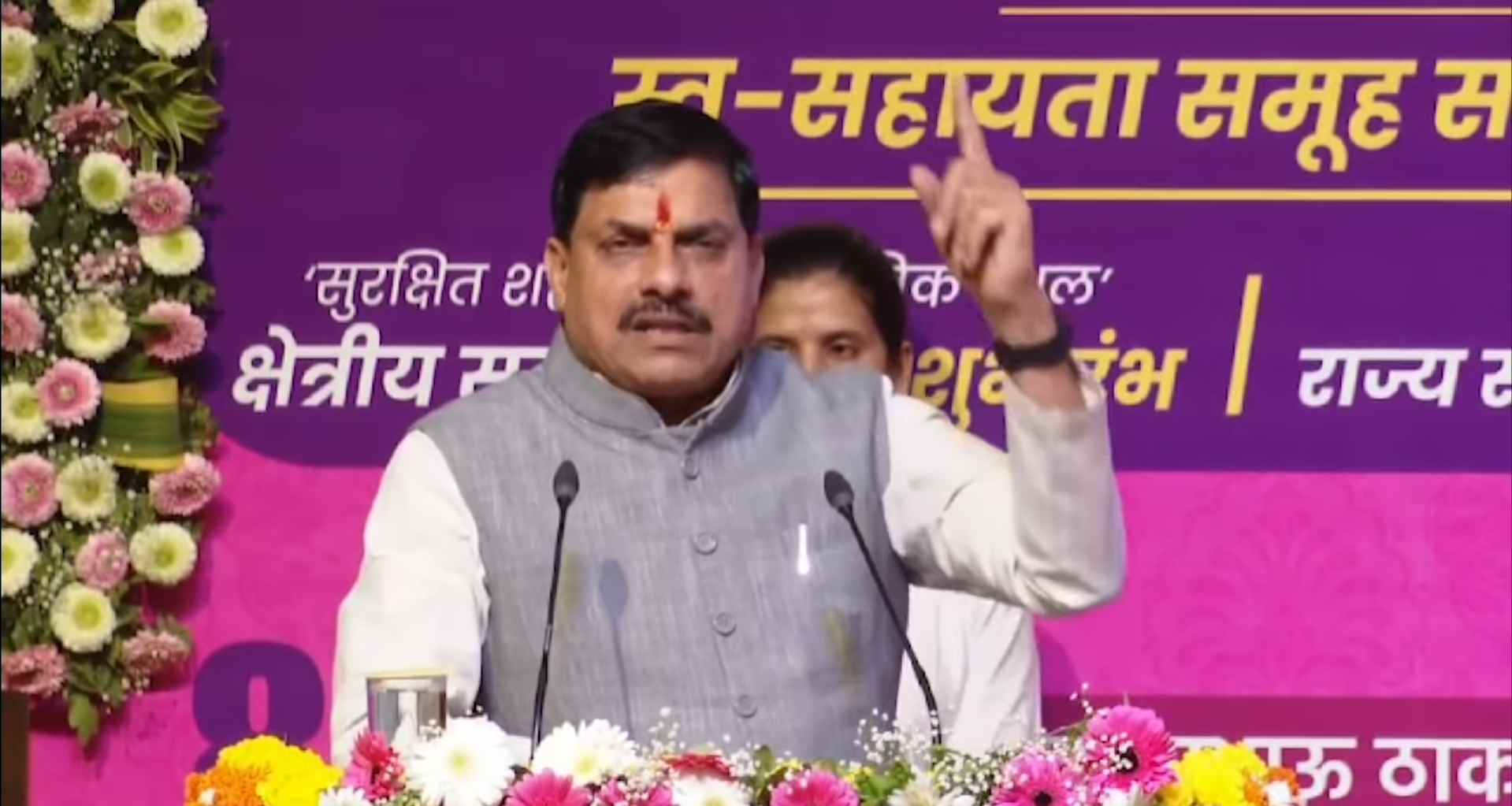
Chief Minister Mohan Yadav said the code aims to establish a uniform legal framework governing marriage, divorce, maintenance, inheritance and live-in relationships irrespective of religion.
Live-in relationships must be registered
The draft Bill requires couples in live-in relationships to submit a declaration to the Registrar within one month of starting cohabitation.

Failure to register within the stipulated period could attract up to three months’ imprisonment or a fine of ₹10,000. Providing false information may result in three months’ imprisonment and a ₹25,000 fine, while failing to submit the declaration despite a notice from the Registrar could lead to up to six months’ imprisonment and a ₹25,000 fine.
The proposed law also grants legal recognition to children born out of live-in relationships. If a male partner abandons the relationship, the woman will be entitled to seek maintenance through a competent court.
Equal inheritance and legal status for children
The Bill provides equal legal status to all children, whether born biologically within marriage, through adoption, surrogacy, assisted reproductive technology (ART), or live-in relationships.
It also grants equal inheritance rights to sons and daughters irrespective of their marital status and ensures widows and widowers receive equal rights over the deceased spouse’s property.
In child custody disputes, courts will be required to prioritise the best interests and welfare of the child over parental claims.

Scheduled Tribes exempt from UCC
The proposed law will not apply to Scheduled Tribes protected under Articles 342 and 366(25) of the Constitution, including communities such as the Bhil, Gond, Baiga, Korku, Sahariya and Bharia.
The government also said communities enjoying constitutional protection of traditional customs under Part XXI of the Constitution would remain exempt.
CM calls UCC a step towards equality
Chief Minister Mohan Yadav described the proposed legislation as a historic step towards implementing the constitutional vision of equality, justice and secularism.
He said the code seeks to eliminate discrimination against women under different personal laws while ensuring equal legal rights regardless of religion.
Yadav claimed that nearly 80 per cent of Muslim women and around 40 per cent of Muslim men supported the proposal during consultations conducted by the Justice Ranjana Desai Committee, which submitted its report to the government last week.

Uniform law for all communities
According to the Chief Minister, the UCC will establish a common legal framework for all citizens in matters relating to marriage, divorce, maintenance, succession and live-in relationships.
He urged all political parties to support the Bill, saying it would strengthen women’s empowerment, social harmony and national unity.