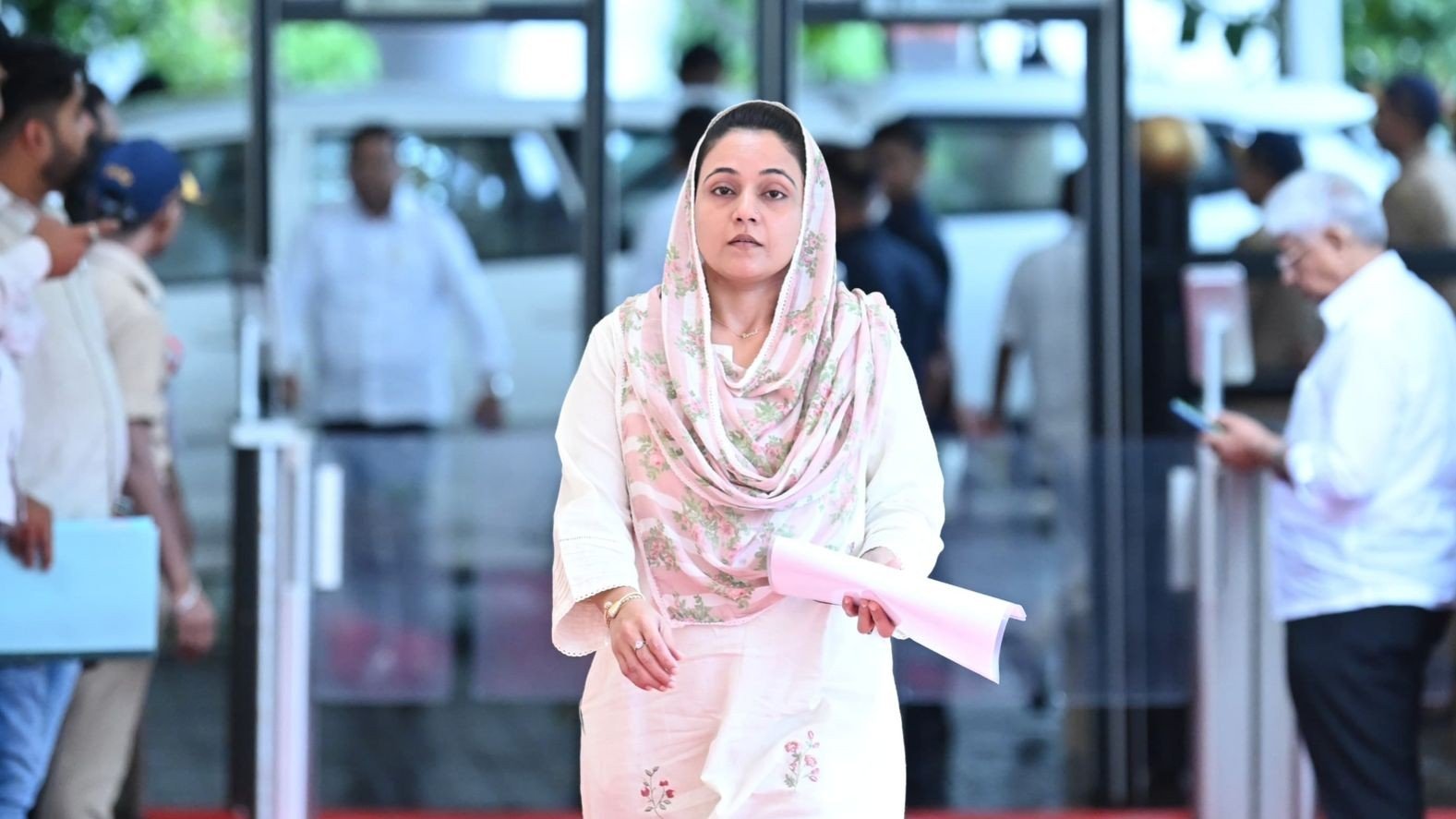
A heated political controversy erupted in the Maharashtra Assembly after NCP (Ajit Pawar faction) MLA Sana Malik made remarks supporting Islamic personal law and questioning the Uniform Civil Code (UCC) debate.
The discussion began during a “calling attention motion” moved by BJP MLA Devyani Farande regarding the implementation of the Triple Talaq law and women’s safety. The issue quickly escalated into a wider debate on personal laws, UCC, and constitutional interpretation.
“India should also follow Quran-based law,” says Sana Malik
During her speech, Sana Malik said that India should consider implementing laws based on Islamic principles, similar to those followed in other countries.
She said, “In Islam, whatever is mentioned in the Quran, we follow it. If Pakistan has made laws based on the Quran, India should also bring such laws. We demand this.”
Her statement triggered strong reactions inside the House, with opposition members objecting to the reference to religious texts in legislative discussion.

Support for Triple Talaq classification sparks more debate
Sana Malik also spoke about different forms of Islamic divorce, including Talaq-e-Hasan, Talaq-e-Ahsan, and Talaq-e-Biddat.
She argued that instant triple talaq was wrongly treated as a widespread practice in legislation.
She said, “Triple talaq law was made targeting a practice that was not widely followed in reality. It is not even mentioned in that form in many interpretations.”
She added that existing traditional practices in the community were being misunderstood in public debate.
Remarks on polygamy and personal laws
The NCP MLA also defended the concept of polygamy, arguing that it is not exclusive to any one religion.
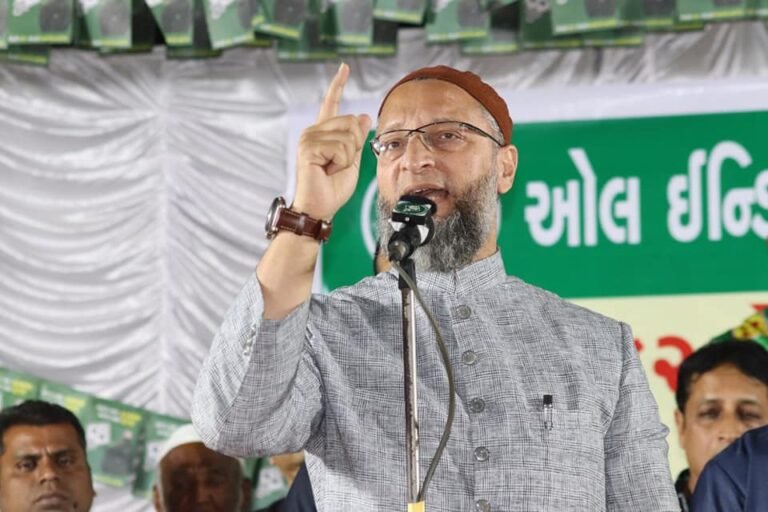
She said, “Polygamy is not only in one community. It exists across religions. It is part of Islamic teachings and should be recognised in law.”
Her remarks intensified the political clash, with ruling party members strongly opposing her position.
BJP response: “India runs on Constitution, not Quran”
BJP MLA Atul Bhatkhalkar strongly objected to her statements and said the debate should remain focused on constitutional provisions.
He said, “This country runs on the Constitution, not the Quran. There is no need to bring religious or foreign examples into this discussion.”
Several BJP members echoed similar concerns, arguing that UCC and personal law reforms must remain strictly constitutional matters.
Political war of words intensifies
The controversy soon escalated outside the Assembly as well.
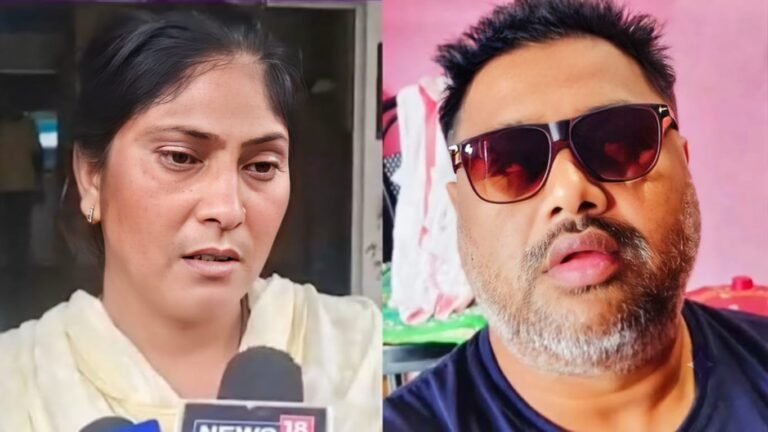
Maharashtra minister and BJP leader Nitesh Rane strongly criticized Sana Malik’s remarks, saying those opposing UCC should “respect constitutional law” or “step down and go elsewhere.”
He added that India cannot function on religious laws and warned against mixing politics with religious interpretation.
Government stance on UCC
State minister Yogesh Kadam clarified that the central government’s anti-triple talaq law applies to all communities and is aimed at protecting women’s rights.
He also said that once the UCC is implemented, it will apply equally to all citizens, regardless of religion.