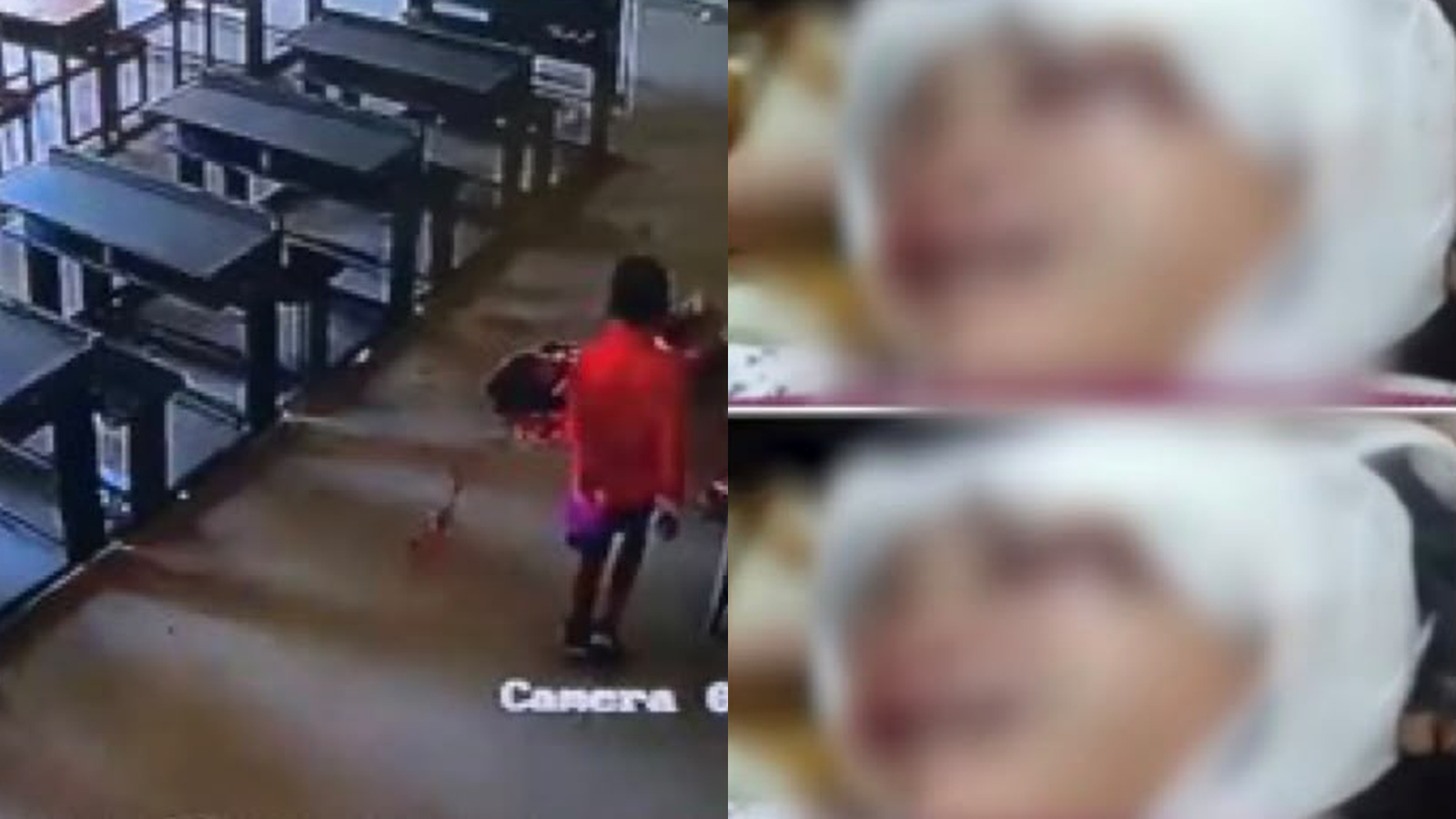
A prayer room at Mumbai’s Inorbit Mall in Malad was allegedly shut down and demolished following objections from Hindutva groups after a video showing two girls offering a tour of the facility went viral on social media.
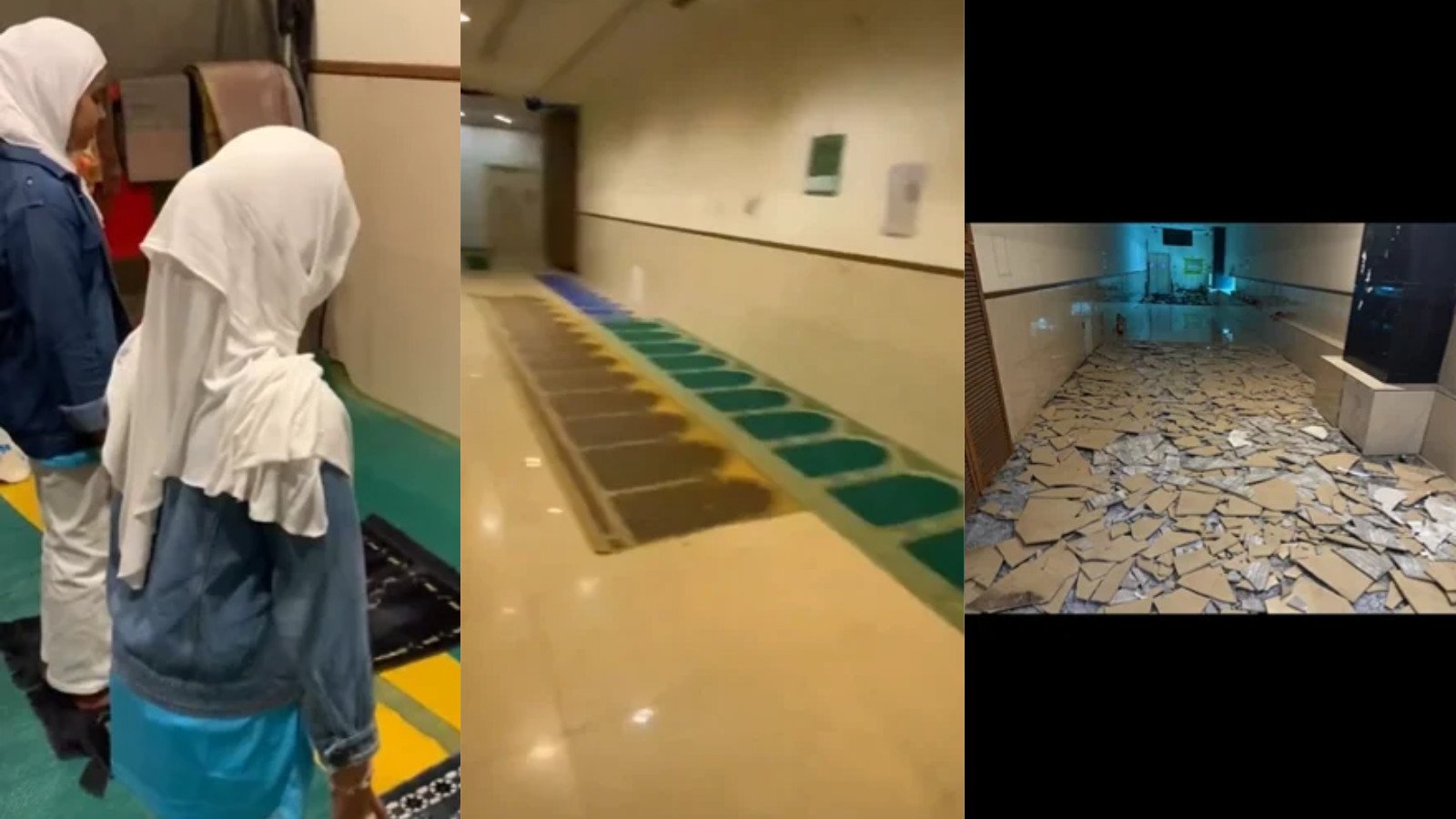
The controversy began after a video featuring two minor girls wearing hijabs showed the prayer room and encouraged people not to miss their daily prayers. The girls described the facility as well-equipped, with separate sections for men and women and a designated wuzu khana for ablutions.
The video drew criticism from right-wing individuals and organisations, who objected to the presence of a dedicated space for namaz inside the shopping mall.
On October 30, Hindutva organisation Sakal Hindu Samaj shared the video on X and questioned why a separate space for namaz had been provided at a mall visited by people from different religious communities.
“Is Mumbai on the path to becoming Pakistan? This is a matter of serious concern for every Mumbaikar!” the organisation wrote.
It described the facility as a mosque or dedicated prayer space and questioned whether Hindus could similarly perform religious worship at the mall. The group subsequently protested against the facility and demanded its removal.
On October 31, Sakal Hindu Samaj shared another video showing what it presented as the prayer room before and after its demolition. The footage appeared to show broken tiles and a dismantled space.
Prayer Room Controversy Triggers Online Backlash
The viral video of the two girls prompted criticism from right-wing social media accounts, with some describing the facility as an attempt to turn Mumbai into a “soft Islamic enclave” or Pakistan.
Sakal Hindu Samaj also questioned the presence of the prayer room at a public shopping centre, arguing that people from different religious communities visit the mall.
The organisation’s objections were followed by a protest at the site and demands for the facility to be removed.
While dedicated prayer rooms are not common in every Indian shopping centre, some malls provide spaces for visitors to observe religious practices. Such facilities can accommodate people of different faiths without restricting access to any particular community.