














































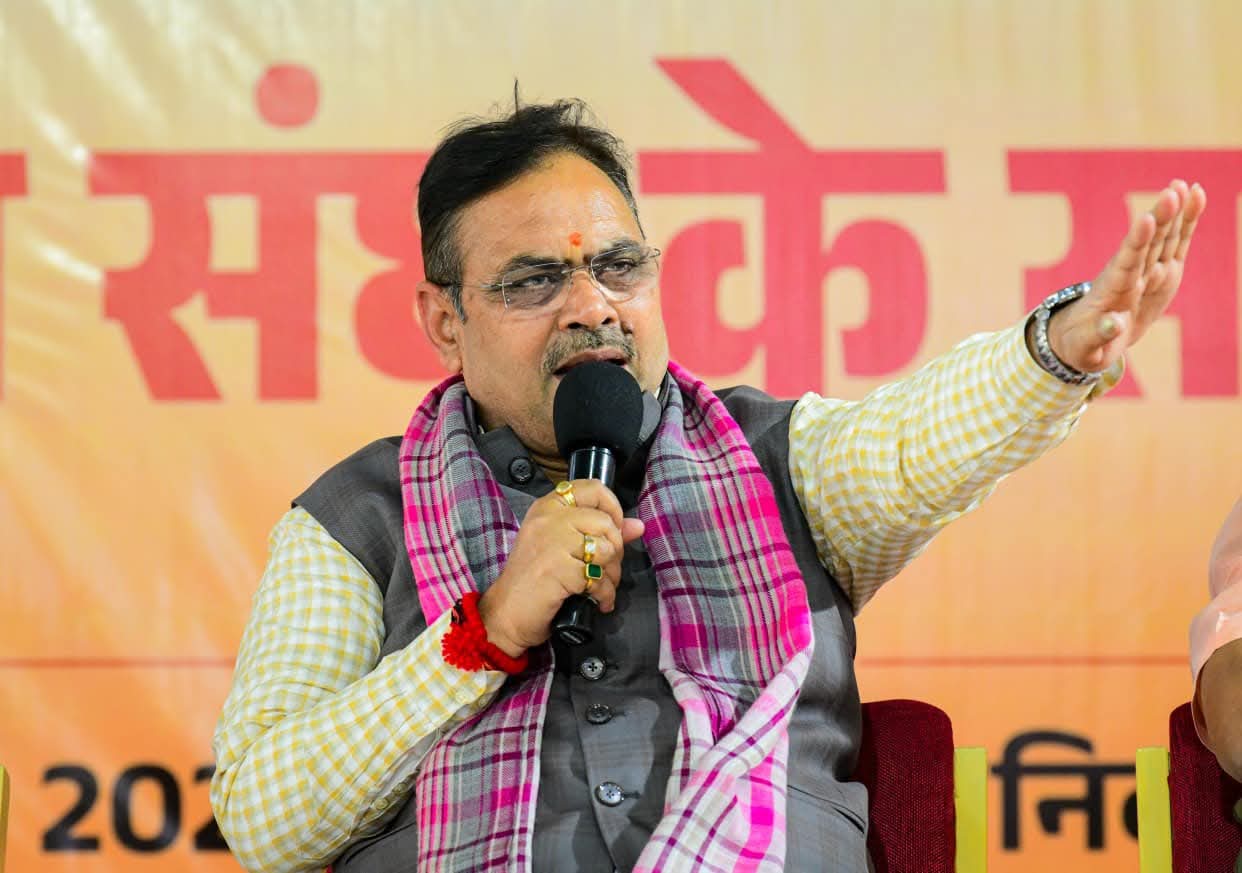
Muslim organisations and rights groups have raised serious concerns after the BJP-led Rajasthan government cleared a draft law that could restrict buying and selling of property in areas declared “disturbed”, warning that it may be used to target Muslims and Adivasis.
The draft law, approved by the state cabinet on January 21 and titled the Rajasthan (Prevention of Transfer of Immovable Property in Disturbed Areas and Protection of Tenants from Eviction) Bill, 2026, is expected to be tabled in the upcoming budget session of the Assembly. If passed, it will allow the government to declare any locality a disturbed area and tightly regulate property transactions there.
The government has said the law is meant to protect residents during riots or periods of unrest, when people are allegedly forced to sell their homes at very low prices. It has also linked the proposed law to concerns over rapid changes in population in certain areas.
After the cabinet meeting, Parliamentary Affairs Minister Jogaram Patel said, “In some areas, the population of a particular community is increasing fast. This creates demographic imbalance, disturbs social harmony and causes problems for permanent residents. During riots and public disorder, a special law becomes necessary.”
Under the proposed legislation, property transfers in disturbed areas would require prior government permission. Any transaction done without approval would be treated as invalid. The law also makes violations non-bailable and cognisable offences, with jail terms ranging from three to five years along with fines. At the same time, it claims to protect tenants from forced eviction.
Muslim leaders and civil rights groups, however, have strongly opposed the bill, saying its vague language gives sweeping powers to the administration and can easily be misused. A senior Muslim community leader in Jaipur said the law could freeze property sales in Muslim localities and block Muslims from buying homes in other areas. “This strikes at economic freedom and the basic right to own property,” he said.
Several Muslim groups have also objected to the government’s repeated reference to population change, calling it a political narrative rather than a legal concern. All India Muslim Jamaat president Maulana Shahabuddin Barelvi said, “There is no ‘land jihad’ on the ground. Such laws are brought only to target Muslims. The government should focus on jobs, education and development instead of creating fear.”
BJP leaders have defended the bill, saying it is not aimed at any religion. BJP MLA Balmukund Acharya said, “People talk about harmony, but we must ask who is buying houses and changing the character of cities. If one community buys properties at high prices and takes over areas, it harms society and the nation. This is about social balance, not religion.”The Vishwa Hindu Parishad has welcomed the move. Its state minister Suresh Upadhyay alleged that large-scale property sales by Hindus and the construction of mosques were part of a larger design. Muslim leaders have rejected these claims as false and inflammatory.
Legal experts have also flagged concerns over the bill. A Jaipur-based lawyer said there is no clear legal definition of terms like “demographic imbalance” or “improper clustering”. “Giving officials the power to stop private property transactions without clear criteria will lead to misuse and fear, especially among minorities,” he said.
The Congress has attacked the proposed law as divisive and unconstitutional. State Congress chief Govind Singh Dotasra said the bill reflects the BJP’s “communal mindset” and is based on the Gujarat model. “This will create insecurity, discourage investment and give unchecked powers to the bureaucracy,” he said, adding that demographic imbalance is not a recognised legal concept.