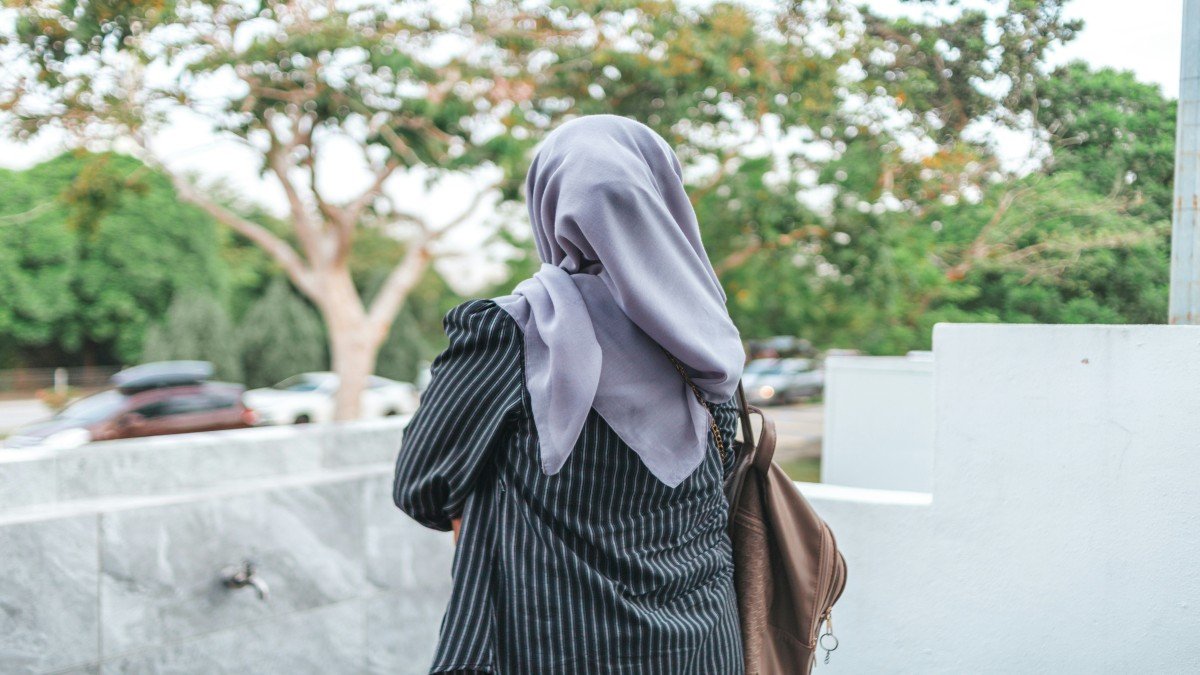
Muslim women in Scotland are increasingly concerned about rising Islamophobia, racism and anti-Muslim rhetoric, which they say are creating a hostile environment and threatening social cohesion.
In a report published by The National, Muslim women involved in public life described the challenges they face because of their religious identity, visible Muslim appearance and limited representation in politics.
Fatima Joji, a Muslim councillor from the Scottish National Party (SNP), warned that the lack of Muslim women in politics could leave them more vulnerable to Islamophobic abuse.
She said her visible Muslim identity often meant she had to navigate spaces where people were still learning about her community, leaving her to explain and challenge misconceptions.
Joji also said some people assumed she would impose her religious beliefs on others because she was Muslim.
“The impact of Islamophobia and racism means that when it comes to decision-making, some people automatically assume that I will impose my religious beliefs on others,” she said.
According to Joji, these assumptions can discourage people from voting for Muslim candidates or lead to criticism before voters understand their actual political positions.
“Those assumptions are harmful and that is the impact of prejudice,” she added.
Muslim Representation Remains a Concern
The debate over representation has gained importance among Scotland’s Muslim communities, particularly following the rise of Muslim politicians to senior positions.
There was widespread excitement in the community when Humza Yousaf became Scotland’s First Minister. During his tenure, Yousaf spoke out against racism and Israel’s actions in Gaza. However, his time in office was relatively short.
The report also discussed differing perceptions of political leaders such as Anas Sarwar, highlighting concerns among some community members about whether minority politicians can effectively represent their communities while navigating wider political pressures.
One community member from East Renfrewshire, who requested anonymity, argued that the problem extended beyond the number of minority politicians.
“We not only need ‘more’ effective and responsible representation but also changes within the system, as it’s the system that is failing us, not minority leaders,” the person said.
Another public-sector employee who wears a hijab cautioned against assuming that politicians from minority backgrounds would necessarily prioritise the interests of their own communities.
Joji said Muslim politicians should be able to campaign on issues they care about without their faith being used to question their motives.
She also pointed to Yousaf as an example of the diversity of views among Muslims, arguing that their political positions should not be assumed on the basis of religion.
Political Parties Urged to Challenge Prejudice
Labour councillor Bailie Dr Soryia Siddique called on political parties to challenge racism and bigotry, support candidates from different backgrounds and ensure politicians were not penalised for speaking about issues affecting their communities.
She also stressed the importance of media representation, saying voices from different faiths and backgrounds should be included in public debate.
Joji said political parties had a responsibility to address prejudice within their own ranks, particularly during candidate selection.
She also criticised misinformation, stereotyping and hate-driven rhetoric from sections of the media and political establishment, saying these contributed to an environment in which Muslim politicians were treated with suspicion.
As a result, she said, Muslim politicians often had to work harder to justify their place in public life.
“We have everyday problems that we want to help sort out, and I believe everyone should be able to take part in politics on equal terms,” Joji said.