The National Testing Agency (NTA) has issued detailed instructions for candidates appearing in the NEET (UG) 2026 examination scheduled for Sunday, June 21. The exam will be conducted across centres nationwide under strict security and dress code rules.
The guidelines come amid ongoing public debate over dress codes and religious symbols in competitive examinations.
NEET UG 2026 Exam Scheduled Across India
The NEET UG 2026 examination will be held on June 21 at designated centres across India. The NTA has urged all candidates to strictly follow instructions to ensure smooth conduct of the examination and avoid delays during entry checks.
Officials said all candidates must report on time as mandatory frisking and verification procedures will be conducted at entry points.
Religious Symbols Allowed With Early Screening
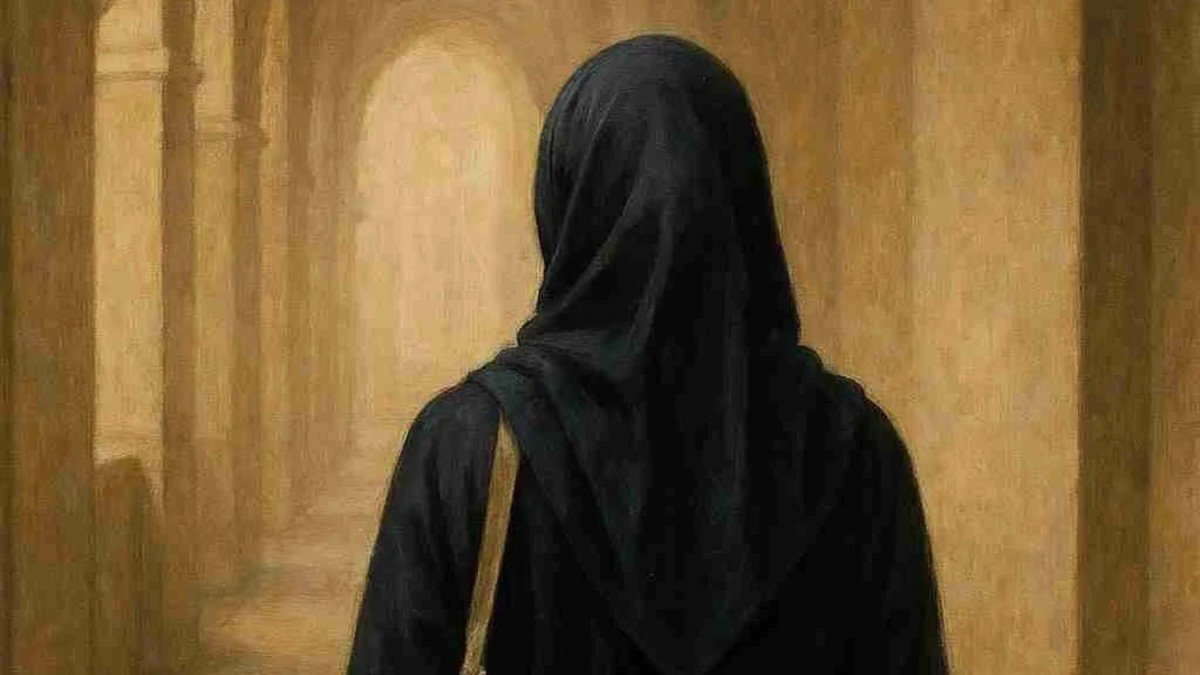
In its latest instructions, the NTA has clarified that candidates are allowed to wear items related to their religious beliefs inside the examination centre.
These include religious symbols such as kalava, turbans, hijabs, or similar items.
However, candidates wearing such items must reach the centre early for additional security checks and frisking procedures.
The guidelines state that no candidate is being barred from wearing religious attire, but detailed screening will be conducted to ensure exam security.
Dress Code and Footwear Rules
The NTA has also issued specific dress code instructions for candidates.
Light clothing is recommended for the exam, but candidates may wear full-sleeve clothes or woollen garments if required due to weather or personal reasons.
Footwear rules have also been clarified. Slippers and low-heeled footwear are preferred. Candidates wearing high-heeled shoes may be subject to additional screening before entry.
Strict Ban on Electronic Devices
The examination authority has reiterated a strict ban on electronic gadgets inside the exam hall.
Items such as mobile phones, smartwatches, Bluetooth devices, earphones, and any communication gadgets are strictly prohibited.
Candidates are also not allowed to carry heavy jewellery, metal accessories, or large belt buckles into the exam centre.
All candidates will undergo mandatory frisking before being allowed entry into the examination hall.
Controversy Over Religious Identity and Exam Rules
The guidelines come amid ongoing debate over the visibility of religious identity in public examinations. Some groups have raised questions about dress code rules, arguing for equal treatment across communities regarding religious symbols.
Hindu organisations have alleged that if Muslim candidates are allowed to wear hijabs, then Hindu candidates should also be permitted to wear visible religious symbols. However, the NTA has not imposed any ban on religious attire and has instead focused on ensuring uniform security screening procedures.
Officials have clarified that the objective of the rules is to maintain transparency, fairness, and security during one of India’s largest medical entrance examinations.
Appeal to Candidates
The NTA has requested all aspirants to carefully follow the instructions and reach their centres well before reporting time to avoid last-minute delays.
It warned that non-compliance with dress code or security protocols may result in denial of entry to the examination centre.