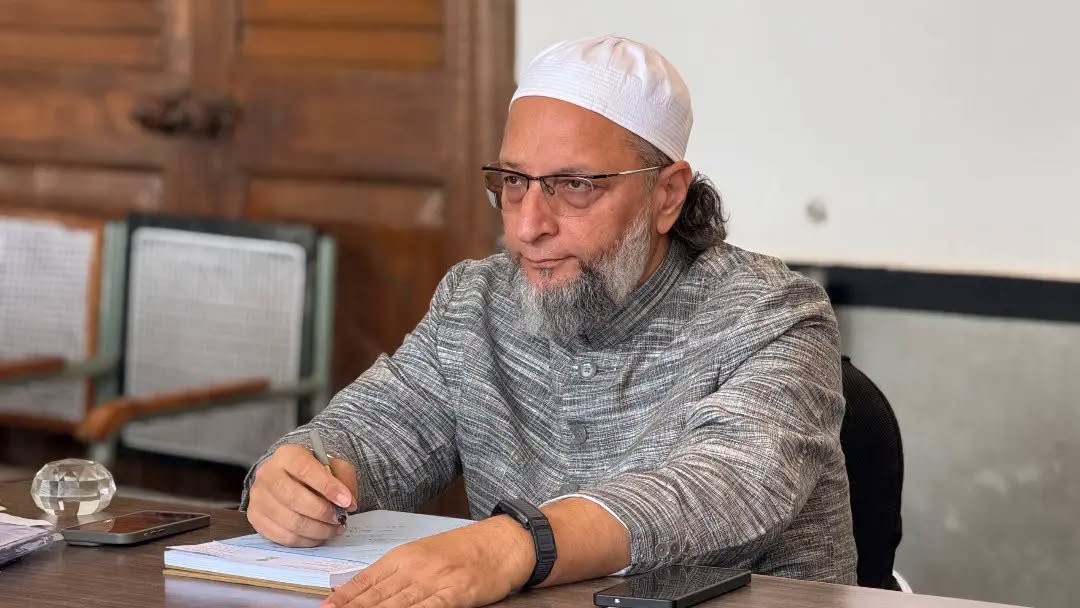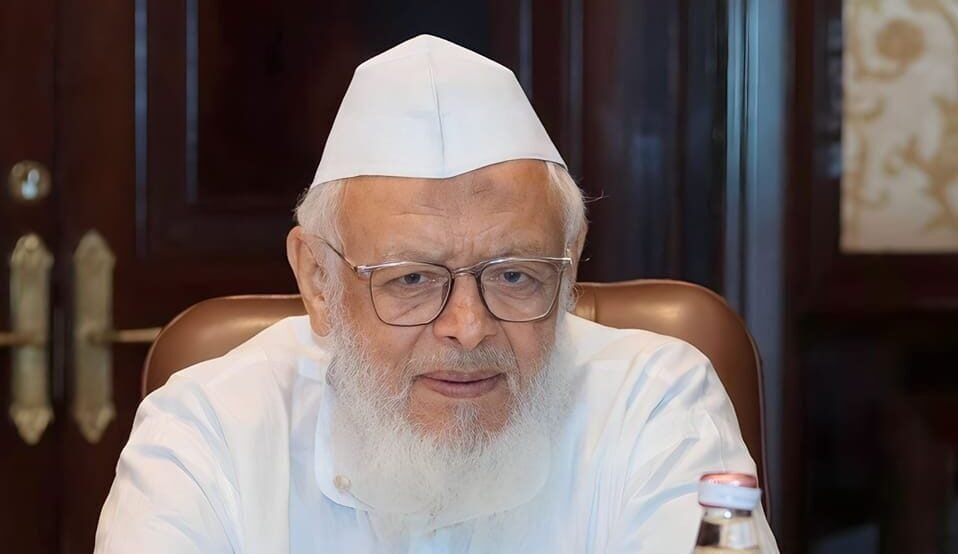
Jamiat Ulama-i-Hind (JUH) on Saturday organised a Hindu-Muslim Unity Convention in Lucknow, where religious leaders and public figures called for communal harmony and discussed issues related to rising social polarisation, justice and interfaith relations.
Addressing the gathering, Jamiat president Maulana Arshad Madani said politics based on hatred and religious division was not in the country’s interest and stressed that India’s strength lay in peace, mutual respect and communal harmony.
‘India’s freedom was won through collective sacrifices’
Madani said Muslims and Islamic scholars had played an important role in India’s freedom struggle and that the country’s independence was achieved through the sacrifices of people from all communities.
He said the contribution of any community to the freedom movement should not be overlooked.
Speaking about religious harmony, Madani said different faiths may have different modes of worship but all ultimately emphasise belief in one supreme God. Referring to the expressions “Om Namah Shivaya” and “Allahu Akbar”, he said both reflected the belief that God is supreme.
Questions demolition move against Jauhar University
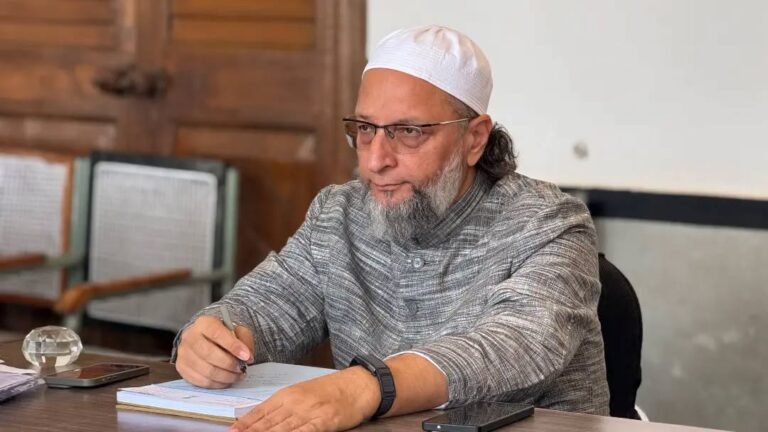
Madani also criticised the proposed demolition of Mohammad Ali Jauhar University in Rampur.
He said that if authorities found any legal or procedural violations in the construction of the university, they could impose penalties in accordance with the law. However, demolishing an educational institution before the legal process was completed would be unjust and would adversely affect thousands of students.
He stressed that any action should be taken strictly within the framework of law and due process.
Calls for constitutional resolution of disputes
Madani alleged that divisive politics was weakening social trust and harming the country’s unity. Referring to the proposal for simultaneous elections, commonly known as “One Nation, One Election”, he described it as a political issue that required wider consultation and serious debate.
On the Gyanvapi mosque dispute, Madani said the matter should be resolved through the judicial process and that the Supreme Court’s final decision should be accepted to bring a lasting resolution to the dispute.

Concluding his address, the Jamiat chief appealed for peace, brotherhood and justice, saying India’s progress depended on people rejecting hatred and strengthening social harmony.