At least 518 migrant workers from Odisha have died while working outside the state and the country in the last five years. The figures were shared in the Assembly on Monday by labour and employees’ state insurance minister Ganesh Ram Singhkhuntia during the final day of the Winter Session. Of these deaths, 239 were reported in the last two years.
The minister said the highest number of deaths, 60, were reported from Kalahandi district. This was followed by 56 deaths in Ganjam, 38 in Balangir, 35 in Nabarangpur, 34 in Kandhamal and 34 in Rayagada. He added that the government has brought back 395 bodies and handed them over to their families.
Large numbers of poor workers from Odisha migrate to states such as Andhra Pradesh, Telangana, Tamil Nadu and Gujarat. They mostly work in brick kilns, textile units and construction sites. Workers from Ganjam often migrate to Surat for jobs in the textile sector, while those from Kendrapara and Jagatsinghpur take up plumbing work in different parts of the country.
Official data shows that 40,088 labourers have migrated to other states. The government has issued licences to 626 labour contractors. Balangir district accounts for the highest number of migrant workers, followed by Nuapada.
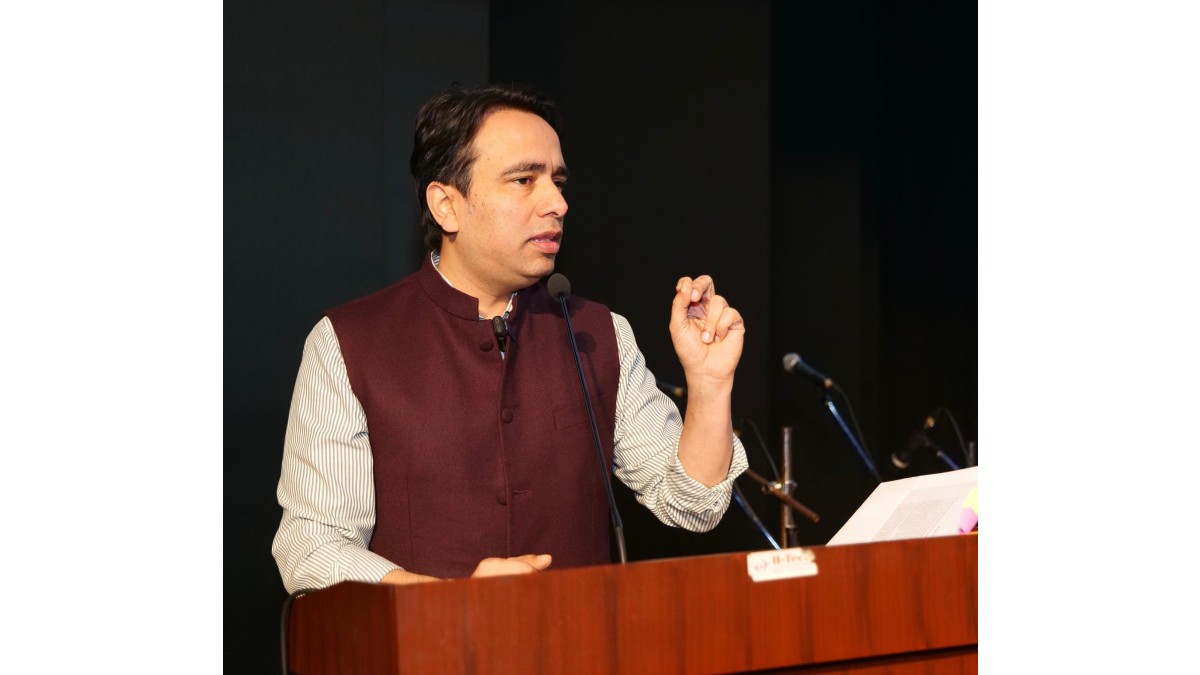
Reacting to the figures, Centre of Indian Trade Unions state president Janardan Pati said that the government has failed migrant workers despite repeated promises. He said tens of thousands leave their homes every year because of lack of jobs and fair wages. He added that more than 500 reported deaths might not reflect the real number, as many cases go unreported.
Pati accused the state’s BJP government of supporting employers and adopting policies that harm workers. He said the new labour codes and changes to the Contract Labour Regulation and Abolition Act would further worsen the lives of migrant and contract labourers. According to him, under the current regime, poor workers are being treated like slaves.
Rights activist Biswa Priya Kanungo said the repeated deaths show the deep vulnerability of Odisha’s migrant workforce. He said migration is driven by debt and distress, and that governments have made hollow claims about solving the issue. He stressed that these workers leave home out of desperation, not by choice.
The state government has formed a committee under deputy chief minister K V Singh Deo to study the problem of distress migration and suggest remedies.