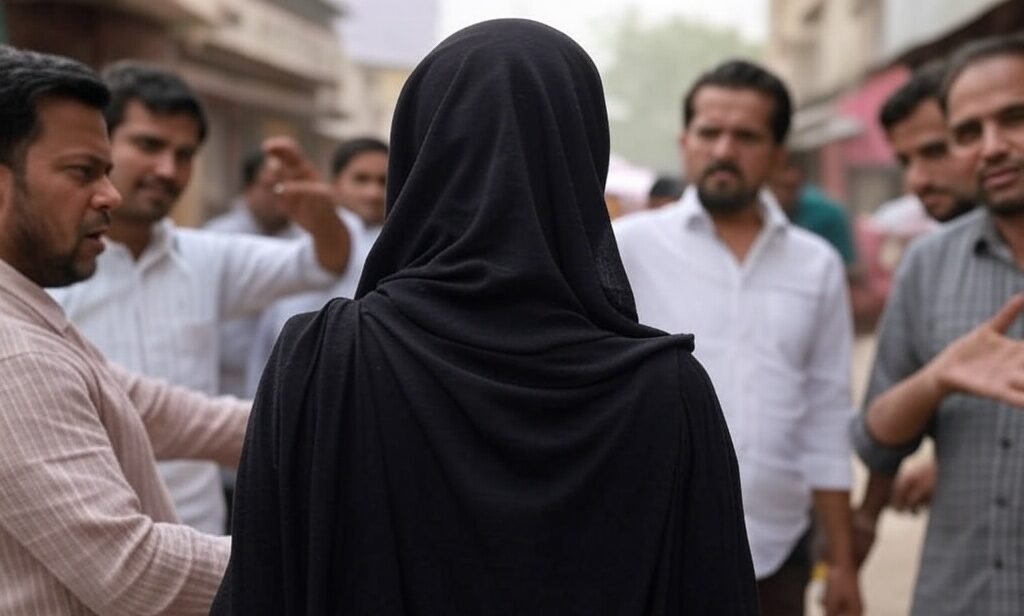
Religious freedom conditions in India remained on a “downward trajectory” in 2026, the US Commission on International Religious Freedom (USCIRF) has claimed in its latest update on the country.
In its updated country brief, the bipartisan US body alleged that the rights of religious minorities continued to face restrictions, citing what it described as the persecution of Muslims, Christians, Sikhs and Dalits, along with restrictions on NGOs, censorship and alleged transnational repression.
The USCIRF also raised concerns over the denial of citizenship and voting rights and the enforcement of anti-conversion and cow slaughter laws, which it said were affecting religious freedom in India and among diaspora communities.
USCIRF Cites Arrests Under Anti-Terror Laws
The commission said Indian authorities continued to detain people for exercising freedom of religion or belief or for advocating the rights of others.
It cited the cases of activists and academics including Umar Khalid, Sharjeel Imam, Jagtar Singh Johal and Ali Khan Mahmudabad, who have faced imprisonment under anti-terror laws.

“In many cases, individuals face arrest, prolonged detention, imprisonment, or other forms of state persecution for peacefully practising their religion, expressing their beliefs, or advocating for the rights of others,” the USCIRF said.
The commission also alleged that Hindu nationalist mob violence against religious minorities remained widespread and was carried out with limited accountability.
“Hindu nationalist mob activity is rampant, and occurs with impunity, with little or no accountability for violent attacks against religious minority communities,” it said.
Concerns Over Internet Shutdowns and Censorship
The USCIRF further accused the Indian government of regularly using internet shutdowns to restrict free speech.
According to the commission, shutdowns have been used to limit discussion of alleged persecution, including social media posts about mob violence and demolitions, as well as appeals for help during communal violence.
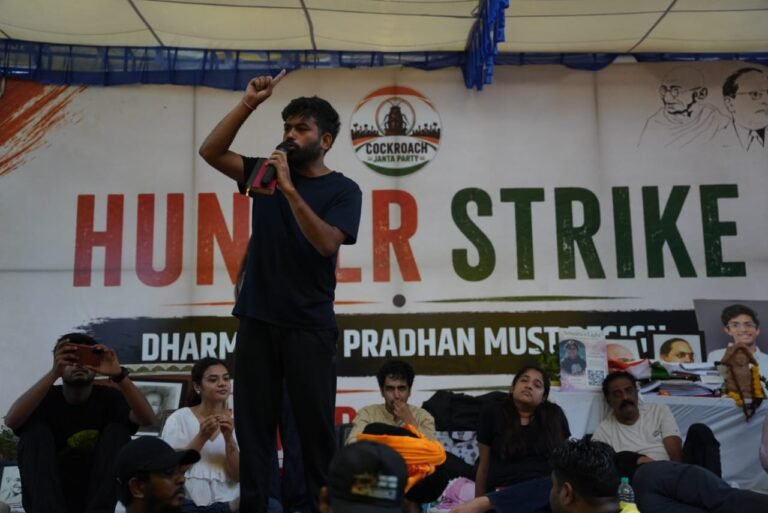
The report also pointed to restrictions on the activities of non-governmental organisations and what it described as increasing censorship.
India Rejects USCIRF Findings
The Indian government has repeatedly rejected USCIRF reports, calling the organisation biased and lacking credibility.
Responding to its findings on August 22, External Affairs Ministry spokesperson Randhir Jaiswal said, “It is a biased organisation.”
“I would say that we should keep away from such organisations as they have their own agenda and lack any credibility,” Jaiswal said.
He added that India did not expect the USCIRF to “engage with the reality of India’s pluralistic framework” or recognise the “harmonious coexistence of its diverse communities.”

The latest USCIRF assessment comes amid continuing international scrutiny of religious freedom and minority rights in India. While the commission has raised concerns over alleged discrimination and state restrictions, the Indian government maintains that such assessments do not reflect the country’s pluralistic character.